
Plants
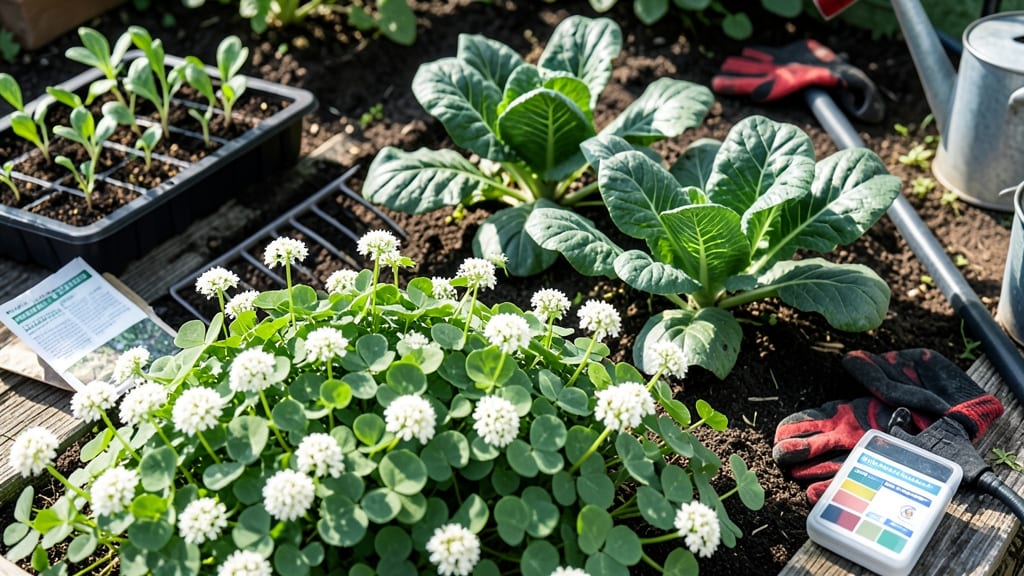
Timing when to plant food plots in Florida perfectly could mean the difference between lush, fast-growing plots and wasted seeds—especially when dealing with the state’s unpredictable weather.
Unlike northern climates, Florida’s year-round growing potential means you can plant almost anytime, but knowing the best windows for each region is the key to success.
If you’ve ever struggled with slow growth or pest problems, it’s likely because you planted at the wrong time. The secret lies in understanding Florida’s microclimates—whether you’re in the Panhandle’s cooler zones or South Florida’s frost-free paradise—and matching crops to the season.
Let’s break down the exact months that guarantee the fastest, most reliable results for your food plots.
From clover to brassicas, each crop thrives during specific windows, and missing them could cost you months of waiting. I’ll show you how to adjust for rain delays, heat spikes, and even hurricane season—so you’re always one step ahead.
Ready to transform your plots into a wildlife magnet in just 3-6 months?
Whether you’re a first-timer or a seasoned hunter, these Florida-specific strategies will help you skip the guesswork. Let’s get your food plots growing faster than ever—no matter where you are in the state.
Florida food plot planting calendar by region (exact months for fastest growth)
Florida’s three distinct regions—North, Central, and South—create unique microclimates that drastically impact food plot success. North Florida (Zones 8a-9a) has cooler winters, while South Florida (Zones 10b-11) rarely sees frost. Central Florida (Zones 9a-10a) sits in between, offering year-round growing potential.
Understanding these differences is key to planting at the optimal time for fast, lush growth and wildlife appeal.
In North Florida, your planting window is tight due to occasional frost risks. Cool-season crops like clover and brassicas thrive from February to April, while warm-season mixes (e.g., sorghum and millet) should go in late May to June. Central Florida extends this window slightly—plant cool-season crops from January to early May and warm-season crops from June to August.
Meanwhile, South Florida can plant year-round, but focus on August to October for warm-season plots and November to February for cool-season varieties.
Timing isn’t just about the calendar—it’s also about soil temperature. For cool-season crops, aim for soil temps between 50°F and 70°F. Warm-season crops need soil temps above 70°F.
Use a soil thermometer to confirm readiness, especially if planting outside the "ideal" months. This small step can mean the difference between thriving plots and stunted growth.
Here’s a quick breakdown of the best planting months by region and crop type:
| Region | Cool-Season Crops (Clover, Brassicas) | Warm-Season Crops (Sorghum, Millet) | Soil Temp Requirement |
|---|---|---|---|
| North Florida (Zones 8a-9a) | February–April | Late May–June | 50°F–70°F (cool) / 70°F+ (warm) |
| Central Florida (Zones 9a-10a) | January–Early May | June–August | 50°F–70°F (cool) / 70°F+ (warm) |
| South Florida (Zones 10b-11) | November–February | August–October | 60°F–85°F (year-round flexibility) |
For North Florida gardeners, March is the sweet spot for cool-season crops like crimson clover and turnips.
These plants germinate quickly in warm soil but tolerate light frosts, giving them a head start before summer heat arrives. Warm-season crops like sorghum-sudangrass should wait until after Memorial Day to avoid heat stress during germination.
In Central Florida, you can push the envelope slightly—plant brassicas as early as January if you’re in a warmer microclimate, like near the coast.
South Florida’s year-round growing potential is a game-changer, but don’t assume you can plant anytime. Hurricane season (June–November) can delay planting or damage young seedlings. August to October is ideal for warm-season plots because it avoids peak storm activity while still providing plenty of rainfall.
For cool-season crops, November to February offers cooler temps and lower humidity, reducing disease pressure on plants like radishes and kale.
Regional adjustments aren’t just about months—they’re also about crop selection. For example, North Florida benefits from hardier clovers like arrowleaf, which tolerates cooler temps better than crimson clover.
Meanwhile, South Florida thrives with warm-season staples like peanut mixes and sunflowers, which deer love but struggle to establish in cooler climates. Central Florida can mix both strategies, planting cool-season crops in winter and warm-season crops in summer for year-round forage.
Pro tip: Use companion planting to extend your food plot’s appeal. Pair fast-growing radishes (ready in 30 days) with slower-maturing clover (ready in 60 days) to ensure deer have consistent food sources.
This technique works especially well in transition months, like April in North Florida or October in South Florida, when one crop might be winding down while another is just getting started.
Finally, don’t overlook soil preparation timing. In Florida, preparing soil 2–4 weeks before planting is critical. For cool-season crops, till in compost or fertilizer by late January (North) or early December (South) to give nutrients time to integrate. For warm-season crops
How to adjust planting timing for Florida’s unpredictable weather patterns
Florida’s weather is as unpredictable as a summer storm—one minute it’s sunny and warm, the next it’s pouring rain or threatening a hurricane. This chaos makes timing your food plots tricky, but with the right adjustments, you can still grow lush plots year-round.
The key is flexibility: knowing when to plant early, when to delay, and how to protect your investment from Mother Nature’s whims.
Start by checking your local hurricane season (June–November) and rainfall patterns. If you’re in South Florida, heavy rains can flood seeds before they sprout, while North Florida might face unexpected cold snaps.
My rule? Always have a backup planting date ready—usually 2–4 weeks after your original plan. This buffer lets you adjust if weather delays soil prep or seed germination.
🌱 Pro Tip: Use a soil thermometer to track temperatures. Most food plot seeds need soil temps between 60–85°F to germinate. If it’s too cold or too hot, wait it out—no amount of patience will outwait Mother Nature.
⚠️ Warning: Hurricane Season (June–November) Risks
- Delay planting if storms are forecasted within 7–10 days—seeds won’t survive flooding.
- Avoid brassicas (like turnips) in South Florida during peak hurricane season—they rot in saturated soil.
- Use raised beds if your land floods easily; they drain faster and reduce seed loss.
Hurricanes don’t just bring rain—they can bury seeds under debris or erode soil, leaving your plot unusable for weeks.
If you’re planting cool-season crops (like clover or ryegrass) in North Florida, time it for late August–September to avoid early frost. But if a cold front sneaks in, cover seeds with straw mulch to insulate them.
For warm-season crops (like sorghum or millet), wait until after April 15—before the brutal summer heat sets in. If temps soar above 90°F, water deeply in the early morning to keep roots cool.
Don’t forget soil preparation is just as critical as planting timing. In clay-heavy soils (common in Central Florida), till in compost or sand 2–4 weeks before planting to improve drainage. For sandy soils (like those in the Panhandle), mix in organic matter to retain moisture.
Test your soil’s pH (6.0–7.0 ideal) and adjust with lime or sulfur if needed—acidic or alkaline soil slows growth and invites pests.
Finally, keep an eye on pest pressure. Florida’s humidity loves fungal diseases and insects. If you notice yellowing leaves or chewed seedlings, act fast with neem oil or row covers.
And if a freeze warning pops up (yes, even in Florida!), drape frost cloth over tender crops like brassicas. A little extra effort now saves hours of frustration later.
With these adjustments, you’ll turn Florida’s unpredictable weather into an advantage—your food plots will thrive even when the forecast is wild. 🌧️☀️