
Trees
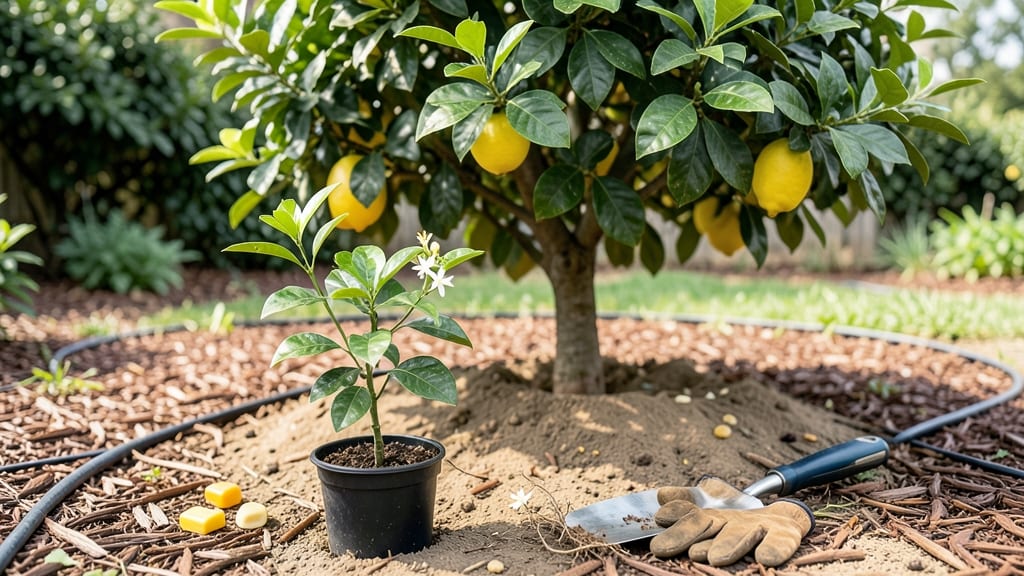
Planting a 🍊 citrus tree in Central Florida seems straightforward—until you realize timing can make or break your tree’s survival. The wrong month means struggling roots, stunted growth, or even outright failure, especially in Florida’s subtropical swings between humidity and heat.
Here’s the game-changer: the fastest root establishment happens when you plant between late winter and early spring, avoiding summer’s brutal heat and winter’s rare (but possible) cold snaps.
I’ll break down exactly why these months work best and how to prep your soil for success—so your citrus tree doesn’t just survive, but thrives from day one.
You might think year-round planting is fine since Florida rarely freezes, but summer’s intense sun and drought stress young roots before they can take hold. Let’s cut through the guesswork and focus on the best window to give your citrus tree the head start it deserves.
Whether you’re planting in-ground or in containers, I’ll share the critical steps to ensure your tree’s roots grow strong and deep—so you’re harvesting juicy fruit in no time. Ready to get started?
Optimal planting months for citrus trees in Central Florida’s climate zones
Central Florida’s frost-free climate (USDA Zone 9b) means you can plant citrus trees year-round—but timing still matters for root establishment and survival. The ideal window is September through November, when temperatures are mild and rainfall is consistent.
This period lets roots grow before summer’s intense heat or winter’s occasional cold snaps.
Citrus trees thrive when soil temperatures stay between 60°F and 85°F. Planting in late summer or fall ensures roots establish before summer’s drought stress or winter’s rare 28°F freezes. For container-grown trees, this window also reduces transplant shock, as they won’t face extreme heat right after planting.
Here’s how microclimates in Central Florida (e.g., Orlando vs. Tampa) shift optimal timing slightly. Coastal areas like Tampa can plant as late as December, while inland Orlando benefits from an earlier September start to avoid summer’s peak humidity and fungal risks.
🌱
| Planting Window | Best For | Risks | Soil Temp |
|---|---|---|---|
| September–November | Root establishment | Minimal (mild temps) | 60°F–85°F |
| December–January | Dwarf varieties | Cold snaps (rare) | 55°F–70°F |
| February–March | Bare-root trees | Spring drought | 70°F–80°F |
| Avoid June–August (extreme heat, hurricane season) | |||
Avoid planting in June through August, when Central Florida’s temperatures often exceed 90°F. Young citrus roots struggle to establish in dry, compacted soil, and hurricane season (June–November) adds wind and flood risks. If you must plant in summer, use shade cloth and drip irrigation to protect roots.
For container-grown citrus, the best months are September or October. Potted trees need consistent moisture, and summer’s heat dries soil 3x faster. Use well-draining pots (at least 15 gallons) and mulch to retain moisture. Move containers to partial shade during peak afternoon heat.
🪴
Citrus varieties like grapefruit and lemon trees tolerate cooler temps better than oranges or limes. If you’re in a higher-elevation microclimate (e.g., Lake County), opt for early September planting to avoid even marginal frost risks (below 30°F).
Always check your local Florida Climate Center for recent weather patterns before planting.
After planting, focus on deep watering (15–20 gallons per tree) and mulching with pine bark or wood chips. This keeps roots cool and retains moisture, critical for the first 30–60 days of growth. Avoid fertilizing for 6–8 weeks post-planting to let roots recover from transplant shock.
☀️
Optimal planting months for citrus trees in Central Florida’s climate zones
Central Florida’s frost-free climate (USDA Zone 9b-10a) means you can plant citrus trees year-round, but timing still matters. The ideal window is September through November, when soil temperatures stay warm but summer heatwaves taper off.
This gives roots 6-8 weeks to establish before winter’s mild chill sets in.
For container-grown citrus, you can plant anytime, but spring (March-April) is a close second. The key is avoiding peak summer heat (June-August), when young roots struggle to absorb water and nutrients efficiently. Even Florida’s humidity can stress newly planted trees during these months.
Here’s how microclimates in Central Florida affect planting timing:
| Zone/Region | Best Planting Window | Soil Temp Threshold | Risks to Avoid |
|---|---|---|---|
| Orlando (Zone 9b) | September–November | 60–75°F (ideal for root growth) | Hurricane season (June–Nov) |
| Tampa (Zone 10a) | Year-round (best: Dec–Feb) | 65–80°F (warmer soils year-round) | Summer drought stress |
| Lake County (Zone 9a) | October–December | 55–70°F (cooler nights) | Late frost risk (rare but possible) |
If you plant in late winter (January-February), citrus trees benefit from Florida’s dry, cooler months, which reduce fungal diseases and pests. However, avoid planting in December if heavy rains are forecasted—soggy soil can suffocate roots. For container citrus, transplant when soil is slightly dry to minimize shock.
Pro tip: Mulch heavily (3–4 inches of organic mulch) after planting to retain moisture and regulate soil temperature. This is especially critical in sandy soils, common in Central Florida, which dry out quickly. Use pine bark or compost for best results.
Remember: Root establishment takes priority over fruit production in the first year. Prioritize watering deeply 2–3 times per week (not daily light watering) to encourage deep root growth. Your citrus tree’s long-term health depends on these early months.