
Plants
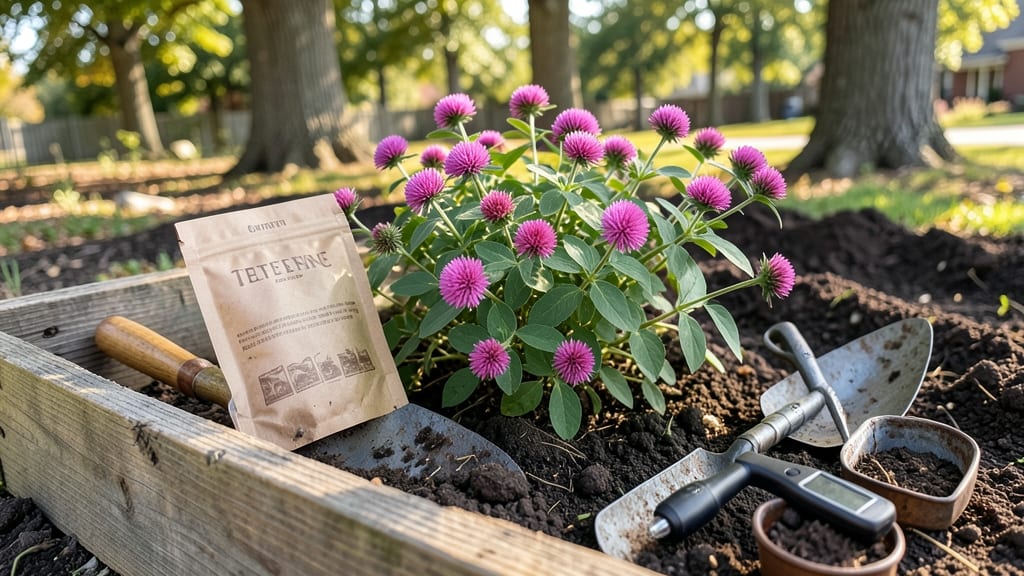
If you're wondering when to plant crimson clover in Tennessee, timing is everything—especially when you're working with the state's varied climate from humid lowlands to cooler mountain regions.
This vibrant 🌸 cover crop thrives in USDA zones 6a-7b, but getting it in the ground too early or too late can mean the difference between lush growth and wasted effort.
Most Tennessee gardeners swear by fall planting between August and October, giving the seeds time to establish roots before winter sets in. But spring planting has its perks too, especially if you're aiming for early-season weed suppression or preparing for summer crops.
The key is understanding how your specific zone's frost dates play into the equation.
I've seen firsthand how a 4-6 week window before the first frost can transform your soil health—whether you're in East Tennessee's cooler valleys or the warmer Middle Tennessee plains.
Let's break down exactly when to plant for maximum success in your area, plus pro tips to ensure your crimson clover takes root like a champion.
From soil prep to weather watch, I'll walk you through everything you need to know to make this cover crop work harder for your Tennessee garden. Ready to unlock healthier soil and fewer weeds? Let's get started.
Optimal planting windows for crimson clover in Tennessee by USDA Zone
Tennessee’s USDA zones 6a-8a create a unique challenge for planting crimson clover—too early, and you risk summer heat stress; too late, and frost cuts germination short.
The ideal window shifts depending on whether you’re in the mountains (Zone 6a) or Midstate (Zone 7a), where frost dates can vary by 3-4 weeks. Let’s break down the best times to plant by region, including soil temperature thresholds and frost risks.
In East Tennessee (Zones 6a-6b), where winters are colder and frost arrives earlier, aim to plant crimson clover between August 15 and September 15. This gives seedlings 4-6 weeks to establish roots before the first frost, typically around October 10-20.
For Middle Tennessee (Zones 7a-7b), extend your window to late August through early October, with frost usually hitting mid-October.
West Tennessee (Zone 8a) gardeners have the most flexibility, with planting possible until early November. However, even here, planting after October 15 risks poor germination due to cooler soil temperatures. Always check your local first frost date—planting 4-6 weeks before ensures success.
Soil temperature is just as critical as air temperature. Crimson clover germinates best in soils between 60°F and 75°F. In Tennessee, this usually aligns with late August through September, but early fall planting often outperforms spring efforts because cooler temperatures reduce weed competition and drought stress.
Spring planting is possible but riskier. If you choose this route, sow seeds as early as February in Zone 8a or March in Zones 6a-7a, but be prepared for late frosts that can damage tender seedlings. Spring-planted clover may also struggle with summer heat unless irrigated consistently.
For high-elevation areas (e.g., Great Smoky Mountains), shift your window 2 weeks earlier—plant by September 1 to avoid early frosts. Conversely, lowland regions like the Mississippi Delta can push planting to mid-October, but monitor soil moisture closely, as clay soils retain heat longer and may dry out.
Pro tip: Use a soil thermometer to confirm temperatures before planting. If soils drop below 60°F, germination slows dramatically. In Zone 6a, this often happens by mid-October, so don’t wait too long.
For Zone 8a, you might extend planting into early November, but seedlings may struggle to establish before winter dormancy.
Always test your soil’s pH before planting—crimson clover thrives in slightly acidic to neutral soil (pH 6.0–7.0). In Tennessee’s limestone-rich regions (common in Middle TN), soil pH can skew alkaline, requiring sulfur or peat moss amendments. Adjusting pH now saves headaches later when clover fails to thrive.
Finally, consider microclimates in your area. A south-facing slope may stay warm enough for late-season planting, while a north-facing valley could freeze earlier. Observe your garden’s patterns for 3 years to refine your planting timeline—this is how Tennessee gardeners master crimson clover success.
Fall vs spring planting: which offers better yield and survival rates?
Choosing between fall and spring planting for crimson clover in Tennessee isn’t just about timing—it’s about survival, yield, and how well it fits into your garden’s rhythm. I’ve seen both methods work brilliantly, but each has trade-offs that depend on your specific USDA zone and local weather quirks.
Fall planting, typically between late August and October, gives crimson cllover a head start. Seeds germinate in warm soil, establish roots before winter, and often bloom earlier the following spring. This method is especially effective in East Tennessee’s cooler zones (6a-7a), where early freezes can be harsh.
Spring planting, on the other hand, offers flexibility for gardeners who missed the fall window or prioritize summer crops. Planting in March or April (after the last frost) lets you control weed competition and aligns with warmer soil temperatures.
However, spring-planted clover may struggle in West Tennessee’s hotter zones (7b-8a) if moisture isn’t consistent.
Here’s the key difference: Fall-planted clover often survives better through winter, while spring-planted clover grows faster but may require more watering during dry spells. Both methods improve soil health, but your choice hinges on your garden’s immediate needs and Tennessee’s unpredictable weather.
Fall Planting
Spring Planting
In my experience, fall planting wins for most Tennessee gardeners because it leverages the state’s cooler winters to establish robust roots. However, if you’re in West Tennessee’s warmer zones, spring planting can be just as effective—especially if you prioritize summer cover crops or quick nitrogen fixation.
One pro tip: If you’re torn, try both methods in small sections of your garden. Compare survival rates and growth patterns to see what works best for your microclimate. Crimson clover is forgiving, but timing still matters—especially when Tennessee’s weather throws curveballs like early freezes or late springs.
Regardless of when you plant, remember that crimson clover’s nitrogen-fixing superpowers will pay off in the long run. The goal isn’t just to plant it right—it’s to set up your soil for future success, whether you’re growing vegetables, flowers, or lawns.