
Plants
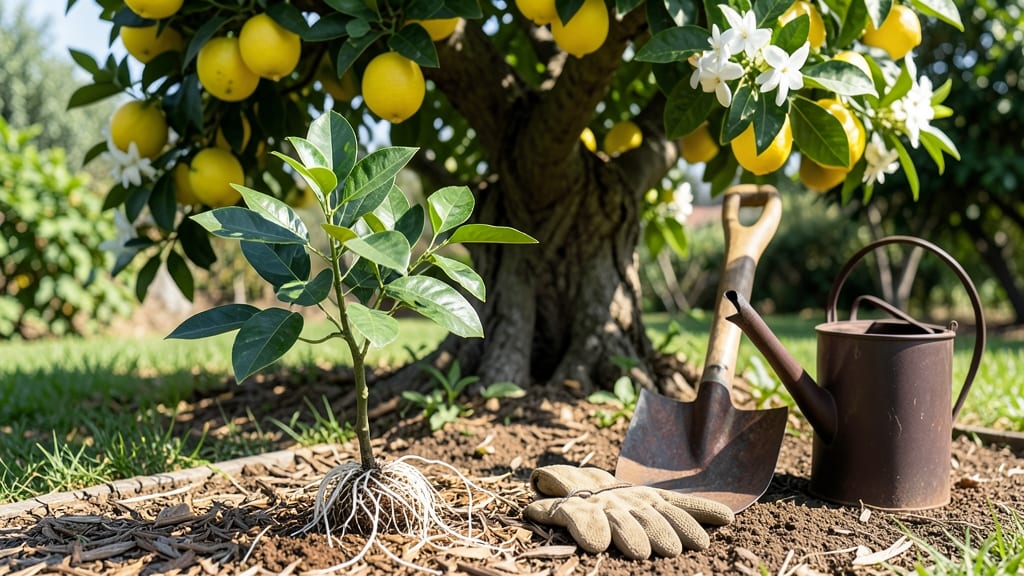
If you’ve ever dreamed of planting citrus in Arizona and harvesting fresh 🍊 from your own backyard but struggled with the state’s unpredictable climate, you’re not alone. Planting at the wrong time can mean wasted effort—or worse, losing your entire tree to unexpected frost or scorching heat.
The key to success lies in understanding Arizona’s microclimates, from the scorching Low Desert to the cooler High Desert regions. Whether you’re in Phoenix or Flagstaff, timing your citrus planting between November and March gives your tree the best shot at thriving year-round.
In this guide, I’ll break down the best months to plant citrus in Arizona by region, so you can avoid common mistakes and set your tree up for success. From soil prep to frost risks, you’ll learn exactly what to do to grow a healthy, productive citrus grove.
Ready to turn your backyard into a year-round fruit oasis? Let’s get started with the optimal planting windows that work for Arizona’s unique growing conditions.
Best months to plant citrus trees in Arizona by climate zone
Arizona’s diverse climate means the best time to plant citrus varies dramatically from the Low Desert to the High Desert. In Phoenix and Tucson, where temperatures soar above 100°F in summer, planting in November through February avoids heat stress.
Meanwhile, Flagstaff and Sedona face earlier frosts, so gardeners there should plant by October to establish roots before winter chill sets in.
Citrus trees thrive in USDA Zone 9b, but Arizona’s microclimates create three distinct planting windows. The Low Desert (Phoenix/Tucson) has the longest window, while the High Desert (Flagstaff/Sedona) must act faster. Coastal areas like Yuma enjoy milder winters, extending the window slightly into March.
Here’s how to match your region to the ideal planting window, including soil prep and frost risk factors:
| Region | Best Planting Window | Soil Prep | Frost Risk |
|---|---|---|---|
| Low Desert (Phoenix/Tucson) | November–February | Amend clay soil with compost; ensure drainage | Low (last frost: Dec 15) |
| High Desert (Flagstaff/Sedona) | September–October | Use well-draining soil; mulch heavily | High (first frost: Jan 15) |
| Coastal (Yuma) | November–March | Sandy soil; add organic matter | Minimal (mild winters) |
For Low Desert gardeners, December and January are the sweet spots—cool temps help roots establish before summer’s brutal heat. In the High Desert, act by October 15 to avoid winter dormancy stress. Coastal areas can stretch planting into early March thanks to their milder climate.
Regardless of region, avoid planting in summer. The 110°F+ heat can scorch young citrus trees, causing leaf drop and root burn. Even potted citrus should wait until temperatures drop below 90°F before transplanting.
Soil prep is critical—citrus hates soggy roots. Amend heavy clay with compost or sand to improve drainage. In the High Desert, mulch with 4–6 inches of wood chips to insulate roots from frost. For Low Desert soils, a 50/50 mix of native soil and compost works best.
Watch for last frost dates in your area. The Low Desert rarely sees frost, but High Desert gardeners should plant 6 weeks before the first frost (typically by October 15). Use frost cloth if planting in late October for added protection.
Timing isn’t just about months—it’s about weather patterns. Plant after the monsoon season (September) to take advantage of natural moisture. In drought-prone areas, water deeply 2–3 times per week for the first month to encourage root growth.
Pro tip: Container-grown citrus (like Meyer lemons) can be planted year-round in the Low Desert, but bare-root trees still need the cooler winter months for best survival. If you must plant in spring or summer, provide afternoon shade for the first 30–45 days.
Remember, citrus trees take 2–3 years to bear fruit, so planting at the right time sets the stage for a lifelong harvest. With Arizona’s climate, patience and precision pay off with juicy, homegrown citrus year after year.
Citrus tree varieties that thrive in Arizona’s heat (and when to plant them)
Arizona’s diverse climate supports a surprising variety of citrus trees, but not all varieties handle the state’s extreme heat and low humidity equally. Choosing the right type—and planting it at the right time—can mean the difference between a thriving tree and one that struggles to survive.
Here are the top 5 citrus varieties that do best in Arizona, along with their ideal planting windows and care tips tailored to our unique microclimates.
For Low Desert regions (Phoenix, Tucson), heat-tolerant varieties like Meyer lemon and Navel orange are the best choices.
In High Desert areas (Flagstaff, Sedona), Satsuma mandarins and Calamondin oranges handle cooler nights better. Coastal areas (Yuma, Tucson outskirts) can even support lime trees, though they need extra protection from wind. Let’s dive into the specifics so you can pick the perfect citrus for your backyard.
When selecting your citrus variety, consider your local frost risks and soil type. For example, Meyer lemons thrive in Phoenix’s clay-heavy soils if amended with compost, while Satsuma mandarins need the cooler High Desert to avoid heat stress.
If you’re in a transitional zone (like Prescott), opt for dwarf varieties like Calamondin—they’re easier to protect from frost and adapt well to potted growing.
Pro tip: Buy bare-root citrus trees in late fall or early winter—they establish faster than container-grown trees. If you’re planting in spring, choose container-grown varieties to avoid transplant shock during peak heat.
And remember, dwarf citrus (like Improved Meyer lemon) are perfect for small yards or container gardening, making them a low-maintenance choice for Arizona’s urban gardeners.
Once planted, mulch heavily (3–4 inches of organic mulch) to retain moisture and regulate soil temperature. This is especially critical in summer, when Arizona’s sun can scorch young roots if the soil isn’t protected.
Pair your new citrus tree with a drip irrigation system to deliver deep, consistent watering—citrus trees hate shallow, frequent watering, which leads to weak roots and poor fruit production.
🌱