
Plants
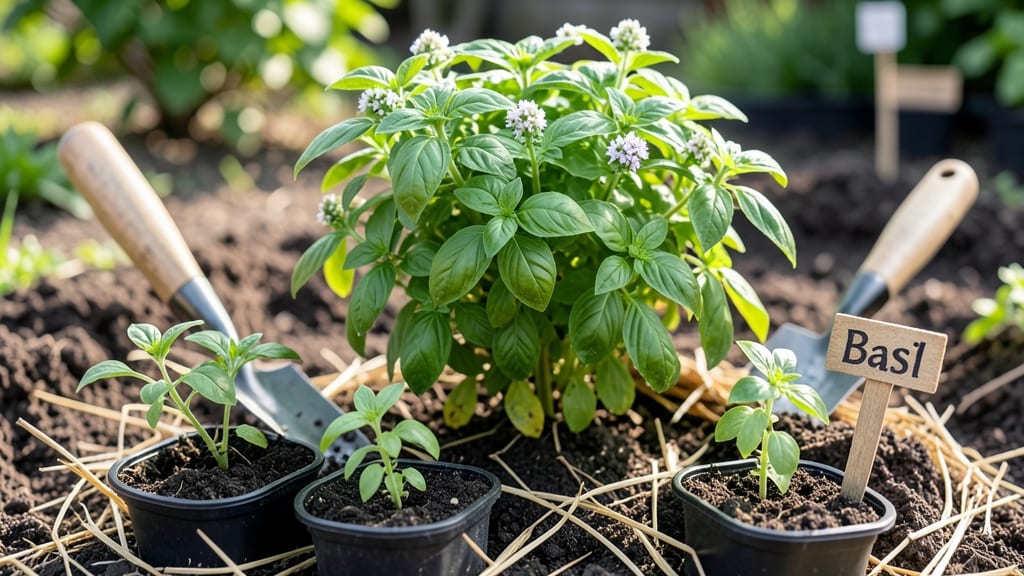
If you've ever planted basil in Georgia only to watch it bolt into bitter flowers before you can even harvest a few leaves, you're not alone.
The key to growing sweet, flavorful basil all season lies in planting it at the perfect time—when the soil is warm enough but the summer heat hasn't yet arrived.
Georgia's 7b-8b climate zones offer two ideal windows for planting basil: early spring and late summer. Whether you're in Atlanta or near the coast, timing matters more than you think.
Plant too early, and frost will nip your tender seedlings. Plant too late, and the heat will send your basil racing toward flowering before you can enjoy those fresh leaves.
I've spent years perfecting my basil-growing routine, and what I'm about to share will help you avoid those common mistakes. From seed-starting dates to transplanting advice, you'll learn exactly when to get your basil in the ground for the best harvests—without the stress of bolting or heat damage.
Let's dive into the secrets of Georgia gardening that will transform your basil from a finicky experiment into a thriving, productive herb garden. Ready to grow basil that tastes as good as it looks?
Optimal planting months for Georgia basil: avoiding bolting and heat stress
Georgia’s USDA zones 7b-8b create a unique challenge for growing basil—too early, and frost zaps tender seedlings; too late, and summer heat triggers bolting (flowering). The sweet spot? March-April for spring and August-September for fall, when temperatures hover between 50°F and 85°F.
This window balances warm soil (essential for germination) with mild air (preventing stress).
Basil hates cold soil—it won’t germinate below 50°F. In Georgia, that means waiting until mid-March (after the last frost date, typically March 15) for spring planting. For fall, aim for late August to give plants time to mature before first frost (usually November 15).
Timing isn’t just about avoiding frost—it’s about flavor and yield. Planting too early in cool spring delays growth, while late spring planting risks heat stress. The result? Bitter leaves and wasted effort. Fall planting offers a second chance for harvests before winter sets in.
Here’s how Georgia’s climate zones affect your timing:
| Planting Window | Key Temperature Threshold | Frost Risk | Best Variety for Zone |
|---|---|---|---|
| Spring: March 15–April 15 | Soil: 50°F+, Air: 60°F–75°F | Low (after last frost) | Genovese, Sweet Basil |
| Fall: August 15–September 15 | Soil: 60°F+, Air: 70°F–80°F | Moderate (first frost Nov 15) | Spicy Globe, Purple Basil |
| Avoid: May–July | Heat: 90°F+ triggers bolting | High (unless shaded) | None (use shade cloth) |
Georgia’s humidity and heat demand extra care. Basil planted in May or June will bolt within weeks unless you provide afternoon shade (use 30–50% shade cloth).
For a continuous harvest, stagger plantings: start with spring basil, then transplant fall seedlings in August. This ensures fresh leaves from June through November.
Pro tip: Test soil temperature with a thermometer before planting. Basil roots need warm soil to thrive—cold soil stunts growth. In northern Georgia (Zone 7b), wait until mid-April; in coastal areas (Zone 8b), you can plant as early as late February if nights stay above 50°F.
Extending the season is easier than you think. Use black plastic mulch in spring to warm soil faster, or row covers in fall to delay frost. For potted basil, move containers to partial shade during peak afternoon heat (1 PM–5 PM).
These tricks keep your basil sweet and productive long after neighbors’ plants bolt.
Remember: Basil’s flavor peaks when grown in cool-to-moderate temps. Plant too late, and you’ll sacrifice aromatic leaves for bitter stems. By following these Georgia-specific windows, you’ll enjoy fresh basil all season—no regrets! 🌿
How to time basil planting for Georgia’s microclimates: from coastal to mountain regions
Georgia’s diverse climate zones—from the humid coastal plains of Savannah to the milder mountain regions near Helen—mean your basil’s perfect planting window depends on where you live.
Coastal areas like Brunswick can plant 2-4 weeks earlier than Atlanta’s Piedmont zone, while the Blue Ridge Mountains may need a later start to avoid late frosts. Understanding these microclimates helps you align planting with soil temperatures and local frost dates for zero-bolt success.
For coastal Georgia (USDA zones 8a-8b), aim to plant basil 2-3 weeks earlier than inland areas. The warmer soil and longer growing season let you start seeds indoors by late February or transplant seedlings by mid-February.
In contrast, mountain regions (USDA zone 7b) should wait until mid-April after the last frost, which often hits April 15 in those areas.
🌿
To extend your growing season in hotter zones, start seeds indoors 6-8 weeks before your last frost date. For example, Atlanta gardeners should begin seeds by mid-January, while coastal gardeners can start as early as late December.
Use grow lights if natural light is limited, ensuring seedlings get 12-14 hours of light daily to prevent leggy growth.
For fall planting, coastal areas can sow seeds as late as early September, while mountain regions should aim for mid-August. Monitor soil temperatures—basil thrives when soil is at least 55°F—and use row covers to protect young plants from unexpected late frosts in October.
In Atlanta, aim to plant fall basil by August 15 to ensure a harvest before the first frost on November 15.
🌡️
Adjust your shade strategies based on your microclimate. Coastal areas may need light shade cloth in June-July to prevent bolting, while mountain regions can handle full sun longer due to cooler temperatures.
Mulch with straw or wood chips to retain moisture and regulate soil temperature, especially in sandy soils common in coastal Georgia. This simple step can mean the difference between sweet, flavorful basil and bitter, bolted plants.