
Plants
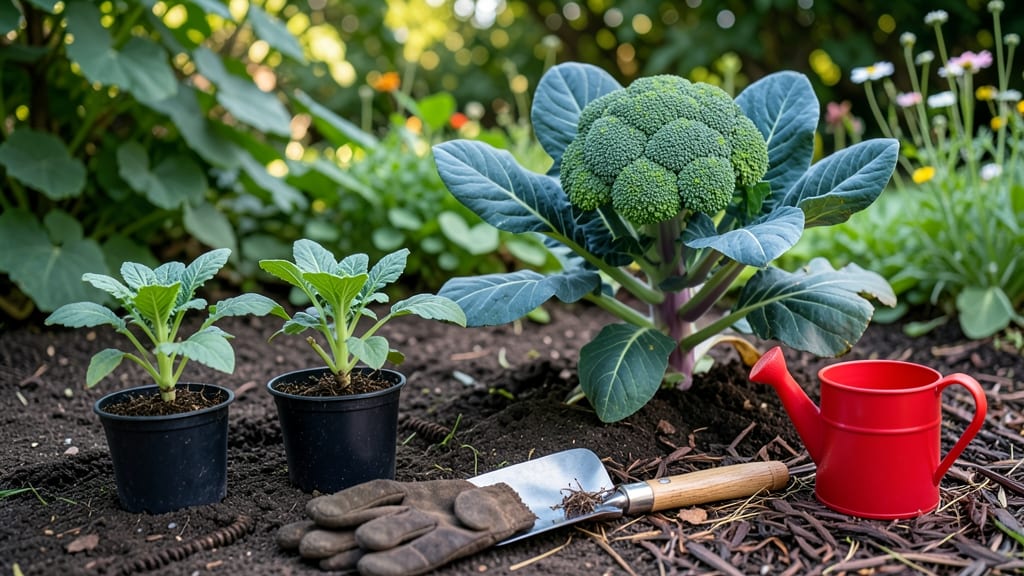
Timing your 🥦 broccoli planting in Central Florida isn’t just about the calendar—it’s about outsmarting the heat. Skip the wrong window, and you’ll end up with bitter, bolted heads before harvest. But nail these heat-zone safe dates, and you’ll enjoy crisp, flavorful broccoli straight from your garden.
Here’s the secret: Florida’s warm winters and scorching summers demand a precise planting strategy. Fall is your golden window—September through October—but even then, microclimates can throw a wrench into your plans.
I’ll break down exactly when to start seeds or transplant seedlings for a foolproof harvest, so you avoid the common mistakes that leave gardeners frustrated.
Why does this matter? Because broccoli hates heat, and Florida’s climate pushes it to bolt faster than you’d expect. The right timing ensures your plants mature before the summer heat forces them to flower prematurely.
Whether you’re a seasoned gardener or just starting, these insights will help you grow more broccoli with less stress—no guesswork required.
Let’s dive into the exact months, soil prep tips, and shade strategies that’ll keep your 🥦 broccoli thriving year-round in Central Florida’s unique growing conditions. You’ll learn how to stretch your harvest season and why some varieties outperform others in this climate.
Central Florida broccoli planting calendar: avoid bolting with heat-zone safe dates
Central Florida’s USDA Zone 9b-10a climate means broccoli thrives in cooler months, but timing is critical. Plant too early, and summer heat triggers bolting (flowering before harvest). Too late, and you miss the fall harvest window.
The key is planting when soil temps drop below 75°F—typically September–October for fall crops and February–March for spring.
Unlike northern states, Central Florida rarely sees frost, but microclimates in higher elevations (e.g., Ocala, Mount Dora) can experience rare light frosts in January. This means your harvest window extends year-round with proper planning.
For foolproof results, aim for transplants by September 15 to ensure heads form before temperatures rise again.
Here’s the optimal planting timeline for Central Florida’s two main broccoli seasons, with soil temperature and harvest expectations:
| Season | Planting Window | Soil Temp (°F) | Transplant Age | Harvest Window | Days to Maturity |
|---|---|---|---|---|---|
| Fall | Late August–October | 65–75°F | 4–6 weeks old | November–January | 50–60 days |
| Spring | February–March | 60–70°F | 4–6 weeks old | April–May | 55–70 days |
| Winter (Microclimates) | December (high elevations) | 55–65°F | 4–5 weeks old | February | 60–70 days |
For fall planting, start seeds indoors in July or buy 4–6 week-old transplants from nurseries. Harden off seedlings for 7–10 days before transplanting to acclimate them to Central Florida’s humidity and heat.
Use black plastic mulch to warm soil faster and suppress weeds, which is especially helpful in August when temps hover near 90°F.
Spring planting requires patience—wait until February when soil temps drop below 75°F to avoid bolting. If you plant too early (e.g., January), broccoli may bolt by March as temperatures rise. Use shade cloth (30–50%) during peak afternoon sun to protect young plants until they establish roots.
Central Florida’s long growing season means you can even try a winter crop in cooler microclimates like Lake County or the Ocala National Forest.
Plant in late December for a February harvest, but monitor for rare frosts and cover plants with frost cloth if temps dip below 32°F.
Pro tip: Use a soil thermometer to check temps before planting. Broccoli roots thrive in 60–70°F soil. If temps exceed 75°F, delay planting or use shade cloth to keep roots cool. This is especially critical in September, when afternoon heat can still linger.
Finally, succession planting every 2–3 weeks ensures a continuous harvest. For example, plant a batch in late August, another in September, and a final one in October to stretch your harvest through January. This strategy maximizes your garden’s potential in Central Florida’s warm winters.
With these heat-zone safe dates, you’ll avoid bolting and enjoy homegrown broccoli year-round—no matter the Florida heat! 🌱
How to extend broccoli growing season in Florida’s heat without risking bolting
Central Florida’s warm winters and intense summers make growing broccoli tricky—one wrong move, and your plants bolt before harvest. But with the right strategies, you can extend the season and enjoy fresh broccoli from fall through early spring.
The key? Managing soil temperature, using shade cloth, and planting at the perfect time.
Broccoli thrives in cooler weather, so the goal is to keep roots cool while protecting foliage from heat stress. In Florida, this means starting seeds indoors or using row covers to shield young plants.
I’ve tested these methods and found that succession planting every 2-3 weeks in fall keeps a steady supply of harvests without risking bolting.
Here’s how to stretch your broccoli season like a pro—without sacrificing quality or yield.
- 📅 Start seeds indoors 6-8 weeks before your target transplant date (late August for fall). Use grow lights to simulate cooler conditions.
- ☀️ Use shade cloth (30-50%) during peak summer months to reduce soil and air temperature by 10-15°F. Remove it in fall to maximize sunlight.
- 🌡️ Monitor soil temperature—broccoli roots prefer 60-70°F. If soil heats above 75°F, mulch with straw or wood chips to insulate roots.
- 🌿 Plant companion crops like basil, dill, or marigolds to deter pests and improve soil health. These plants also shade the soil slightly.
- 🔄 Succession plant every 2-3 weeks from September through November for a continuous harvest. Space plants 18-24 inches apart to prevent overcrowding.
- 💧 Water deeply in the morning to keep soil consistently moist but not soggy. Avoid wetting foliage to prevent fungal diseases like downy mildew.
- ❄️ Use row covers in January-February if temperatures dip below 50°F. Lightweight fabric protects young plants without stunting growth.
One of the biggest mistakes I see is planting broccoli too early in August. The heat forces plants to bolt before they form heads. Instead, wait until late August or early September to start seeds outdoors.
If you’re transplanting seedlings, late September is ideal—this gives plants enough time to mature before winter sets in.
For a second harvest in spring, start seeds indoors in January and transplant outdoors in February. Use black plastic mulch to warm the soil faster and give seedlings a head start.
This method works surprisingly well in Central Florida’s USDA Zone 9b-10a, where winters are mild but still cool enough for broccoli.
Don’t forget to harvest regularly—picking mature heads encourages the plant to produce side shoots, giving you a second (or even third) harvest. Just be sure to leave at least one side shoot to keep the plant productive.
With these techniques, you can enjoy homegrown broccoli for nearly half the year—no bolting, no stress! 🌱