
Trees
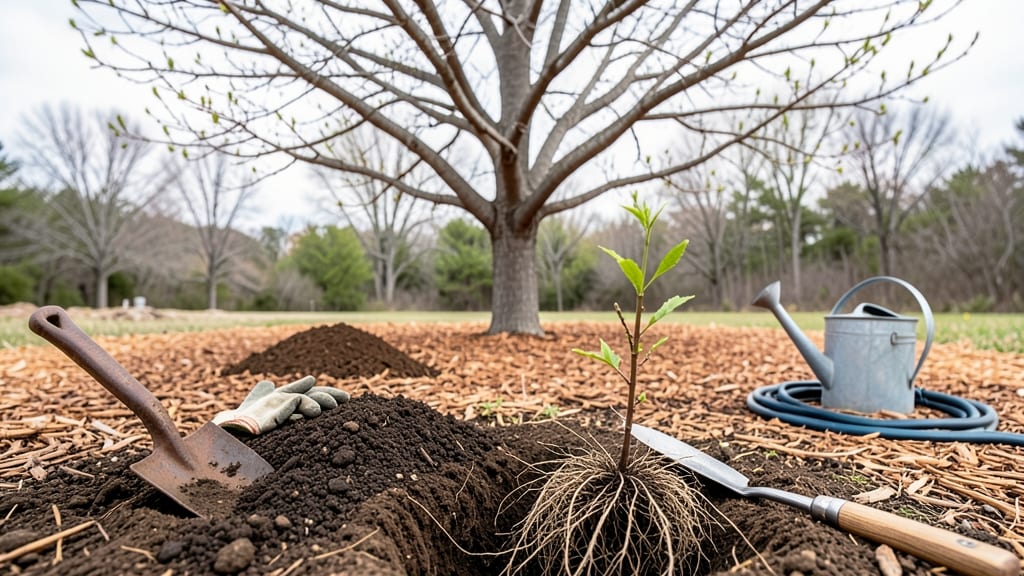
Timing your Dogwood Tree planting in Texas isn't just about picking a season—it's about unlocking the best chance for that stunning 🌳 to thrive in your yard.
Whether you're in the cooler hills of North Texas or the warmer plains of the South, getting it wrong could mean years of struggling growth instead of vibrant spring blooms.
Most gardeners know dogwoods need cool weather to establish roots, but Texas' 7a-10b zones create unique challenges. The ideal window runs from late fall through early spring, but we'll show you exactly how to adjust for your specific region—because what works in Lubbock won't work in Houston.
You'll discover why November-February planting gives your dogwood the competitive edge, how to prepare soil for Texas' heavy clay, and when container-grown trees can actually be planted outside this window. Let's make sure your dogwood doesn't just survive—it becomes the showstopper of your landscape.
From choosing the right variety for your microclimate to post-planting care that prevents transplant shock, we've got the Texas-specific secrets that make all the difference. Your future spring blooms will thank you for paying attention to these details now.
Best planting months for dogwood trees in Texas by region
Texas spans three distinct climate zones, each with unique dogwood planting windows. In North Texas (USDA Zones 7a-8a), like Dallas and Fort Worth, the best time to plant is from November through February, when cooler temperatures reduce transplant shock.
This region’s last frost typically occurs around March 15, giving young trees time to establish roots before summer heat arrives.
For Central Texas (Zones 8a-9a), including Austin and San Antonio, aim for late fall (October-November) or early spring (February-March). The variable climate here means avoiding peak summer heat—dogwoods planted in June or July often struggle due to drought stress.
Central Texas’s first frost usually hits by November 15, so fall planting gives roots a head start.
South Texas (Zones 9a-10b), like Houston and Corpus Christi, offers the most flexibility. You can plant year-round, but November through January is ideal to avoid extreme summer heat. South Texas’s milder winters mean less risk of frost damage, but spring planting (March-April) still works well if you provide consistent watering during dry spells.
🌳
If you’re planting container-grown dogwoods, they adapt better to summer planting than bare-root trees. However, avoid extreme heat—Texas summers can exceed 100°F, which stresses young roots.
For bare-root trees, stick to fall or winter to minimize transplant shock. Always check local frost dates using the Texas A&M AgriLife Extension maps for precise timing.
Microclimates matter too! Urban areas like Dallas or Houston experience heat islands, making spring planting riskier.
If your yard has afternoon shade or drip irrigation, you can push planting to late spring (May), but monitor soil moisture closely. Sandy soils dry out faster, while clay soils retain moisture longer—adjust your watering schedule accordingly.
Pro tip: Acclimate container-grown trees before planting by placing them outside for 1-2 weeks before transplanting. This hardens off the roots and reduces shock. For bare-root trees, soak roots in water for 1-2 hours before planting to revive them.
Both steps significantly improve survival rates in Texas’s variable climate.
💧
Once planted, mulch around the base with 2-3 inches of organic mulch (like pine straw or shredded bark) to retain moisture and regulate soil temperature. In South Texas, mulch helps protect roots from intense summer sun, while in North Texas, it insulates roots during winter freezes.
Just keep mulch 6 inches away from the trunk to prevent rot.
Finally, avoid fertilizing for the first 6-8 weeks after planting—new roots need time to establish without competition. Instead, focus on consistent watering and light pruning of damaged branches. With the right timing and care, your dogwood will thrive and reward you with stunning spring blooms for decades.
Best planting months for dogwood trees in Texas by region
Texas' diverse climate means your dogwood tree's planting window depends heavily on where you live. In North Texas (USDA zones 7a-8a), where winters can dip below 20°F, the ideal window stretches from November through February. This cool period lets roots establish before spring growth begins.
For Central Texas (zones 8a-8b), think October to March. The milder winters here still benefit from planting before the heat of summer, but you've got a bit more flexibility. Meanwhile, South Texas (zones 9a-10b) gardeners should plant between September and February to avoid summer's brutal heat.
Here's the key difference: Northern regions prioritize avoiding winter cold while Southern areas focus on escaping summer heat. Both strategies prevent transplant shock during extreme temperatures.
| Region | USDA Zones | Best Planting Window | Key Consideration |
|---|---|---|---|
| North Texas | 7a-8a | November-February | Avoid winter cold snaps |
| Central Texas | 8a-8b | October-March | Balance cool roots and spring growth |
| South Texas | 9a-10b | September-February | Escape summer heat stress |
Spring planting (March-April) works too, but requires extra watering to help roots establish during Texas' hot, dry months. The trade-off? Spring-planted trees often bloom sooner, giving you that vibrant spring display a year earlier than fall-planted trees.
Pro tip: Check your local first frost date—planting 4-6 weeks before this date gives roots time to establish before winter dormancy sets in. For example, in Austin (zone 8b), aim for planting by mid-November.
Remember that container-grown dogwoods offer more flexibility—they can be planted year-round in Texas, though summer planting requires daily watering and shade protection for the first month. The key is keeping those roots cool and moist during establishment.