
Plants
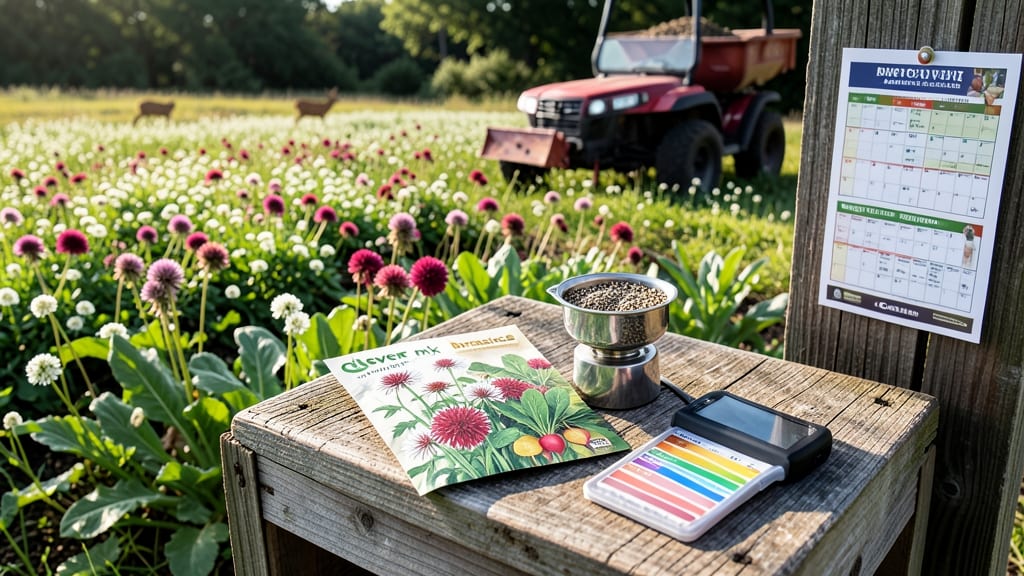
When to plant food plots in Alabama can make or break your whitetail hunting season—get it wrong, and you’ll miss the prime deer feeding window entirely. The difference between a lush, deer-attracting plot and a failed experiment often comes down to when you plant, not just what you plant.
Most hunters assume spring is the only game in town, but Alabama’s climate actually gives you two prime windows—late winter/early spring and late summer/early fall. Each offers unique advantages, from faster germination in cooler months to avoiding summer heat stress.
I’ll break down the exact months that work best for your region, so you can align your planting schedule with deer behavior.
You’ll also discover how to prep your soil for maximum success, which crops thrive in Alabama’s heat and humidity, and how to keep your plots lush year-round.
Whether you’re a first-time planter or a seasoned pro, these insights will help you create a food source that deer can’t resist—and keep them coming back all season.
The key isn’t just throwing seeds in the ground—it’s understanding the perfect timing for your specific zone. Let’s get started with the planting schedule that’ll turn your property into a whitetail magnet.
Optimal planting windows for Alabama food plots by season
Alabama’s USDA Zones 7b-8a offer two prime windows for planting food plots: spring and fall. Timing matters because deer activity peaks during rutting season (October-November), so fall plots align perfectly with their feeding habits. Spring planting, however, gives you a head start for summer browse.
For spring planting, aim for February through early April—before the last frost (March 15 in most of Alabama). Soil temperatures should reach 50°F+ at 4 inches deep to ensure germination. In North Alabama (Zone 7b), wait until mid-March to avoid frost damage.
Fall planting is equally critical. Seed August through mid-September to establish roots before winter. By October-November, your plot will provide high-protein forage when deer need it most. Southern Alabama (Zone 8a) can extend planting to early October.
Summer planting is possible but riskier. If you must plant in summer, choose heat-tolerant crops like sorghum-sudangrass and seed in late June or July. These crops grow quickly and provide shade, reducing soil moisture loss.
Always check soil moisture levels before planting. Alabama’s humid climate means summer droughts can stress young seedlings. A soil moisture meter helps avoid overwatering or underwatering—critical for seedling survival.
Pro tip: Use a planting calendar to track frost dates and soil temps. Many Alabama counties offer local agricultural extensions with up-to-date planting guides tailored to microclimates.
After planting, monitor plot growth weekly. Alabama’s summer heat can cause bolt-stage crops to mature too quickly, reducing forage quality. If you notice plants flowering prematurely, consider oversowing with fast-growing annuals like buckwheat or turnips.
Fall-planted plots benefit from natural frost hardening in late October. This process makes plants more palatable to deer and tougher against winter weather. In Zone 8a (Southern Alabama), some plots may remain green year-round with proper care.
For year-round success, rotate crops annually. For example, plant clover in spring and brassicas in fall. This strategy ensures continuous forage availability while preventing soil depletion.
Always test your soil before planting. Alabama’s red clay soils often need lime or sulfur to adjust pH to the ideal 6.0-6.5 range. A simple soil test kit costs under $20 and saves you from wasted seed investments.
Optimal planting windows for Alabama food plots by season
Alabama’s USDA Zones 7b-8a offer two prime windows for planting food plots: spring and fall. These seasons align with deer activity patterns and soil conditions, ensuring your plots thrive when whitetails are most active.
Timing is critical—plant too early, and frost may damage seedlings; too late, and your plot won’t mature before hunting season.
Spring planting typically starts in late February to early March, right after the last average frost date (March 15 in most of Alabama). This gives plants 90-120 days of growth before summer heat sets in.
Fall planting, however, is often more reliable for deer hunters, as cooler temps and peak rut activity (October-November) create irresistible forage opportunities.
🌱
📋 Alabama Food Plot Planting Timeline
| Season | Best Planting Month | Soil Temp Threshold | Deer Activity Peak |
|---|---|---|---|
| Spring | February-March | 50°F+ (consistently) | Pre-rut (April-May) |
| Summer | Avoid (heat stress) | N/A | Low (deer seek shade) |
| Fall | August-September | 60°F+ (night temps) | Rut (October-November) |
💡 Pro Tip: Test soil temperature with a soil thermometer before planting—spring plots need 50°F+, while fall plots thrive at 60°F+ nightly.
For spring plantings, prioritize fast-growing crops like clover or brassicas to establish cover before summer. In fall, focus on chicory or sorghum, which handle cooler temps and provide late-season nutrition. Both windows require 6-8 weeks of growth before peak deer activity, so plan accordingly.
Regional variations matter in Alabama. Northern Alabama (Zone 7b) has later frost dates, while Southern Alabama (Zone 8a) can plant earlier. Always check your local average last frost date—delay planting if late frosts linger, as tender seedlings won’t survive.
🌿
After planting, monitor soil moisture and weed competition closely. Spring plots may need daily watering during dry spells, while fall plots benefit from deep, infrequent watering to encourage deep root growth. Mulching with straw or wood chips helps retain moisture and suppress weeds, giving your food plot the competitive edge.