
Planting
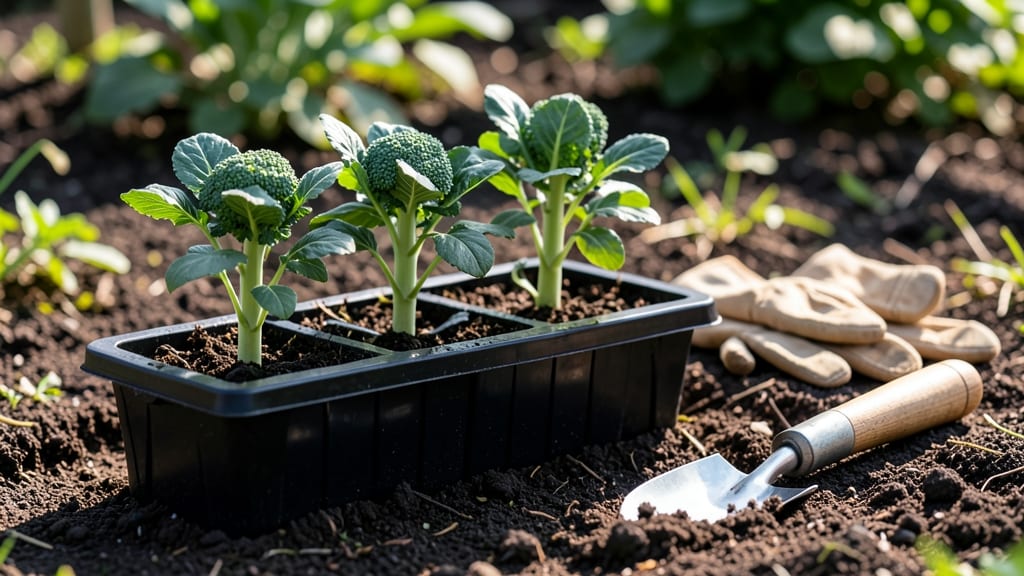
Knowing when to plant a fall garden in Zone 7 can mean the difference between a thriving harvest and wasted effort. With the right timing, you'll enjoy fresh veggies long after summer's over—but get it wrong, and frost will ruin your hard work before you even taste the rewards.
Fall gardening in Zone 7 is all about working with the clock, not against it. Most gardeners here plant between August and early October, but the exact window depends on your last frost date and what you're growing.
The key is starting 6-8 weeks before frost to give plants enough time to mature before winter sets in.
I've tested these methods in my own garden, and the results speak for themselves: faster growth, bigger yields, and fewer surprises when cold weather rolls in. Whether you're a seasoned gardener or just starting, this guide will help you plant with confidence and avoid common mistakes that stall progress.
Let's break down the exact planting schedule, soil prep secrets, and season-extending tricks that will keep your 🌱 fall garden producing well into December—no guesswork required.
Zone 7 fall planting timeline: exact weeks before last frost for key vegetables
In Zone 7, fall gardens thrive when planted at the right time—typically 6 to 8 weeks before your first frost. For most of Zone 7, this means starting between late August and early September.
The key is balancing warm soil and cooling temperatures to avoid bolting or frost damage.
Your first frost date in Zone 7 usually lands around November 15, but urban areas may frost earlier. Cool-season crops like kale, carrots, and spinach need this window to mature before winter sets in. Plant too early, and they’ll bolt; too late, and frost ruins them.
Here’s the breakdown for hardy vs. semi-hardy crops—knowing the difference saves your harvest:
| Variety | Planting Window | Notes |
|---|---|---|
| Hardy Crops | Late August–Mid-September | Survive light frost; plant 8 weeks before first frost. |
| Kale | August 15–September 15 | Sweetens after frost; tolerates 20°F. |
| Spinach | September 1–October 1 | Bolt-resistant; harvest before 32°F. |
| Carrots | July 15–August 31 | Slow to germinate in heat; soil must stay warm. |
| Semi-Hardy Crops | Mid-September–Early October | Need 6 weeks before frost; protect with row covers. |
| Broccoli | September 1–15 | Transplant 4-week-old starts; harvest before heads loosen. |
| Lettuce | August 20–September 20 | Succession plant every 2 weeks for continuous harvest. |
| Radishes | September 1–October 10 | Fastest grower; ready in 25–30 days. |
Direct-sow seeds like carrots and radishes early (late July–August) for a head start, but transplant starts like broccoli and cabbage 4–6 weeks before your target frost date. For example, if your frost date is November 15, transplant broccoli by October 1.
Pro tip: Use row covers to extend your window by 2–3 weeks for semi-hardy crops. Just remove them during the day to avoid overheating. For hardy crops, mulch with straw to protect roots during early frosts.
Missed the boat? Don’t despair—succession planting works in fall too! Sow fast-growing crops like radishes or lettuce every 10–14 days until October 1 for a staggered harvest. This ensures you’re always picking fresh produce.
Watch for bolting in heat-loving crops like spinach or lettuce if summer lingers. If temps stay above 80°F for weeks, opt for shade cloth or move seedlings to a partial-shade spot. Bolting turns bitter leaves unusable!
For flowers, plant pansies or calendula in late August for fall color. These beauties handle light frosts and add pollinators to your garden until winter. Pair them with hardy herbs like parsley or cilantro for a dual-purpose bed.
Remember: Soil temperature matters just as much as air temperature. Use a soil thermometer—ideal temps for fall planting are 60–70°F. If
How to calculate your last frost date and adjust planting for Zone 7’s microclimates
Zone 7’s fall planting success hinges on knowing your exact last frost date—not just the average. While most Zone 7 gardens experience their first frost around November 15, local variations can shift this by 2-3 weeks.
Urban areas often frost earlier than rural spots due to the "urban heat island" effect, while higher elevations may see frost 10-14 days sooner.
Start by checking the USDA Plant Hardiness Zone Map for your precise location. Then, cross-reference with your local Cooperative Extension Service (e.g., Virginia Tech for Virginia gardeners) for hyper-local data. For example, Roanoke, VA typically sees frost by November 1, while Charlottesville, VA holds off until November 15-20.
Adjust your planting timeline by 6-8 weeks before your last frost date. For instance, if your frost date is November 1, aim to plant by September 15 for most cool-season crops.
Hardy varieties like kale and spinach can handle lighter frosts, while tender lettuce should be sown 4-6 weeks before frost.
Microclimates play a huge role. South-facing slopes stay warmer and can support later plantings, while low-lying areas or north-facing gardens may need row covers to extend the season.
Test your microclimate by planting a frost-sensitive crop like radishes in late August—if they thrive until October, your site is likely 2 weeks later than the average.
For urban gardeners, concrete and pavement can create "frost pockets" that freeze earlier. If you’re in a city, consider planting heat-tolerant varieties like Swiss chard or collard greens, which handle cooler soils better.
Rural gardeners, meanwhile, can push the envelope with cold frames or low tunnels to add 2-4 weeks of growing time.
Pro tip: Use a frost calendar app like Old Farmer’s Almanac or PlantMap to track real-time data. Input your ZIP code, then subtract 6-8 weeks to pinpoint your ideal transplant date. For seed-starting, add 4-6 weeks to account for germination time.
Remember, soil temperature matters more than air temperature. Use a soil thermometer to ensure seeds won’t rot in warm soil. Ideal soil temps for fall planting range from 45°F to 75°F, depending on the crop.
If your soil stays above 80°F in September, wait until nighttime temps drop before sowing.