
Plants
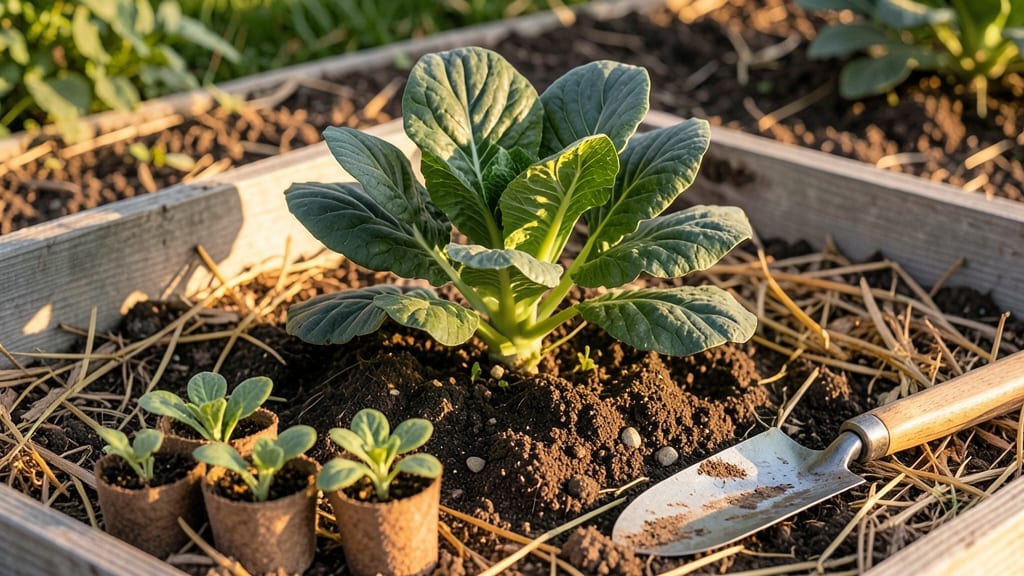
Planting collard greens in Tennessee at the wrong time can leave you with bitter leaves or stunted growth—but timing it just right unlocks a bounty of tender, flavorful harvests all winter long.
These hardy greens 🥬 actually thrive in Tennessee’s mild winters, making them a gardener’s secret weapon for year-round fresh produce.
Most gardeners in USDA zones 6a-7b focus on two perfect windows: late summer (August-September) for a fall harvest or early spring (March-April) to beat the first frost. The key is planting 4-6 weeks before your first frost date—typically around November 15—so your collards mature before cold sets in.
Here’s what you’ll discover: the exact frost-free timeline for your region, how to extend your harvest season with simple tricks, and common mistakes that kill collard plants before they even get started.
Whether you’re a first-time gardener or a seasoned pro, these insights will help you grow collards that taste sweeter after a light frost.
Ready to turn your Tennessee garden into a collard green powerhouse? Let’s dive into the planting schedule that guarantees success—no guesswork, just flavorful leaves from fall through spring.
Best planting windows for collard greens in Tennessee’s USDA Zones 6a-7b
Tennessee’s USDA Zones 6a-7b create perfect conditions for growing collard greens, but timing is everything. These cold-hardy greens thrive when planted 4-6 weeks before the first frost or 2-3 weeks after the last frost.
In Tennessee, that means two ideal windows: early spring (March-April) and late summer/early fall (August-September). Planting outside these windows can lead to bolting (premature flowering) or stunted growth.
Collards love Tennessee’s mild winters, making them a fantastic choice for fall and winter harvests. The key is avoiding extreme heat stress (above 85°F) or early frost damage.
For example, in East Tennessee (Zone 6a), where winters are cooler, you can plant as early as late February for a spring harvest or mid-August for fall. Meanwhile, Middle Tennessee (Zone 7a-7b) gardeners can push planting to early April or late September without risking frost.
Here’s the golden rule: Aim for soil temperatures between 50-85°F for optimal germination. In Tennessee, soil warms up quickly in spring, so don’t wait too long after the last frost. Use a soil thermometer to check—if it’s below 50°F, hold off until conditions improve.
For fall plantings, August is your best bet to ensure a harvest before the first frost hits in mid-November.
| Planting Window | USDA Zone 6a (East TN) | USDA Zone 7a-7b (Middle TN) | Key Notes |
|---|---|---|---|
| Early Spring | Late February - Early April | Early March - Mid-April | Plant after last frost; harvest before summer heat. |
| Late Summer/Early Fall | Mid-August - Early September | Late August - Mid-September | Ideal for fall/winter harvest; avoid planting too late. |
| Soil Temperature | 50-85°F | 50-85°F | Use a thermometer; wait if soil is too cold. |
| First Frost Risk | Mid-November | Late November | Plant 4-6 weeks before frost for harvest. |
If you’re in West Tennessee (Zone 7b), where summers are hotter and winters milder, focus on late August plantings to avoid the brutal summer heat. The goal is to give collards enough time to mature before temperatures dip below 20°F, which can damage the plants.
For example, the Vates variety is a great choice for Tennessee—it’s heat-tolerant and cold-hardy, making it perfect for both spring and fall plantings.
Pro tip: Start seeds indoors 4-6 weeks before transplanting to get a head start. Tennessee’s short growing season means every day counts! Use biodegradable pots to avoid disturbing roots when moving seedlings outdoors.
Harden off seedlings by placing them outside for 2-3 hours daily for a week before transplanting. This helps them adjust to Tennessee’s variable weather patterns, from sudden heatwaves to unexpected cold snaps.
For succession planting, sow new seeds every 2-3 weeks in late summer to ensure a continuous harvest. This works especially well in Middle Tennessee (Zone 7a-7b), where the growing season is longer.
By staggering plantings, you’ll have fresh collards from early fall through winter, even after the first frost. Just remember: collards taste sweeter after a light frost, so don’t rush to harvest!
One common mistake Tennessee gardeners make is planting collards too late in spring, which leads to bolting (flowering) before harvest. To avoid this, stick to the early spring window (March-April) or late summer (August-September).
Another tip: Choose a sunny, well-draining spot with at least 6 hours of sunlight daily. In Tennessee’s humid climate, good airflow is crucial to prevent diseases like downy mildew.
Finally, don’t forget to mulch around your collard plants with straw or shredded leaves to retain moisture and regulate soil temperature. This is especially important in Tennessee’s hot summers and cold winters.
Mulch also suppresses weeds, giving your collards the competitive edge they need to thrive. With the right timing and care, you’ll enjoy a bountiful harvest of tender, flavorful collards all season long!
Best planting windows for collard greens in Tennessee’s USDA Zones 6a-7b
Tennessee’s USDA Zones 6a-7b offer two prime windows for planting collard greens: early spring and late summer. These periods align with soil temperatures and frost patterns to ensure strong germination and growth.
In Zone 6a, where winters are colder, focus on late summer planting for a fall harvest, while Zone 7b gardeners can extend into early spring for a winter harvest.
For a fall harvest, plant collards 4-6 weeks before the first frost, typically between August and early September. This timing allows leaves to mature before cold weather sweetens their flavor.
In contrast, spring planting should occur 2-3 weeks after the last frost, usually in March or early April, to avoid frost damage to young seedlings.
Soil temperature is critical—collard seeds need soil temps above 50°F (10°C) to germinate. Use a soil thermometer to confirm readiness, especially in East Tennessee’s cooler microclimates. If planting in April, wait until nighttime temperatures stay above 40°F (4°C) consistently.
| Zone | Best Planting Window | Harvest Window | Key Temperature Threshold |
|---|---|---|---|
| 6a (East TN) | Late Aug–Early Sept | Oct–Dec | Soil >50°F (10°C) |
| 7a (Middle TN) | Early Sept–Mid-Sept | Nov–Jan | Night temps >40°F (4°C) |
| 7b (West TN) | Late Aug–Oct | Sept–Feb | Soil >55°F (13°C) |
| Spring (All Zones) | March–Early April | May–June | Last frost passed |
In West Tennessee (Zone 7b), where winters are milder, you can push planting into early October for a harvest through winter. However, avoid planting after September 15th in East Tennessee (Zone 6a), as seedlings may struggle to mature before frost.
For container gardening, extend your window by 2-3 weeks earlier, as pots warm faster in spring.
Always check local frost dates using the Tennessee State Climatology Office or Almanac’s Frost Calculator. For example, Nashville (Zone 7a) typically sees its last frost around March 15, while Chattanooga (Zone 6b) may wait until April 1.
Adjust your planting schedule accordingly to avoid frost damage to young plants.
Pro tip: If you’re unsure about timing, opt for transplants instead of seeds. Transplants are hardier and can handle cooler soil temperatures, giving you a 2-week buffer for planting. Just ensure they’re 1-2 inches tall before transplanting to reduce shock.