
Planting
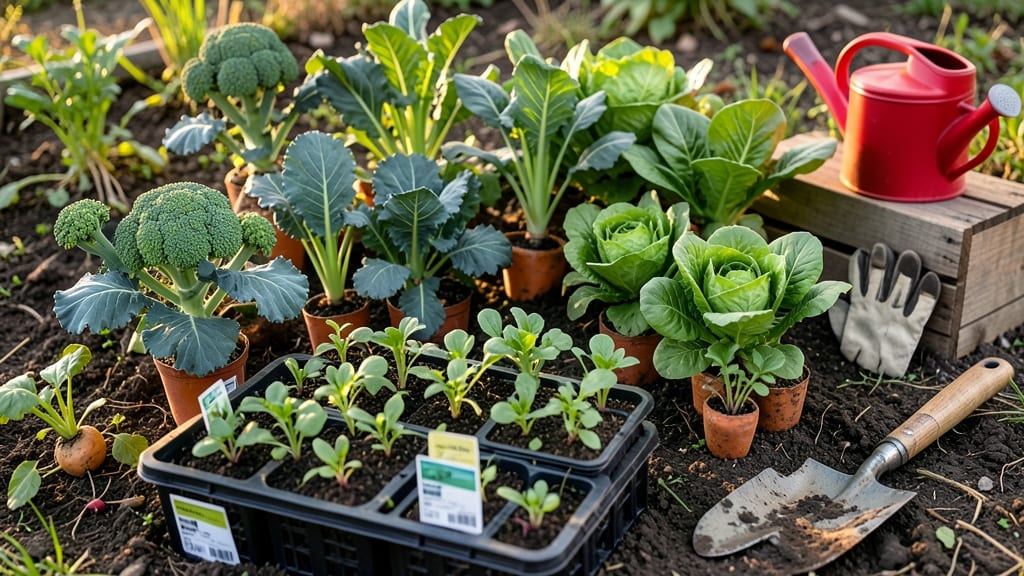
Planting your fall garden in Texas at the wrong time can mean the difference between a bountiful harvest and wasted effort—especially when scorching August heat or early December frost is lurking.
The key? Starting mid-August to early October, when soil temperatures drop and days grow shorter, giving your 🥬 crops the perfect conditions to thrive before winter arrives.
Texas’s diverse USDA Zones 8a-10b mean your planting window isn’t one-size-fits-all—North Texas gardeners have just weeks to act before frost, while South Texas has a little more breathing room.
But no matter where you’re growing, timing is everything: plant too early, and your greens bolt in the heat; too late, and you’ll miss the sweet spot for root crops like carrots and beets.
I’ll break down the exact month-by-month schedule tailored to your region, plus the best crops to plant for a harvest that lasts from October through December. Whether you’re a first-time gardener or a seasoned pro, these insights will help you avoid common mistakes and maximize your garden’s potential—without the guesswork.
Ready to turn your backyard into a fall harvest goldmine? Let’s dive into the strategies that’ll keep your garden flourishing, even as Texas temperatures take their seasonal plunge.
Texas heat-Zone planting calendar for fall gardens
Texas’s diverse USDA Hardiness Zones 7a-10a create unique challenges for fall planting. In North Texas (Zones 7a-8a), your last frost typically arrives by December 15, while South Texas (Zones 9a-10a) may see frost as late as February 1.
This means your planting window varies dramatically—8 weeks in the Panhandle vs. 12+ weeks in the Rio Grande Valley.
For a successful fall garden, aim to plant 6-8 weeks before your first frost date. This gives cool-season crops like broccoli, kale, and carrots enough time to mature before temperatures drop.
In Zone 8a (Dallas/Fort Worth), that means starting by mid-August, while Zone 10a (Houston/San Antonio) gardeners can plant until late October.
Soil temperature is your #1 guide. Cool-season crops thrive when soil temps drop below 85°F. Use a soil thermometer to confirm readiness—ideal temps for planting are 60-75°F. In Texas, this usually aligns with late August to early September in most regions.
Here’s how to match your heat zone to planting windows:
| USDA Zone | Region | First Frost Date | Ideal Planting Window | Key Crops |
|---|---|---|---|---|
| 7a-8a | North Texas (Amarillo, Lubbock) | Dec 15 - Jan 1 | Mid-August - Early Sept | Broccoli, Kale, Spinach, Carrots |
| 8b-9a | Central Texas (Austin, San Antonio) | Dec 1 - Dec 15 | Late August - Mid-October | Lettuce, Radishes, Brussels Sprouts, Collards |
| 9b-10a | South Texas (Houston, Corpus Christi) | Jan 15 - Feb 1 | Early September - Late October | Peas, Turnips, Mustard Greens, Arugula |
Pro tip: Succession planting is your secret weapon in Texas’s unpredictable climate. For example, plant radishes (30-day harvest) in early September for a quick crop, then follow with kale (60-day harvest) in mid-October. This keeps your garden productive until frost.
Watch for soil moisture—Texas’s dry air can dry out seeds faster than you think. After planting, mulch heavily with straw or shredded leaves to retain moisture and moderate soil temps. This is especially critical in West Texas (Zones 7b-8a), where evaporation rates are highest.
Don’t forget heat-tolerant varieties like ‘Heat-Tolerant’ Lettuce or ‘Southern Curly Kale’. These can handle 90°F+ soil temps better than standard varieties, giving you a 2-3 week head start in regions like Zone 9a.
Finally, monitor weather forecasts for early cold snaps. In North Texas, a 28°F night in November can devastate unprotected plants. Use row covers or cold frames to buy time for late-season crops like spinach or peas.
With this zone-specific calendar, you’ll avoid the two biggest fall gardening mistakes in Texas: planting too early (heat stress) or planting too late (frost damage). 🌱
Best fall crops for Texas gardens by planting month
Choosing the right fall crops for Texas means balancing heat tolerance and frost readiness. August’s scorching temps limit options, but September and October open doors for cool-season powerhouses like broccoli, spinach, and carrots. Let’s break down the best month-by-month plantings to maximize your harvest before winter.
For August planting, focus on heat-loving varieties that can handle Texas’s lingering summer heat. Think okra, sweet potatoes, and black-eyed peas, which thrive in 90°F+ soil. These crops buy you time until cooler weather arrives, ensuring a smooth transition to fall favorites.
| Month | Best Crops | Notes |
|---|---|---|
| August | Okra, Sweet Potatoes, Black-Eyed Peas, Malabar Spinach | Heat-tolerant; plant before 95°F soil. |
| September | Broccoli, Kale, Carrots, Lettuce, Radishes, Turnips | Cool-season stars; sow 4-6 weeks before frost. |
| October | Brussels Sprouts, Cabbage, Spinach, Peas, Garlic, Onions | Slow growers; plant 8-10 weeks before frost. |
September is the golden month for Texas fall gardens. This is when cool-season crops like broccoli and kale shine.
Aim to plant these 4-6 weeks before your area’s first frost—typically mid-to-late September for North Texas and early October for South Texas. Succession planting every 2 weeks ensures a steady harvest of leafy greens and root vegetables.
October shifts focus to longer-season crops like Brussels sprouts and cabbage, which need 8-10 weeks to mature. These hardy plants can handle light frosts, making them ideal for extending your harvest into November or December.
Don’t forget garlic and onions, which plant in fall for a spring harvest.
Pro tip: Use shade cloth for August plantings to protect young seedlings from intense afternoon sun. For September and October, prioritize well-draining soil and mulch heavily to retain moisture as temperatures dip. A little extra care now means a bountiful fall harvest before winter sets in.
Texas’s microclimates play a huge role—gardeners in South Texas (Zones 9-10) can push planting later, while those in North Texas (Zones 7-8) should start earlier. Always check your local frost dates and adjust accordingly for zero-frost success. 🌱