
Companion Plants
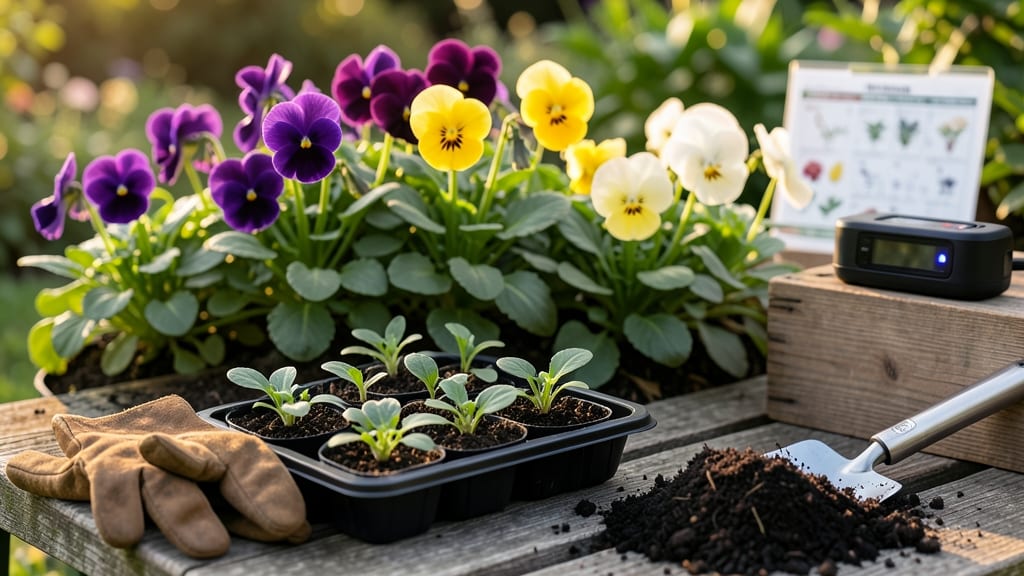
If you're dreaming of vibrant 🌸 pansies brightening your Northeast garden, when can I plant pansies in the northeast is the first question to answer—and getting it wrong could mean wilted flowers before they even bloom.
The key to success lies in understanding your USDA zone's frost patterns, because planting these cool-loving flowers too early or late can turn your colorful vision into a sad, frost-damaged mess.
Here's the secret: pansies actually prefer cooler weather, which makes them perfect for the Northeast's spring and fall seasons.
Whether you're in Zone 5 or Zone 7, knowing when to plant—typically between late August and early September for fall blooms or March to April for spring color—can mean the difference between a stunning garden and a disappointing one.
I'll walk you through the exact planting windows for your specific zone, including how to extend your pansy season and avoid common timing mistakes that even experienced gardeners make. By the end, you'll know exactly when to get those pansy plants in the ground for maximum beauty and resilience.
Ready to transform your garden into a year-round display of cheerful blooms? Let's dive into the frost-free timeline that will have your pansies thriving from spring through fall.
Northeast pansy planting calendar by USDA Zone (with frost dates)
Timing is everything when planting pansies in the Northeast, where USDA Zones 3-8 experience dramatic seasonal shifts. These cool-loving flowers can handle light frosts but wilt if planted too early or too late. Here’s your zone-specific guide to planting pansies for vibrant blooms all season.
Most Northeast gardeners aim for two planting windows: late summer/early fall (for spring blooms) and early spring (for summer color). The key is avoiding frost damage while giving roots time to establish before extreme heat or cold. Let’s break it down by zone.
🌱 Did You Know? Pansies planted in fall often outperform spring plantings because they establish roots before winter and bloom earlier in spring. This is especially true in colder zones like Zone 3-4.
| USDA Zone | Last Frost Date | First Frost Date | Fall Planting Window | Spring Planting Window |
|---|---|---|---|---|
| Zone 3 | May 15 | October 1 | August 15 - September 15 | April 1 - May 1 |
| Zone 4 | May 1 | October 10 | August 1 - September 15 | March 20 - April 15 |
| Zone 5 | April 15 | October 15 | August 15 - September 30 | March 1 - April 10 |
| Zone 6 | April 1 | November 1 | September 1 - October 15 | February 20 - March 30 |
| Zone 7 | March 15 | November 15 | September 15 - October 30 | February 1 - March 20 |
| Zone 8 | February 28 | December 1 | October 1 - November 15 | January 15 - March 1 |
For example, if you’re in Zone 5, aim to plant pansies between August 15 and September 30 for fall color or March 1 to April 10 for spring blooms. These windows give your pansies time to establish roots before winter or summer heat arrives.
In warmer zones (6-8), you can push the fall planting later into October, but avoid planting after the first frost. The goal is to have 6-8 weeks of growth before winter dormancy begins.
Pro tip: Use row covers or mulch to protect young plants if late frosts threaten. A 3-inch layer of straw can make all the difference in preserving tender new growth.
For container gardening, adjust your timing by 2-3 weeks earlier since pots dry out faster and roots establish more slowly. Move containers to sheltered spots if frost is forecasted.
🌿 Remember, pansies are perennial in Zones 3-8, meaning they’ll return year after year if given the right conditions. Proper timing now sets you up for low-maintenance blooms for seasons to come.
How to extend your pansy season: fall vs. spring planting strategies
Planting pansies in the Northeast isn’t just about timing—it’s about strategy. While many gardeners focus on spring planting, fall planting often yields better results because pansies establish roots before winter and bloom earlier in spring.
I’ve found that fall-planted pansies in Zone 5 can start flowering as early as April, giving you months of color before summer heat sets in.
For spring planting, aim for March to early April—just as the soil warms but before late frosts hit. In Zone 7, this might mean waiting until mid-April to avoid frost damage.
The key is to match your planting window to your last average frost date, which varies by just a few weeks across the Northeast.
Here’s the trade-off: Spring planting gives you summer blooms, while fall planting delivers earlier spring color. I recommend trying both to see what works best in your microclimate.
For example, urban areas with heat islands might benefit more from fall planting, while rural gardens with cooler nights could handle spring planting earlier.
Fall Planting
- ✅ Earlier spring blooms (April)
- ✅ Established roots survive winter better
- ✅ Longer blooming season in cool weather
- ❌ Risk of winter dieback in harsh zones (Zone 3-4)
Spring Planting
- ✅ Summer color when other flowers fade
- ✅ Less frost risk for young plants
- ✅ Better for heat-tolerant varieties
- ❌ Shorter blooming season before summer heat
To extend your pansy season, I swear by mulching—a 2-3 inch layer of straw or shredded leaves keeps roots insulated from temperature swings. In my Zone 6 garden, this trick lets pansies survive winters with minimal damage and bounce back stronger in spring.
For extra protection, use frost blankets on young plants during unexpected late frosts.
Soil prep is another game-changer. Amend your beds with compost before planting to improve drainage, which pansies despise when their roots sit in soggy soil. I mix in a 5-10-5 fertilizer at planting time to give them a nutrient boost for root establishment.
This small effort pays off with bigger blooms and healthier plants.
Pro tip: If you’re in Zone 3 or 4, stick to fall planting and choose hardy varieties like 'Cool Wave' or 'Matrix'. These cold-tolerant pansies handle 20°F temperatures without flinching.
For warmer zones (Zone 7-8), you can experiment with both seasons or even successive plantings every 4-6 weeks for continuous color.