
Plants
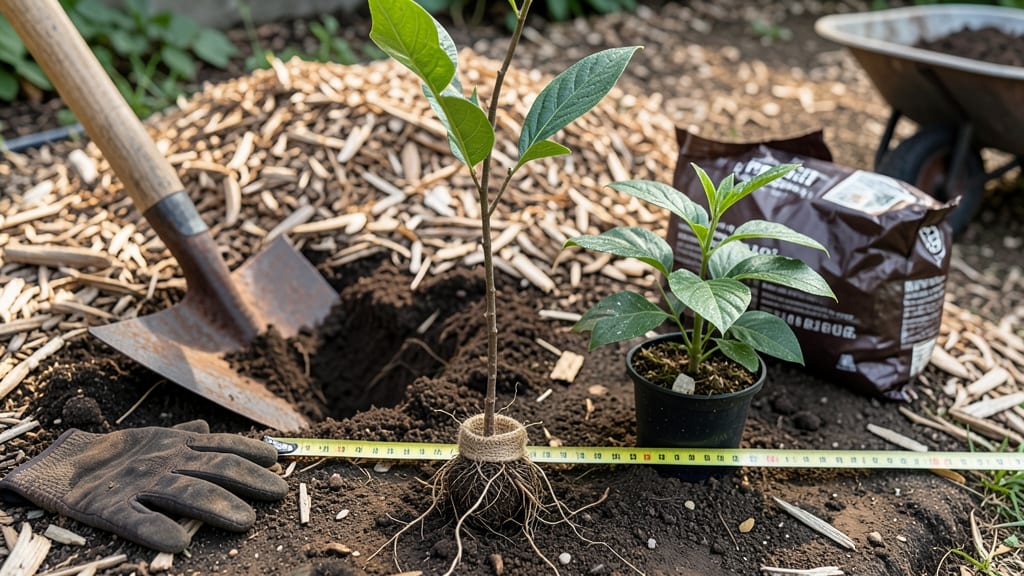
Knowing when to plant crepe myrtle in NC can make or break your tree's success—because timing isn't just about months, it's about avoiding those sneaky late frosts that could kill young roots before they even get a chance to thrive.
In North Carolina's 6b-8a zones, the difference between a 3-foot sapling and a 20-foot showstopper often comes down to planting in the right window.
Most gardeners assume spring is the only option, but fall planting actually gives crepe myrtles 🌸 a head start by letting roots establish before winter's chill sets in. The key?
Planting 4-6 weeks before your first frost—typically between late September and early November—or waiting until soil warms up after the last frost in March or April.
Here's the game-changer: North Carolina's varied climate means your exact planting window depends on whether you're in the cooler 6b zone (where frosts linger) or the milder 8a areas (where you might even squeeze in a late spring planting).
I'll break down the exact months for each zone so you can plant with confidence.
Ready to transform your yard with vibrant blooms? Let's dive into the perfect planting schedule—plus pro tips to give your crepe myrtle the best possible start in NC's ever-changing weather. Your future shade tree will thank you!
Best planting months for crepe myrtle in NC by hardiness zone
North Carolina’s USDA hardiness zones 6b-8a create a 60-day window for planting crepe myrtle, but timing varies dramatically between zones. In zone 6b (western NC), you’ll plant 2-3 weeks earlier than in zone 8a (coastal areas). The key is ensuring soil temperatures stay above 60°F for root growth.
For most of NC, the ideal planting window falls between late February and early May, but zone-specific adjustments are critical. Coastal areas (zone 8a) can start as early as mid-February, while higher elevations (zone 6b) should wait until mid-April to avoid frost damage.
Here’s how to align your planting with NC’s last frost dates and soil conditions for maximum success:
| USDA Zone | Last Frost Date | Ideal Planting Window | Soil Temp Threshold | Key Consideration |
|---|---|---|---|---|
| 6b (Asheville, Boone) | Mid-April | April 15–May 15 | 60°F+ consistently | Wait for 3 consecutive days above 60°F |
| 7a (Raleigh, Greensboro) | Early April | March 20–April 30 | 55°F+ consistently | Monitor nighttime temps—avoid below 40°F |
| 7b (Charlotte, Fayetteville) | Late March | March 1–April 15 | 50°F+ consistently | Use mulch to retain heat in early spring |
| 8a (Wilmington, Outer Banks) | Mid-February | February 15–March 31 | 45°F+ consistently | Watch for coastal humidity—plant in afternoon to reduce stress |
While spring planting is ideal, fall planting (September-October) works in zones 7a-8a if you plant 4-6 weeks before first frost. This gives roots time to establish before winter dormancy. However, avoid fall planting in zone 6b, where early frosts can damage tender roots.
For container-grown crepe myrtles, you can plant year-round in zones 7b-8a, but spring remains best for bare-root varieties. The root flare (where roots meet trunk) should sit 1-2 inches above soil level—this prevents suffocation and promotes airflow.
NC’s unpredictable spring weather means even the best-laid plans can go awry. Always have a backup planting date ready—typically 2 weeks after your zone’s last frost date. Use a soil thermometer ($15 at garden centers) to confirm temperatures meet the 60°F threshold before planting.
Pro tip: If you miss the spring window, container-growing lets you plant in summer (June-July) in zones 7a-8a. Just keep the root ball moist and provide daily shade for the first 2 weeks to reduce transplant shock.
Remember, crepe myrtles thrive on full sun (6+ hours daily), so choose a location with minimal shade competition. In zone 8a’s humid summers, afternoon shade can actually increase bloom production by reducing stress.
🌸
Signs your crepe myrtle planting timing is perfect (or wrong)
Planting your crepe myrtle at the right time in North Carolina isn't just about checking the calendar—it's about reading your soil and climate cues. The perfect timing means your tree will establish roots quickly and bloom like crazy by summer.
But how do you know you've got it right? Look for these key indicators that your planting window is ideal—or that you've missed the boat.
First, the soil temperature should be consistently above 60°F (15°C) at a depth of 6 inches. Use a soil thermometer to check—if it's cooler, wait. Cold soil slows root growth, leaving your crepe myrtle vulnerable to stress.
Another telltale sign? The ground isn't frozen and there's no risk of frost in the forecast for at least 2-3 weeks after planting.
⚠️ Warning: Planting Too Early
If you plant when soil temps are below 50°F (10°C), roots won't establish. Signs of early planting failure:
- Yellowing leaves (nutrient uptake fails in cold soil)
- Stunted growth (roots stay small, tree struggles to support foliage)
- Wilting despite watering (roots can't absorb moisture efficiently) Fix it: Wait until soil warms or mulch heavily to insulate roots.
On the flip side, planting too late in spring means your crepe myrtle won't have enough time to root before summer heat sets in. Look for new leaf growth on your tree—if it's already pushing buds when you plant, you're likely too late for that season.
Another red flag? The tree's leaves are already partially open when you buy it, meaning it's been sitting too long in a nursery pot.
For fall planting, aim for 4-6 weeks before your first frost (usually late September to early November in NC). The perfect fall-planted tree will show fresh, green leaves when you buy it—this means it's actively growing roots.
Avoid trees with brown or crispy leaves, as they've likely been stressed by heat or drought before hitting your yard.
Pro tip: Check the root flare of your crepe myrtle at planting. If roots are circling tightly in the pot, it's a sign the tree was overcrowded and may struggle to establish.
Gently loosen roots before planting to encourage outward growth. A healthy root system will have white, fibrous roots—if they're dark or mushy, the tree may have been waterlogged.
Finally, watch the weather forecast for the week after planting. If heavy rains are predicted, delay until conditions dry out—waterlogged soil can suffocate new roots. The ideal week for planting has warm days, cool nights, and minimal rain.
With these signs in mind, you'll know exactly when your crepe myrtle is ready to thrive in NC's ever-changing climate. 🌿