
Flowers
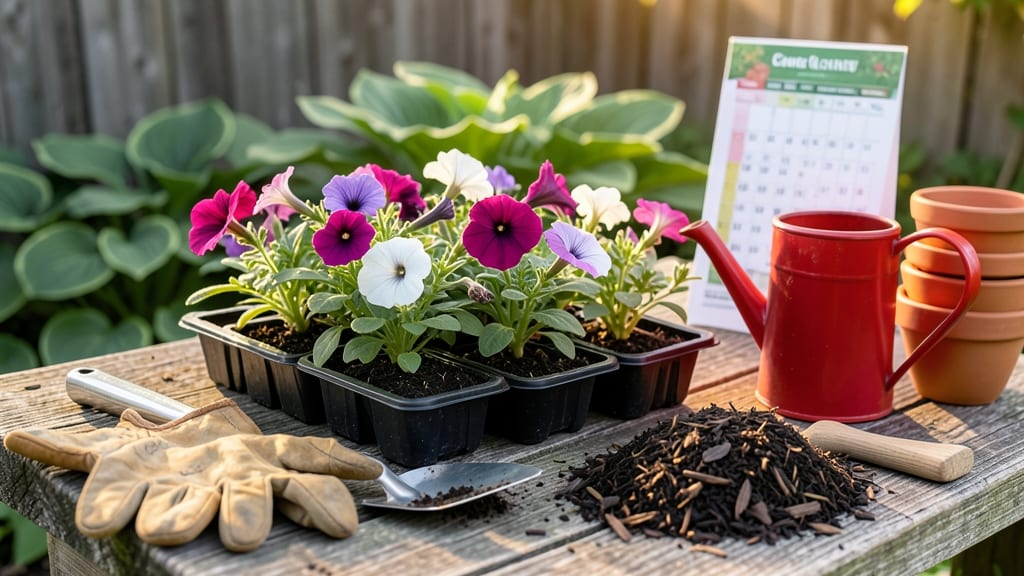
Timing your flowers planting in Ohio isn’t just about luck—it’s about knowing when to act. Miss the window by even a week, and your vibrant blooms might never reach their full potential.
With Ohio’s 6a zone and unpredictable frost dates, getting the timing right means the difference between a thriving garden and a disappointing one.
Most gardeners in Ohio plant their 🌸 flowers in spring, but the exact moment depends on whether you’re starting from seeds or transplanting. For annuals like petunias or marigolds, aim for April 15 or after the last frost—typically mid-April in most of the state.
But perennials and bulbs have their own ideal planting times, too.
If you’re eager to get a head start, fall planting is perfect for bulbs like tulips and daffodils. Just make sure to get them in the ground 4-6 weeks before the first frost, usually by mid-October. This gives them time to establish roots before winter sets in.
Ready to transform your garden? I’ll walk you through the best planting schedule for Ohio’s climate, so you can enjoy bold blooms all season long—without the guesswork.
Ohio flower planting schedule by frost Zone (exact months for peak blooms)
Ohio’s USDA frost zones 5a-6b mean your planting timeline depends on whether you’re in northwest Ohio (colder) or southeast Ohio (warmer). The Ohio State University Extension tracks last frost dates between April 15 (Zone 5a) and May 1 (Zone 6b), so plan accordingly.
For annuals, wait until soil warms to 60°F—a must for tender varieties like marigolds and petunias.
Perennials like coneflowers and black-eyed Susans are hardier and can handle Zone 5a’s late frosts, but even they need 4-6 weeks of warm soil before planting. Bulbs, such as tulips and daffodils, should go in the ground by November to establish roots before winter.
Fall planting also works for pansies and snapdragons, which thrive in cool-season microclimates.
| Zone | Plant Type | Spring Planting Window | Fall Planting Window | Key Notes |
|---|---|---|---|
| 5a (NW Ohio) | Mid-May to June 1 | September 15-October 1 | Wait for soil 60°F; use row covers for late frosts. |
| 5b (Central Ohio) | Late April-May 15 | October 1-15 | Ideal for perennials; mulch after planting. |
| 6a (SE Ohio) | April 15-May 1 | October 15-November 1 | Early starters: pansies, calendulas. |
| 6b (Extreme SE) | March 15-April 15 | November 1-15 | Risk of winter kill; protect with mulch. |
*Source: Ohio State University Extension frost data (2023)
For tender annuals like geraniums or impatiens, hold off until after May 15 in Zone 5a to avoid late-spring frosts.
In Zone 6b, you can push boundaries with heat-loving flowers like sunflowers or zinnias, planting as early as March 15 under row covers or in greenhouses.
Native Ohio flowers like bee balm and columbine adapt well to Zone 5a’s cooler springs, while non-natives such as dahlias need warmer soil (wait until May 20 in Zone 5a).
Always check seed packets for days to maturity—this tells you if you’re planting too late for a summer bloom.
Ohio’s microclimates (e.g., urban heat islands or valley frosts) can shift frost dates by 1-2 weeks. Use a local weather station or OSU Extension alerts to adjust your timeline. For example, Cleveland (Zone 5b) might see May frosts, while Athens (Zone 6b) could skip them entirely.
If you’re starting seeds indoors, begin 6-8 weeks before your last frost date. Petunias and begonias need 8 weeks indoors, while marigolds only require 4-6 weeks. Use grow lights to prevent leggy seedlings—a common issue in Ohio’s short, cloudy springs.
Pro tip: Mulch after planting to retain soil warmth and suppress weeds. A 2-inch layer of straw can add 2-3°F to soil temperature, helping slow-growing perennials like peony establish faster. Avoid organic mulches like grass clippings, which can mat down and block airflow.
Finally, record your frost dates each year—Ohio’s climate shifts with La Niña/El Niño patterns. If you notice earlier last frosts (like in 2023), adjust your <
Best flowers to plant in Ohio by season (and when to start seeds indoors)
Ohio’s flower planting success depends on matching the right blooms to the right season—and knowing when to start seeds indoors. For example, tender annuals like petunias and marigolds thrive when planted after the last frost, usually by mid-April, while hardy perennials like coneflowers can handle early spring soil.
If you love a long bloom season, focus on cool-season flowers like pansies and snapdragons for early spring, then transition to heat-lovers such as zinnias and sunflowers by June. For bulbs, fall is your best bet—plant tulips and daffodils 4-6 weeks before frost (mid-October in most of Ohio).
Starting seeds indoors gives you an edge. For cool-season flowers, begin seeds 6-8 weeks before the last frost (around mid-February for Ohio). Warm-season flowers like tomatoes (yes, they’re flowers too!) need a 4-6 week head start, so start them by early March.
Use grow lights if your home lacks sufficient sunlight.
Here’s a quick guide to Ohio’s top-performing flowers by season, including ideal planting times and seed-starting tips:
For Ohio gardeners, native flowers like bee balm and butterfly weed are low-maintenance and attract pollinators. These thrive with minimal fuss once established. If you’re in Zone 5a (northern Ohio), opt for cold-hardy varieties like Russian sage or catmint to extend your bloom time.
Pro tip: Use row covers for early spring plantings to protect tender blooms from late frosts. And always check the Ohio State University Extension for localized frost date updates—because even a week’s delay can mean the difference between a showstopping garden and a disappointing one.
🌸