
Plants
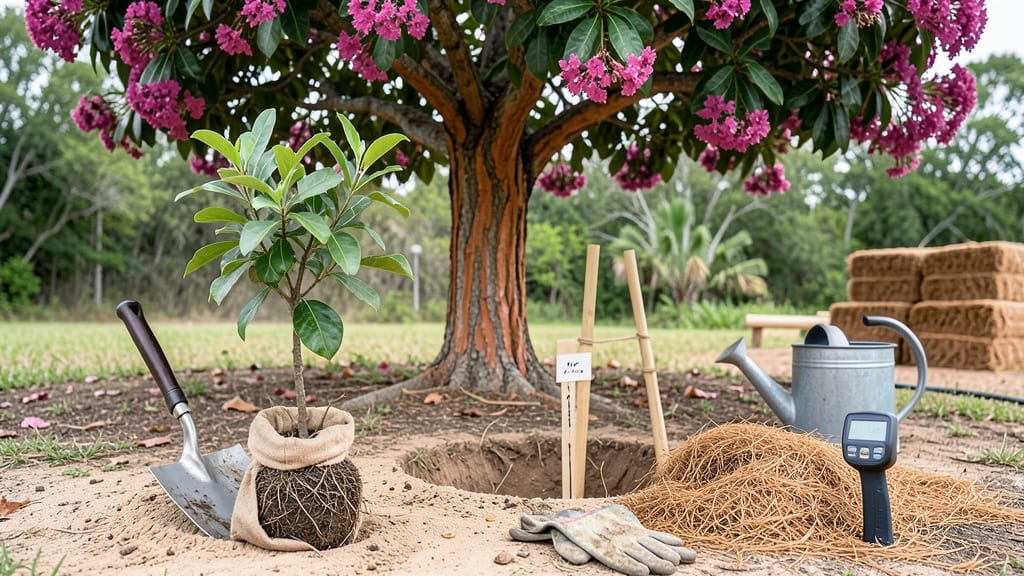
Planting your 🌸 crepe myrtle at the wrong time in Florida can turn your dream tree into a struggling underperformer—wilting in the heat or fighting weak roots.
The best months to plant aren’t just about the calendar; they’re about working with Florida’s unique microclimates to give your tree the strongest start possible.
Whether you’re in North Florida’s cooler Zone 8a or South Florida’s balmy Zone 11, timing matters. Late winter to early spring is your golden window, but even year-round planting is possible with the right tricks.
I’ll break down the ideal months for each region and how to avoid common pitfalls like heat stress or poor soil prep.
You’ll discover why January and February are the safest bets for most Floridians—and how to extend your planting season if you miss that window. Plus, I’ll share pro tips for soil prep, watering schedules, and even how to protect your crepe myrtle from unexpected frost (yes, it happens!).
Ready to plant with confidence? Let’s dive into the best months for your region, so your crepe myrtle thrives from day one—no guesswork required.
Optimal planting months for crepe myrtle in Florida by region
Florida’s diverse climate means crepe myrtle planting times vary dramatically from North Florida’s cooler winters to South Florida’s balmy year-round weather. Getting the timing right ensures strong root establishment and vibrant blooms. Let’s break down the best months for each region, including temperature thresholds and seasonal cues to watch.
In North Florida (USDA Zones 8a-9a), the ideal window is January through early March. This aligns with the region’s mild winters and avoids the late-winter frost risks that can damage young roots.
For example, if you’re in Jacksonville or Tallahassee, aim to plant before March 15th when temperatures start climbing above 60°F consistently.
For Central Florida (Zones 9a-9b), the sweet spot is late December to February. Cities like Orlando and Tampa experience cooler temperatures during these months, making it easier for roots to establish before the summer heat arrives.
Planting in January gives your crepe myrtle a head start for the spring bloom season.
| Region | Best Planting Months | Temperature Threshold | Key Seasonal Cues |
|---|---|---|---|
| North Florida (Zones 8a-9a) | January - Early March | 50°F - 65°F | Avoid late-winter frosts; soil should be workable |
| Central Florida (Zones 9a-9b) | Late December - February | 55°F - 70°F | Plant before summer humidity peaks; watch for afternoon thunderstorms |
| South Florida (Zones 10a-11) | Year-round (best in September-November) | 65°F - 85°F | Avoid peak summer heat (June-August); monitor for hurricane season |
South Florida (Zones 10a-11) offers the most flexibility, allowing planting year-round. However, the best window is September through November to avoid the intense summer heat and hurricane season risks. In Miami or Fort Lauderdale, planting in October gives your crepe myrtle time to establish before the winter dry season begins.
Regardless of region, always check the soil temperature before planting. Crepe myrtles thrive when soil temps are above 60°F. Use a soil thermometer to confirm—cold soil can stunt root growth, even in Florida’s warmer zones.
For example, in Panama City (North Florida), wait until soil temps hit 65°F before planting in February.
Rainfall patterns also play a role. In North and Central Florida, aim to plant during dry spells in late winter to avoid waterlogged soil. In South Florida, the wet season (June-November) can be ideal for planting, but ensure your planting site has good drainage to prevent root rot.
Mulch heavily after planting to retain moisture and regulate soil temperature.
If you’re in a transition zone (e.g., Ocala or Gainesville), err on the side of earlier planting (December-January). These areas experience unpredictable temperature swings, and crepe myrtles need stable conditions to thrive.
For instance, a sudden cold snap in February can stress newly planted trees, so monitor local forecasts closely.
Pro tip: Container-grown crepe myrtles can be planted slightly later than bare-root varieties, as their root systems are already established. If you’re planting in April or May in South Florida, opt for container-grown trees to reduce transplant shock during the hottest months.
Finally, align your planting with native seasonal cues. In Florida, crepe myrtles naturally bloom in late spring to summer. Planting in late winter or early spring ensures your tree follows this natural rhythm, leading to healthier growth and more abundant flowers.
Optimal planting months for crepe myrtle in Florida by region
Florida’s diverse climate means crepe myrtles thrive best when planted during specific windows tailored to each region. Unlike many plants, crepe myrtles can handle year-round planting in Florida, but late winter to early spring offers ideal conditions for root establishment before summer heat sets in.
North Florida’s cooler winters (USDA Zones 8a-8b) make January and February the sweet spot. Central Florida (Zones 9a-9b) benefits from planting in December through March, while South Florida (Zones 10a-11) can plant almost anytime—but late winter avoids summer storms and ensures strong growth.
Temperature thresholds are key: aim for soil temps above 60°F (15°C) and avoid planting during prolonged heatwaves or hurricane season (June-November). Rainfall patterns also matter—planting before Florida’s wet season (May-October) helps prevent waterlogged soil.
Crepe myrtles align best with Florida’s natural cues when planted after the coolest months. This timing lets roots establish before the humid summer, reducing stress. For example, a January planting in North Florida gives roots 6 months to settle before peak heat.
| Region | Best Planting Months | Soil Temp Threshold | Key Consideration |
|---|---|---|---|
| North Florida | January-February | 60°F+ (15°C+) | Avoid late frosts (rare but possible) |
| Central Florida | December-March | 65°F+ (18°C+) | Plant before summer storms |
| South Florida | Year-round (best Dec-Feb) | 70°F+ (21°C+) | Avoid hurricane season (June-Nov) |
For container planting, timing is less critical, but still follow regional cues. Containers warm up faster, so spring planting (March-April) works well even in cooler zones. Always use well-draining soil to prevent root rot, especially in Florida’s heavy clay soils.
Pro tip: Mulch heavily after planting to retain moisture and regulate soil temperature. In North Florida, a 3-inch mulch layer helps protect roots from winter temperature swings, while South Florida benefits from mulch to prevent soil overheating in summer.
Aligning your crepe myrtle planting with Florida’s natural seasonal rhythms ensures faster growth and fewer pests. Whether you’re in Panama City or Miami, prioritize soil temperature and rainfall patterns over rigid calendar dates for the best results. 🌸