
Trees
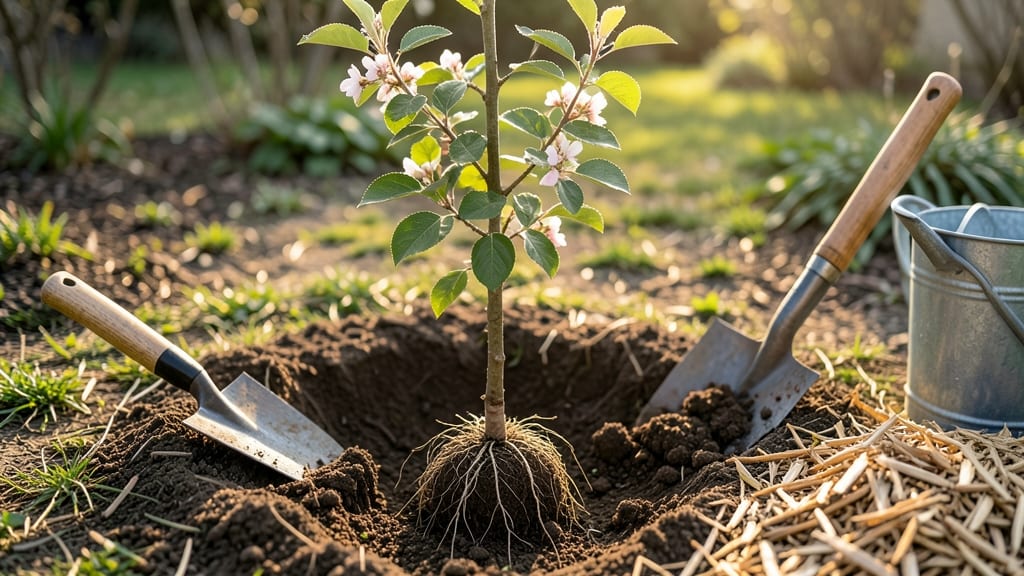
Timing your 🍎 apple tree planting in North Carolina could make or break your harvest—literally. Planting too early risks frost damage, while waiting too long means missed root growth opportunities in the state's 7a-8b zones.
Most gardeners swear by late winter to early spring (February-April) as the sweet spot, when soil warms enough for roots to establish before summer heat sets in. But did you know the Piedmont region often has a 2-week earlier window than the Mountains?
In this guide, I’ll break down the exact planting windows for your specific zone, whether you’re working with bare-root saplings or container-grown trees. You’ll also discover how to prep your soil for maximum growth and avoid the 5 biggest mistakes that stifle young trees.
Ready to plant with confidence? Let’s get your 🍎 apple tree off to the strongest possible start—because a little planning now means bushels of fruit later.
Best planting months for apple trees in North Carolina by USDA Zone
North Carolina’s diverse climate—from the cool mountain regions (Zone 5b-6a) to the warmer Coastal Plain (Zone 7b-8a)—means your apple tree planting window varies dramatically. In the Piedmont and Mountains, late winter to early spring (February–March) is ideal, while coastal gardeners can plant as late as April without frost risk.
The key is planting when soil temperatures hit 40–50°F for root growth.
Bare-root saplings thrive when planted dormant, typically in February or early March, while container-grown trees offer flexibility until April. Fall planting is possible in Zones 6a and below, but risks winter heaving if frozen soil expands.
Always check your last frost date—Raleigh’s average is March 15, but Asheville’s can be April 1.
For Zone 5b-6a (Mountains/Piedmont), aim for February 15–March 15 to avoid early spring thaws that can stress roots. In Zone 7a-8a (Coastal Plain), March 1–April 15 works best, as warmer soils speed root establishment. Container-grown trees can stretch this window by 2–3 weeks in warmer zones.
| USDA Zone | Best Planting Window | Soil Temp Requirement | Tree Type | Regional Tip |
|---|---|---|---|---|
| 5b–6a (Mountains) | Feb 15–Mar 15 | 40–50°F | Bare-root | Avoid clay soil; amend with compost. |
| 6b–7a (Piedmont) | Feb 28–Apr 1 | 45–55°F | Bare-root or container | Mulch heavily to retain moisture. |
| 7b–8a (Coastal Plain) | Mar 1–Apr 15 | 50–60°F | Container-grown | Watch for humidity-related fungal risks. |
If you miss the spring window, fall planting (October–November) is an option in Zones 5b–7a, but only for container-grown trees. The goal is to let roots establish before first frost (typically November 15 in most of NC).
Avoid fall planting in Zone 8a, where mild winters can delay dormancy and invite pests.
Pro tip: Use a soil thermometer to confirm temperatures. Roots need consistent warmth to grow—cold, wet soil in early spring can smother roots. In the Mountains, wait until daytime highs reach 50°F consistently before planting. Coastal areas can start earlier, but avoid soggy soil.
Container-grown trees are my top recommendation for beginners because they adapt better to delayed planting. Their established root systems handle warmer soil conditions in April, while bare-root trees risk transplant shock if planted too late. Just remove the container and tease roots before setting them in the hole.
One common mistake? Planting too early in hopes of a longer growing season. If you plant in January in Zone 6a, a warm spell followed by frost can kill tender new growth.
Stick to the 2–3 weeks before last frost rule for bare-root trees, or 1 month before last frost for containers.
For dwarf varieties (like 'Liberty' or 'Fuji'), timing is slightly more flexible—their smaller root systems establish faster. But even dwarf trees need well-drained soil and full sun to thrive. If you’re in Zone 8a, consider late February planting to avoid the hot, humid summers that stress young trees.
Finally, local nurseries know best—ask when they recommend planting. Many offer region-specific varieties (e.g., 'Akane' for Piedmont, 'Gala' for Coastal Plain) that align with your microclimate. Pair your planting date with proper soil prep (next section!), and you’ll set your apple tree up for decades of harvests.
Best planting months for apple trees in North Carolina by USDA Zone
North Carolina’s diverse climate zones—from the cool Mountain regions (Zone 5b-6a) to the warmer Coastal Plain (Zone 8a)—mean your planting window depends entirely on where you live.
In Zone 7a-8b, the sweet spot is late winter to early spring, but exact timing varies by last frost date and tree type.
Bare-root apple trees thrive when planted 2-3 weeks before the last frost date, giving roots time to establish before summer heat arrives. Container-grown trees, however, can handle a slightly later window—up to mid-April in most zones.
Fall planting is possible in Zones 6a and cooler, but it’s riskier due to winter frost exposure.
Here’s a breakdown of your zone-specific planting windows and key considerations for each:
| USDA Zone | Best Planting Window | Soil Temp Goal | Tree Type |
|---|---|---|---|
| 5b-6a (Mountains) | Late February - Early April | 40-50°F | Bare-root or container |
| 6b-7a (Piedmont) | Mid-March - Mid-April | 45-55°F | Container preferred |
| 7b-8a (Coastal Plain) | Late March - Early May | 50-60°F | Container only |
*Fall planting possible in Zones 6a and cooler—plant 6-8 weeks before first frost.
In Zone 7a-8b, where most of North Carolina falls, aim for March-April to align with soil warming trends. Use a soil thermometer to confirm temperatures are above 45°F—this ensures roots won’t freeze after planting.
Pro tip: Container-grown trees can handle warmer soils, making them ideal for Coastal Plain gardeners who face later frost dates.
Regional microclimates add another layer: Mountain valleys may frost later than surrounding slopes, while Coastal areas can experience unexpected cold snaps. Check your local Cooperative Extension Service for precise frost data—it’s the secret to planting with confidence.
For example, Asheville (Zone 6b) often has a 2-week earlier window than Raleigh (Zone 7b).
Timing isn’t just about frost—it’s also about dormancy cycles. Apple trees planted in late winter emerge from dormancy just as soil conditions improve, giving them a 30% faster root establishment than trees planted in spring.
If you miss the ideal window, don’t panic: Container-grown trees can be planted up to May, though they may need extra watering and shade during establishment.
Remember, root growth is your #1 priority—a well-timed planting gives your tree the best chance to develop a strong foundation before summer heat and pests arrive.
With the right timing, you’ll be enjoying homegrown apples in 3-5 years instead of waiting a decade for a poorly timed tree to mature.