
Plants
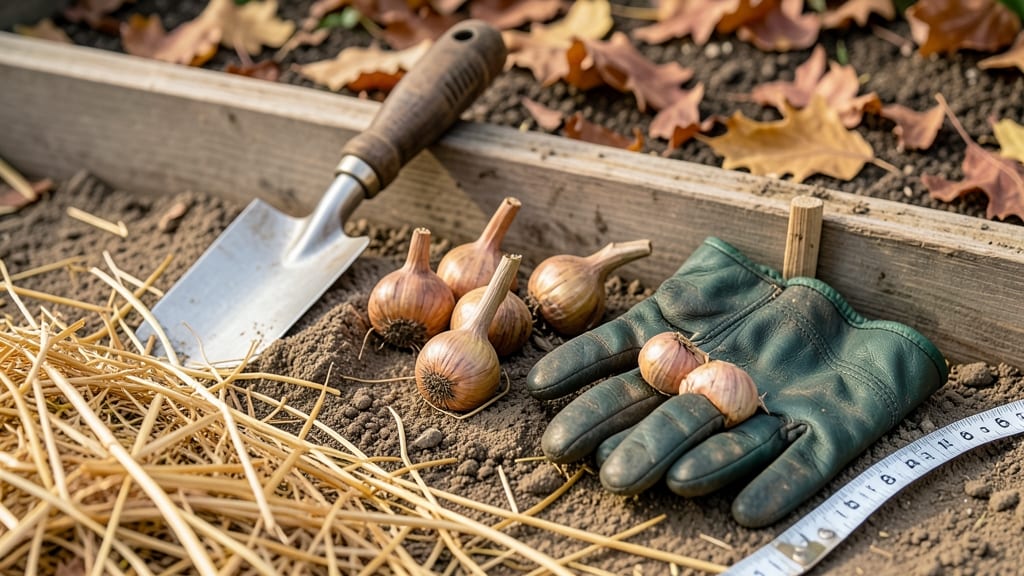
Planting tulip bulbs at the wrong time in North Carolina can mean the difference between a breathtaking spring display of 🌷 and a season of disappointment. With USDA zones 7a-8b and unpredictable frost dates, timing is everything—and missing the window by even a few weeks could leave your bulbs vulnerable to winter damage.
Most gardeners in your region know fall is the ideal season, but the exact moment matters. Between October and November, soil temperatures drop and frost looms, creating a narrow window for success.
Whether you're in the Piedmont or Coastal Plain, understanding your local microclimate helps you avoid common mistakes that waste time and money.
I’ll walk you through the zero-frost-risk strategy for extending your planting window, soil prep tips to ensure strong roots, and how to care for your bulbs once they’re in the ground. By the end, you’ll know exactly when to plant for maximum blooms next spring—no guesswork required.
Ready to transform your garden? Let’s dive into the step-by-step guide tailored for North Carolina’s climate, so you can enjoy vibrant tulips year after year without the stress of last-minute planting.
North Carolina’s USDA zone planting deadlines for tulip bulbs
North Carolina’s diverse climate—spanning USDA zones 5b through 8b—means your tulip planting window varies dramatically from the mountains to the coast.
In zone 5b (western NC), you’ll need to plant bulbs by mid-October to avoid winter damage, while gardeners in zone 8b (coastal areas) can push planting until late November.
The key is timing bulbs to root before the ground freezes, typically between 50°F and 60°F soil temps.
Most North Carolina gardeners fall into zones 7a-7b, where the ideal planting window is October 15–November 15. This aligns with when soil temperatures drop below 60°F but before the first hard frost, usually mid-November in Piedmont and late November on the coast.
Missing this window? Don’t panic—we’ll cover late planting strategies later.
Here’s your zone-specific planting deadline guide, including the zero-frost-risk strategy for pushing bulbs later in the season:
Microclimates in North Carolina add another layer of complexity. For example, Asheville (zone 7a) may see frost by November 15, while Raleigh (zone 7b) might delay until December 1.
Coastal areas like Wilmington (zone 8a) often escape frost entirely, allowing December plantings—but bulbs need 12–16 weeks of cold to bloom, so push too late, and you’ll miss spring flowers.
If you’re in a warmer microclimate (e.g., near a large body of water), consider pre-chilling bulbs in your fridge for 8–10 weeks before planting. This mimics winter conditions and can help bulbs root faster.
For colder mountain zones, focus on well-draining soil and early planting to prevent rot before frost sets in.
Pro tip: Use a soil thermometer to confirm ground temps are between 50°F–60°F before planting. In zone 7a–7b, this usually aligns with mid-October, but coastal gardeners can wait until early November. The goal is to give bulbs 4–6 weeks of root growth before winter dormancy.
One common mistake is planting too early. Tulip bulbs need cold stratification to bloom, but if planted in September, they may sprout too soon and get damaged by early frosts. Aim for October as your sweet spot—this ensures bulbs root deeply but don’t flower until spring.
For container gardeners, the rules are slightly different. Pots warm up faster, so plant 2–3 weeks earlier than in-ground bulbs. If you’re in zone 8a/8b and want to plant in December, use black plastic pots to absorb heat and mimic soil temps more closely.
Remember: Tulips are perennials, but they won’t rebloom reliably in North Carolina’s climate unless you dig and divide bulbs every 3–4 years. Planting at the right time now sets the stage for years of spring color—just don’t forget to deadhead spent blooms to encourage next
Critical factors that determine your perfect tulip planting date
North Carolina’s fall temperatures and soil conditions are the biggest factors in timing your tulip bulb planting. Unlike northern states, our USDA zones 7a-8b give you a slightly extended window—but missing the mark by even a week can spell disaster for your spring blooms.
The key is understanding soil temperature triggers and first frost dates that vary wildly between the mountains and coastal plains.
Tulip bulbs need 6-8 weeks of chilling below 40°F (4°C) to bloom properly. In most of North Carolina, this means planting between mid-October and mid-November. However, if you’re in zone 8b (coastal areas), you might push it until late November—but only if the ground hasn’t frozen yet.
A soil thermometer is your best friend here: aim for 50-60°F (10-15°C) at planting time for optimal root growth before winter sets in.
Don’t rely solely on calendar dates—weather forecasts and local microclimates play huge roles. For example, Asheville’s higher elevation (zone 7a) may see frost by early November, while Wilmington’s coastal zone 8b might stay frost-free until mid-December.
Check the National Weather Service’s frost prediction maps or ask your local Cooperative Extension office for hyper-local advice. Even a 5°F (3°C) difference in your yard’s microclimate can shift your ideal planting window by weeks.
Another critical factor is bulb chilling requirements. Most tulips need 12-16 weeks below 40°F (4°C) to bloom. If you plant too late, bulbs may not get enough cold exposure, leading to weak stems or no flowers at all.
For late plantings, consider pre-chilling bulbs in your fridge for 6-8 weeks before planting—or opt for hardy varieties like ‘Darwin Hybrid’ or ‘Fosteriana’, which tolerate shorter chilling periods.
Finally, soil drainage can’t be overstated. Tulips rot in soggy soil, so avoid planting when heavy rains are forecast. If your garden holds water, amend the soil with compost or sand to improve drainage, or plant in raised beds for better control.
Well-draining soil ensures roots establish quickly before winter, giving your tulips the best shot at a vibrant spring show.
Pro tip: Mark your calendar for two weeks before your area’s average first frost date. This gives you a buffer to plant even if weather delays creep in.
And remember—mulching lightly after planting (with 2-3 inches of straw or leaves) protects bulbs from freeze-thaw cycles that can heave them out of the ground. With these factors in mind, you’ll nail your tulip planting date every time!