
Plants
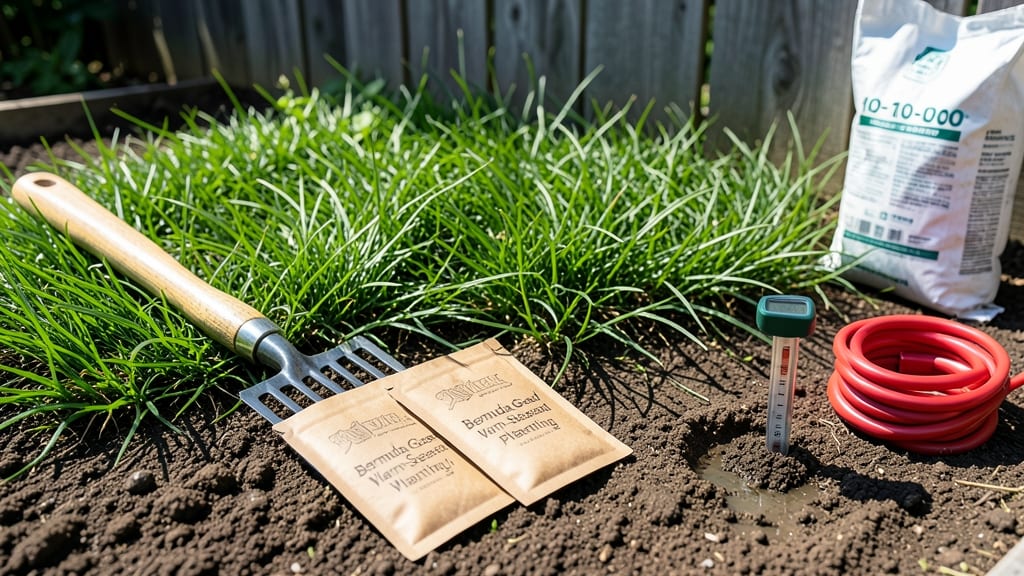
If you're dreaming of a lush, green Bermuda grass lawn in North Carolina, timing your seed planting is the single most important factor for success. Plant too early, and you risk losing your investment to late spring frosts or cool soil that stunts germination.
But get it right, and you'll set the stage for a thick, drought-resistant lawn that thrives in NC's 7a-8b climate.
Most gardeners in North Carolina make one of two mistakes: either rushing to plant as soon as the weather warms up or waiting too long into summer when the soil is already too hot.
The sweet spot actually falls in that tricky transition period when soil temperatures hit 65°F or warmer—typically between late April and mid-May, or again in August through early September for a fall planting window.
What makes Bermuda grass different from other grasses is its warm-season nature—it needs consistent warmth to germinate properly.
In NC's variable spring weather, this means checking soil temperatures and watching for the last frost date in your specific region (Coastal, Piedmont, or Mountains) to avoid common pitfalls like poor seed-to-soil contact or washed-out seeds from heavy spring rains.
In this guide, I'll walk you through exactly when to plant Bermuda grass seed in NC, how to prepare your soil for maximum germination, and what to watch for in the weeks after planting. Let's get your lawn off to the best possible start.
North Carolina’s ideal soil temperature & frost-free window for Bermuda grass seed
Bermuda grass thrives in warm soil and consistent heat, making timing critical in North Carolina’s variable spring climate. Unlike cool-season grasses, Bermuda won’t germinate until soil temperatures hit 65°F (18°C)—a threshold often delayed by late frosts in the Mountains or Piedmont.
Coastal areas may reach this earlier, but rushing planting risks seed rot from lingering moisture.
North Carolina’s USDA zones 7a-8b create regional differences: Coastal NC (Zone 8a) can plant as early as late April, while Mountain regions (Zone 7a) should wait until mid-May.
Always check your last frost date—Coastal areas average April 15, but inland zones can see frost until May 1.
To verify readiness, use a soil thermometer (insert 4 inches deep) or check local weather forecasts for 7-day highs above 75°F.
The NC State Climate Office provides free frost maps and soil temperature data tailored to your county. Bermuda grass seeds need warmth to activate, but extreme heat (above 90°F) can dry them out before germination.
| Factor | Coastal NC | Piedmont | Mountains |
|---|---|---|---|
| Last Frost Date | Mid-April | Late April | Early May |
| Soil Temp Threshold | 65°F (late April) | 65°F (early May) | 65°F (mid-May) |
| Ideal Planting Window | Late April–May 15 | May 1–June 1 | May 15–June 15 |
| Alternative Window | August–September | August–September | Late August |
| Key Risk | Humidity/fungal growth | Late frosts | Slow soil warming |
Bermuda grass is a warm-season grass, meaning it goes dormant in cold but needs heat to germinate. Planting too early (before soil warms) leads to seed dormancy or fungal diseases from prolonged moisture.
Conversely, waiting too long (after June 15) risks summer drought stress before roots establish. For fall planting, aim for August–early September to allow 6–8 weeks of growth before first frost.
Use the "7-day rule": Wait until 7 consecutive days of highs above 75°F and lows above 60°F. This ensures consistent warmth for germination.
In Coastal NC, this often aligns with late April, while Mountain regions may need to push to early June. Overseeding existing Bermuda? Time it for late summer to thicken lawns before winter.
Pro tip: Test your soil’s warmth by placing a thermometer in direct sun for 30 minutes—shady spots stay cooler. If your soil hits 65°F by 10 AM, it’s ready.
For sandy soils (common in Coastal NC), warm up faster than clay soils (Piedmont/Mountains). Adjust your planting date accordingly.
Myth bust: "Bermuda grass grows fast, so timing doesn’t matter." False! Slow germination in cool soil leads to uneven growth and weed competition. A 2-week delay waiting for perfect conditions can double your success rate. Patience pays off with a thicker, greener lawn by summer.
For real-time updates, bookmark the NC State Extension’s Lawn Calendar or use the Old Farmer’s Almanac app for local frost/freeze warnings. These tools adjust for microclimates—like urban heat islands or valley frosts—that can shift your ideal window by 1–2 weeks.
🌱
North Carolina’s ideal soil temperature & frost-free window for Bermuda grass seed
Bermuda grass thrives in warm soil and consistent temperatures, making timing critical in North Carolina’s USDA zones 7a-8b. Unlike cool-season grasses, Bermuda won’t germinate until the soil reaches at least 65°F (18°C).
Waiting too long risks summer drought stress, while planting too early invites frost damage. The frost-free window in NC typically spans from late April to mid-November, but your exact timeline depends on your region.
For spring planting, aim for late April to mid-May once nighttime temperatures stay above 55°F (13°C) consistently. Coastal areas like Wilmington may start earlier, while mountain regions like Asheville should wait until early June.
The key is balancing soil warmth with moisture availability—Bermuda seed needs 1-2 inches of water weekly during germination, but soggy soil can suffocate it.
| Requirement | Specification |
|---|---|
| Soil Temperature | 65°F+ (18°C+) |
| Last Frost Date | Mid-April (Coastal) to Early May (Mountains) |
| Optimal Planting Window | Late April–Mid-May (Spring) or August–Early Sept (Fall) |
| Nighttime Temp Threshold | 55°F+ (13°C+) consistently |
| Watering Needs | 1–2 inches weekly (deep watering) |
To verify your local conditions, check the USDA Plant Hardiness Zone Map for your NC county and monitor soil temperature with a soil thermometer (available at garden centers for ~$10). Planting too early—before soil warms—leads to slow germination or seed rot.
Conversely, waiting until July risks summer heat stress and dormancy before roots establish. For a second planting opportunity, consider late summer (August–early September) when soil remains warm but humidity is lower.
Bermuda grass is a warm-season grass, meaning it goes dormant in winter and revives in spring. This makes it incompatible with cool-season grasses like fescue—planting them together leads to competition and poor establishment.
If you’re renovating an old lawn, kill existing grass first with glyphosate (apply 2 weeks before seeding) or solarization (clear plastic sheets in summer).
Pro tip: Use a seed starter fertilizer (high in phosphorus) to boost root growth once soil temps hit 70°F (21°C). Avoid nitrogen-heavy fertilizers early—they encourage top growth over root development, leaving your lawn vulnerable to drought.
Instead, focus on consistent moisture and light feeding until the grass reaches 3–4 inches tall, then gradually increase nitrogen for thicker blades.
Don’t let NC’s variable spring weather fool you—wait for three consecutive days above 70°F (21°C) before planting. This ensures your Bermuda grass seed germinates quickly and outcompetes weeds.
For real-time updates, follow your local Cooperative Extension Service (e.g., NC State Extension) for region-specific alerts on frost risks and planting windows. 🌱