
Plants
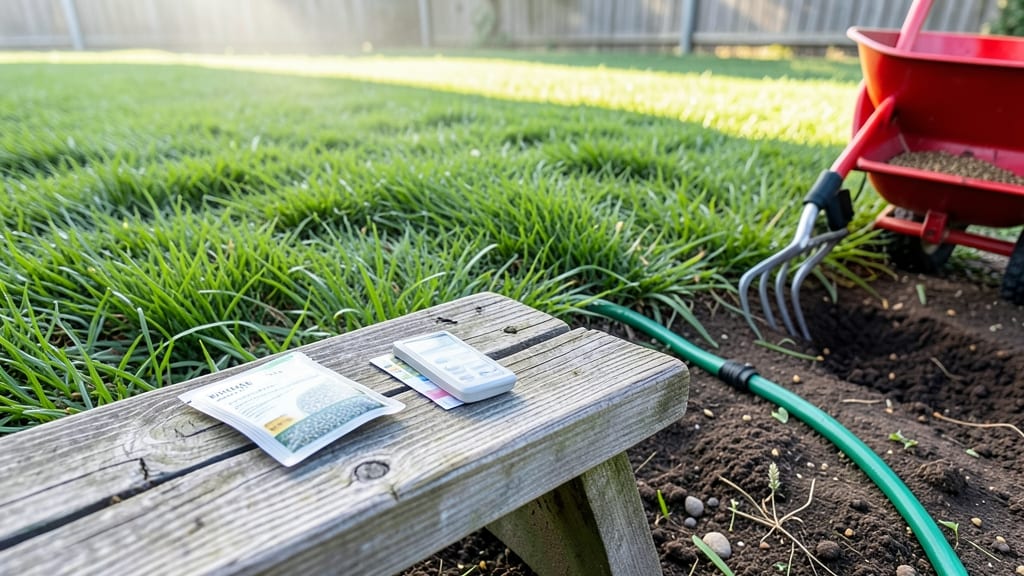
If you're dreaming of a lush, drought-resistant lawn in North Texas, timing is everything—especially when it comes to planting Bermuda grass seed 🌱. The difference between a thriving yard and a patchy disappointment often boils down to one critical window: late spring.
North Texas summers are unforgiving, and Bermuda grass needs the right conditions to take root before the heat sets in. Plant too early, and you risk frost damage; too late, and your seedlings may struggle under scorching temperatures.
I'll walk you through the ideal late-spring window—when soil warmth and spring rains align—to give your grass the best possible start.
Beyond timing, we'll cover soil prep secrets, watering strategies, and how to avoid common pitfalls that kill young grass in our 8a climate. Whether you're in Dallas or Waco, these tips will help you establish a resilient lawn that can handle Texas heat.
Ready to transform your yard? Let's dive into the exact steps that make all the difference when planting Bermuda grass seed in North Texas.
Optimal planting window for Bermuda grass seed in North Texas (late spring timing explained)
Timing is everything when planting Bermuda grass seed in North Texas. Unlike cool-season grasses, Bermuda thrives in heat and drought, but planting too early risks frost damage, while planting too late means battling scorching summer heat before roots establish.
The perfect window is late spring—when soil warms to 75°F+ and rainfall patterns support germination.
For most of North Texas (USDA Zone 8a), aim for mid-April through mid-May. This aligns with the last frost date (March 15) and gives seedlings time to develop deep roots before summer’s 100°F+ temperatures.
Cities like Dallas-Fort Worth may need to adjust slightly earlier (late April) due to faster warming soils, while Waco or Abilene can wait until early May.
Here’s why this window works: Bermuda grass seeds need consistent moisture to germinate but hate soggy soil. Late spring brings warm days and cooler nights, reducing stress on young seedlings. Plus, spring rains help without overwhelming the soil like summer downpours would.
🌱Pro Tip: Use a soil thermometer to confirm temperatures. Plant when readings hit 75°F at 2 inches deep—this ensures roots grow downward quickly, not upward where they’ll dry out.
| Timing Factor | North Texas Ideal Window | City-Specific Adjustments |
|---|---|---|
| Soil Temperature | 75°F+ at 2" depth | Dallas: Late April; Waco: Early May |
| Rainfall Pattern | 2-3 inches/week | Abilene: Wait for spring showers |
| Heat Tolerance | Seedlings need 4+ weeks before 90°F | Fort Worth: Plant by May 1 |
| Last Frost Risk | After March 15 | Higher elevations: Add 1 week |
If you miss the late spring window, don’t panic—Bermuda grass can also be planted in early summer (June), but expect slower establishment. The trade-off? Fewer weeds and immediate heat acclimation. However, summer planting requires daily watering for the first 30 days to prevent seed washout during storms.
💧Warning: Avoid planting in fall or winter. Bermuda grass is dormant in cold weather and won’t germinate until soil warms in spring. Any fall planting will just sit dormant until next year, wasting seed and money.
For homeowners in shaded areas, extend your planting window slightly into early June. Bermuda grass tolerates partial shade better than most warm-season grasses, but full sun yields denser growth. If your yard has trees or structures casting afternoon shade, prioritize the sunniest spots first.
🌡️Climate Hack: Check the National Weather Service for 7-day forecasts before planting. Aim for a stretch with consistent 70°F+ temps and minimal rain the first week—this gives seeds the best chance to sprout without rotting.
Once you’ve nailed the timing, the next critical step is soil preparation. Bermuda grass demands well-draining, slightly acidic soil (pH 6.0-7.0). Skipping this step leads to poor root development and weak grass vulnerable to drought.
We’ll cover that in the next section—plus how to handle North Texas’ clay-heavy soils that bake hard in summer.
Optimal planting window for Bermuda grass seed in North Texas (late spring timing explained)
Timing is everything when planting Bermuda grass seed in North Texas. The ideal window spans from mid-April to mid-May, when soil temperatures consistently reach 75°F+. This aligns with North Texas' late-spring rains while avoiding the brutal summer heat that can stress seedlings.
For Dallas-Fort Worth, aim for April 15 to May 1, while Waco and Abilene can push slightly later—April 20 to May 10—due to their slightly cooler microclimates. These dates balance soil warmth, rainfall patterns, and daylight length for optimal germination.
🌱
Planting too early (before April 1) risks cold soil and slow germination, while planting too late (after May 15) exposes seedlings to intense summer heat. Use a soil thermometer to confirm temperatures before seeding—this simple tool prevents costly mistakes.
For early summer planting (June), consider sod instead of seed to avoid germination challenges. Sod establishes faster and handles heat better, though it costs more upfront. If you must use seed, choose heat-tolerant varieties like 'Tifway 419' or 'Riviera' for North Texas.
Monitor your local weather forecasts for 10-day predictions—look for 3+ consecutive days of 80°F+ before planting. This ensures your Bermuda grass seed won't sit dormant in cool soil while waiting for warmth. Pro tip: Water deeply the night before planting to soften compacted soil and improve seed-to-soil contact.
☀️