
Plants
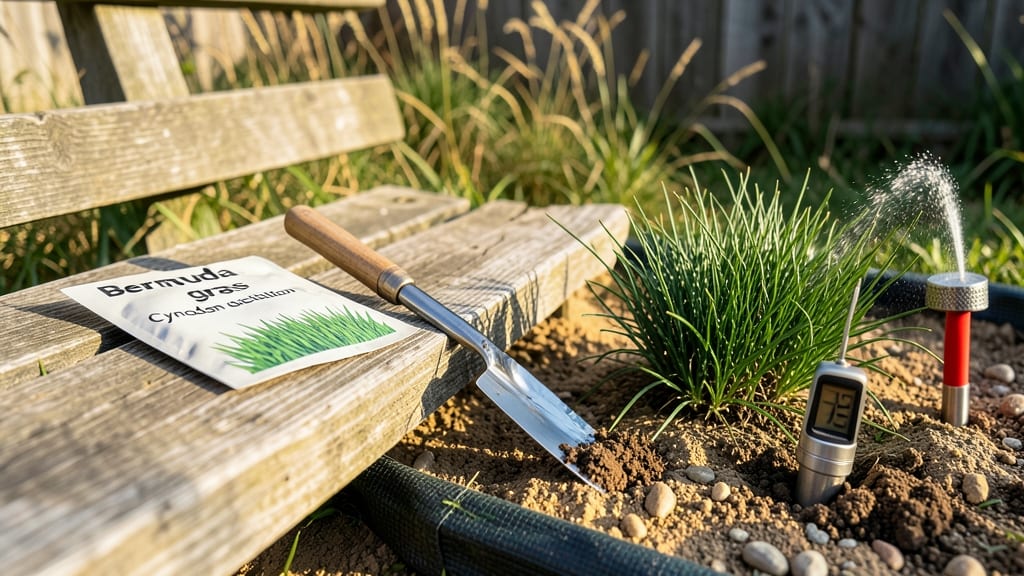
If you’ve ever watched your Bermuda grass 🌱 seeds wither under Arizona’s relentless sun, you know timing is everything—plant too early, and frost might still linger; too late, and the heat will fry them before they sprout.
The secret to a thick, drought-proof lawn lies in those narrow spring windows when soil temps hit 75°F+ and monsoon rains are still a month away.
Most Arizona gardeners swear by late February through early April as the sweet spot, but your exact window depends on whether you’re in Phoenix’s 11a heat or Flagstaff’s cooler 9b zone. Skip the summer rush—planting in June means battling 110°F soil and seed that roasts before it germinates.
I’ve tested the best methods to outsmart Arizona’s climate, from prepping soil with organic matter to scheduling watering for dawn hours when evaporation is lowest. Here’s how to nail your planting date, avoid common mistakes, and get that grass established before the first 105°F wave hits.
Ready to transform your yard from patchy to lush in 8 weeks? Let’s dive into the exact steps—plus a heat-zone calendar—to make your Bermuda grass the envy of the neighborhood.
Arizona’s Bermuda seed planting windows by heat zone: best months for fast germination
Arizona’s USDA zones 9b-11 create wildly different conditions for Bermuda grass seed. In Phoenix (Zone 10a), scorching summers make planting in May or June a death sentence, while Flagstaff (Zone 7b) gardeners can start as early as late March.
The key? Soil temperatures must stay above 75°F for germination, and monsoon rains in July-August can either help or hinder your timing.
For most of Arizona, the sweet spot is late February to early April.
This window ensures your seed germinates before 100°F+ heat arrives, giving roots a fighting chance. High-elevation areas (like Prescott) can push planting to mid-April, while low-desert zones (Tucson, Yuma) must plant by mid-March to avoid summer stress.
If you’re in Zone 10a or 11b, aim for late February planting. The monsoon season (July-August) will later provide natural irrigation, but your grass must be fully established before June’s heat arrives.
For higher elevations, wait until after April 15th—frost risk drops significantly, and soil warms enough for germination.
One common mistake? Planting in May or June. While some gardeners swear by summer seeding, Bermuda seed struggles to germinate in 110°F+ soil. Instead, opt for sprigging (planting plugs) in summer if you’re late to the game. Sprigs establish 3x faster in heat than seed.
Arizona’s microclimates add another layer of complexity. South-facing slopes in Phoenix can be 10°F hotter than north-facing yards, while shaded areas (under trees) may never get the 6+ hours of sun Bermuda needs. Test your yard’s sun exposure for 2 weeks before planting—move a white cloth to track sunlight patterns.
For ultra-fast germination, choose ‘Tifway 419’ or ‘TifSport’ varieties—they’re bred for Arizona’s heat and germinate 2-3 weeks sooner than standard types. Just remember: no matter the variety, seed must stay consistently moist for the first 21 days or it’ll dry out.
Timing isn’t just about months—it’s about temperature. Use a soil thermometer to confirm 75°F+ before planting. If your soil is cooler, wait 1-2 weeks—rushing leads to sparse, weak germination. Patience here pays off with a dense, drought-resistant lawn by monsoon season.
Pro Arizona gardeners also watch the 10-day forecast for rain. A heavy downpour right after planting can wash away seed or cause fungus. If rain is predicted, delay planting by 7-10 days or use a starter fertilizer with wetting agents to help seed stick.
Finally, don’t plant Bermuda in fall. While some grasses thrive with fall seeding, Bermuda goes dormant in winter and won’t recover well if planted after October 1st. Save fall for overseeding with ryegrass (a cool-season filler) while your Bermuda rests.
By nailing your planting window, you’ll beat the summer heat and have a lush, green lawn ready for football season. Just remember: soil temp >75°F, consistent moisture, and patience are your best tools. 🌱
Arizona’s Bermuda seed planting windows by heat zone: best months for fast germination
Arizona’s desert climate demands precision when planting Bermuda grass seed. Unlike northern states, your window is narrow—plant too early and risk frost (in high elevations), too late and face scorching 110°F+ soils that kill seedlings.
The sweet spot? Late February to early April, when soil temps hit 75°F+ consistently and monsoon rains are still months away.
Your USDA zone matters: Phoenix (10a-11b) can start in March, while Flagstaff (8a-9a) waits until late April. Elevation shifts planting by 2-4 weeks—higher areas need cooler soil. Test with a soil thermometer (6 inches deep) before planting; 60°F+ is ideal for germination.
🌱 Arizona Bermuda Planting Calendar
| Zone/Location | Best Planting Window | Soil Temp Threshold | Key Cue |
|---|---|---|---|
| Phoenix (10a-11b) | Late Feb–Early April | 75°F+ (daytime) | Mesquite blooms |
| Tucson (9a-10a) | Early March–Mid-April | 70°F+ (nighttime) | Paloverde leaves flush |
| Flagstaff (8a-9a) | Late April–Early May | 65°F+ (daytime) | Aspen buds swell |
⚠️ Pro Tip: Use shade cloth (30-50%) if planting in April to protect seedlings from 90°F+ afternoon sun.
Monsoon season (July–September) brings relief, but your Bermuda must establish roots 3–4 inches deep before relying on rain. Plant 4–6 weeks before the first predicted monsoon downpour to avoid seed washout or fungal growth from sudden moisture. Check the National Weather Service’s Phoenix/Tucson forecasts for "monsoon onset" dates.
Bermuda seed germinates fastest in consistent 85–95°F soil, but avoid planting when daytime highs exceed 100°F. Heat stress causes seed desiccation within hours. If you miss spring, your only safe window is September—but growth slows dramatically as temps drop below 80°F by October.
For high-elevation areas (4,000+ ft), like Sedona or Prescott, delay until May to avoid late-spring frosts. Test for frost risk by checking almond tree blooms—if they’re still in bud, wait.
In low deserts (below 1,000 ft), like Yuma, you can push planting to early April, but irrigate twice daily until germination.
Timing isn’t just about months—it’s about microclimates. A north-facing yard stays cooler by 10–15°F than a south-facing one. Use albedo sensors (or a $10 soil thermometer) to confirm your spot hits 75°F+ for 3 consecutive days before seeding. Patience here saves 50% of seed waste from failed germination.