
Trees
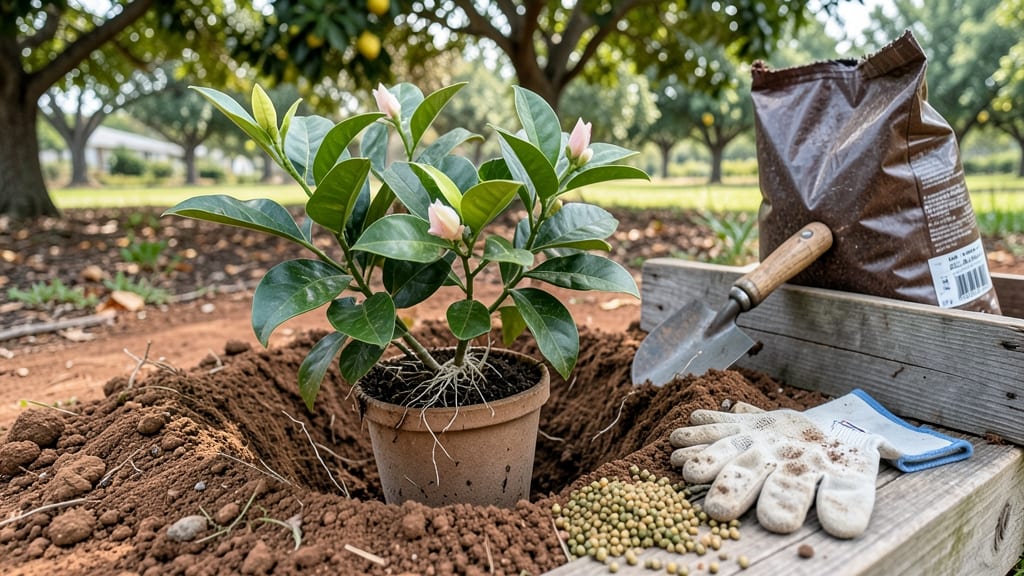
Planting fruit trees 🍎 in Florida at the wrong time could mean slower growth, weaker roots, or even pest problems—even though the state’s warm climate makes it possible year-round.
The key to fast, healthy establishment isn’t just avoiding frost (which rarely happens here) but timing it right for your specific variety and microclimate.
Most Florida gardeners know late winter to early spring is ideal, but did you know citrus thrives when planted in December or January, while tropical varieties like mangoes prefer spring planting?
I’ll break down the best months for each type, plus how North Florida’s cooler pockets differ from Miami’s humidity.
You’ll also discover how to beat Florida’s summer heat stress and maximize root growth in just 3 simple steps. Whether you’re a first-time planter or a seasoned grower, these insights will help your fruit trees take off faster than ever.
Ready to plant with confidence? Let’s dive into the exact schedule that works for your Florida zone—and the pro tips to keep your trees thriving all year.
Optimal planting months for Florida fruit trees by variety
Florida’s frost-free climate makes it ideal for growing fruit trees year-round, but timing still matters. Planting in the coolest months helps roots establish before summer heat arrives. For most varieties, January and February are the gold standard, but your tree type and location in Florida will dictate the perfect window.
Citrus trees like oranges and grapefruits thrive when planted in late winter (Dec-Feb), while tropical varieties such as mangoes and avocados prefer spring (March-April) to avoid summer storms. Understanding these nuances ensures your trees grow strong and fruit abundantly.
🌱 Key Insight: Florida’s USDA Zones 7-11 mean no frost, but temperature fluctuations and humidity still play a role. Coastal areas (e.g., Miami) can plant slightly later than inland zones (e.g., Orlando) due to milder winters.
| Variety | Best Planting Months | Why This Timing | Notes |
|---|---|---|---|
| Citrus (Oranges, Lemons, Limes) | January–February | Cool temps reduce stress; roots establish before summer heat. | Avoid summer planting—risk of heat shock. |
| Avocado | March–April | Warmer soil encourages root growth; avoids hurricane season. | Container-grown trees can plant year-round. |
| Peach & Fig | December–January | Cooler weather prevents transplant shock. | North Florida only—sensitive to humidity. |
| Mango & Lychee | February–March | Balances humidity and soil warmth for root spread. | Avoid summer—high pest risk. |
| Pomegranate | January–February | Cool temps reduce water stress in sandy soil. | Drought-tolerant once established. |
If you’re in South Florida (Zones 10-11), you can plant container-grown trees year-round, but bare-root varieties still benefit from winter planting. The key is avoiding peak summer heat (June-August), which can cause root burn and pest infestations.
💡 Pro Tip: For dwarf varieties, like dwarf citrus or Meyer lemons, spring planting (March) works well—they adapt faster to Florida’s humidity. Just ensure your soil is well-draining to prevent root rot.
For tropical fruit trees like papaya or guava, late winter to early spring is ideal. These trees thrive in humid conditions but need time to establish before the wet season (June-September), which can increase fungal risks.
Always check your local microclimate. For example, Tampa’s coastal breezes allow slightly later planting than Gainesville’s inland heat. Use a soil thermometer to confirm soil temps are above 60°F before planting.
Finally, bare-root trees planted in winter (Dec-Feb) outperform container-grown trees in Florida’s climate. Their exposed roots establish faster in cool, moist soil, giving them a 3-month head start before summer stress sets in.
Ready to plant? Grab your gloves and shovel—Florida’s fruit trees reward patience with bountiful harvests when planted at the right time. 🌿
How Florida’s microclimates affect root growth timing
Florida’s diverse climate zones—from North Florida’s cooler winters to South Florida’s tropical humidity—create unique challenges for fruit tree root development. In Zone 7a (North Florida), like Jacksonville, light frosts can occur, while Zone 11 (Key West) stays frost-free year-round.
These differences directly impact when you should plant to avoid heat stress or poor drainage issues.
For example, citrus trees thrive in South Florida’s warmth but may struggle in North Florida’s cooler winters unless planted in microclimates with wind protection.
Meanwhile, avocado trees, native to tropical regions, require consistent warmth and poorly tolerate cold snaps, making North Florida less ideal unless grown in containers.
🌱
| Region | Climate Factors | Best Planting Window | Key Considerations |
|---|---|---|---|
| North Florida (Zones 7b-9a) | Cooler winters, occasional frost, well-drained soil | January-February | Avoid late winter frosts; use windbreaks for young trees |
| Central Florida (Zones 8b-9b) | Moderate humidity, hot summers, sandy soil | December-March | Prioritize deep watering; amend soil with organic matter |
| South Florida (Zones 10a-11) | Tropical, high humidity, hurricane risks | Year-round (best in late summer-fall) | Use container planting for flexibility; protect from salt spray |
In North Florida, January-February is ideal because the soil is cooler and root shock is minimized during the dormant season. However, if you’re in South Florida, summer planting (June-August) works well for tropical varieties like mangoes, as they establish roots before the peak hurricane season.
Another critical factor is soil drainage. In coastal areas, like Miami or Tampa, sandy soil drains quickly, so mulching with compost helps retain moisture.
In contrast, inland regions, such as Orlando or Gainesville, often have clay-heavy soil, requiring amendments like peat moss to improve aeration.
🌿
For hurricane-prone zones, consider container-grown trees or elevated planting beds to prevent root rot from flooding. If you’re planting in North Florida, choose cold-hardy varieties, such as Satsuma mandarins or figs, which tolerate brief cold snaps.
In South Florida, focus on heat-tolerant types, like Carrizo citrange or Cogshall mangoes, which thrive in high humidity.