
Trees
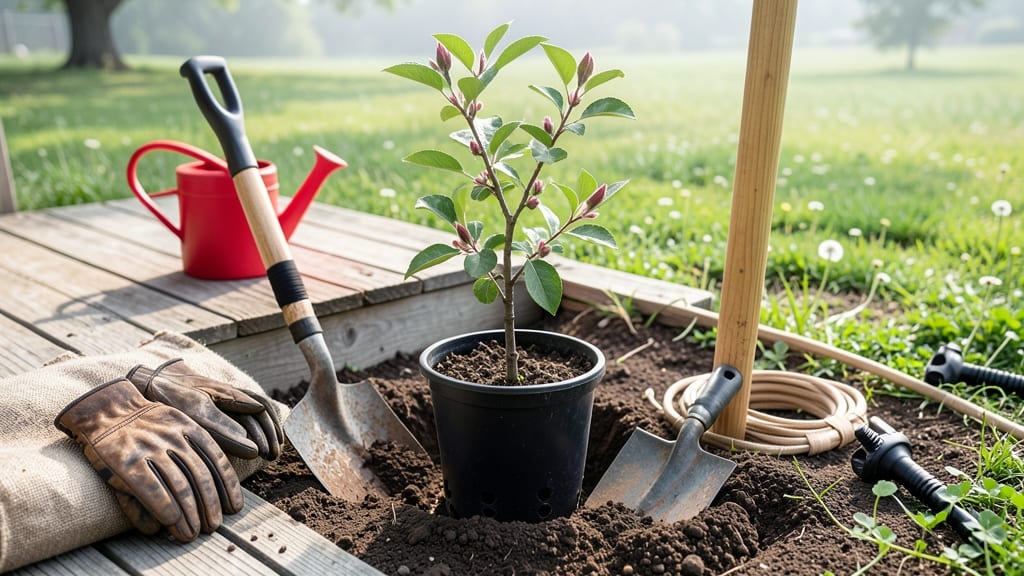
Timing your fruit tree planting in Kansas can mean the difference between a thriving orchard and a struggling sapling—especially when you're working with USDA Zones 5b-6a. Too early, and winter’s last frost can damage tender roots; too late, and summer’s heat will stress young trees before they’ve had a chance to take hold.
For Kansas gardeners, the sweet spot falls between late winter and early spring, when the ground is workable but the last frost still lingers on the horizon.
This window—roughly February through April—gives your 🍎 apple, peach, or plum trees the 2-3 months they need to establish strong roots before the growing season kicks into high gear.
But not all fruit trees are created equal. Deciduous varieties like apples and peaches prefer the cooler temperatures of early spring, while evergreens (yes, they exist in Kansas!) need a slightly later start.
The key is understanding your specific microclimate—whether you’re in the cooler Zone 5b or the slightly milder Zone 6a.
In this guide, I’ll break down the exact month-by-month schedule for planting success, plus soil prep tips and common mistakes to avoid. Let’s get those roots growing the right way.
Optimal planting windows for Kansas fruit trees by type
Kansas’ USDA Zones 5b-6a mean fruit trees must be planted during a narrow window to survive winter dormancy and summer heat. Deciduous trees like apples and peaches thrive when planted in late winter to early spring, while evergreen varieties (like citrus) rarely succeed in Kansas’ climate.
The key is aligning your planting with soil thaw and last frost dates—typically March 15 in most regions.
For bare-root trees, the ideal time is February through early April, when the ground is workable but before buds swell. Container-grown trees offer flexibility, allowing planting until May, but they’ll need extra care to establish roots before summer. Peach and plum trees are especially sensitive to late frosts, so planting them 4-6 weeks before your last frost gives roots time to anchor.
Here’s how Kansas’ microclimates affect timing: Northern areas (Zone 5b) should plant 2-3 weeks earlier than southern regions (Zone 6a). For example, apple trees in Wichita (Zone 7a) can handle a slightly later start, while cherry trees in Topeka (Zone 5b) need early planting to avoid frost damage.
🌱
| Tree Type | Best Planting Window | Soil Temp Requirement | Notes for Kansas |
|---|---|---|---|
| Apple | Late February–April | 40–50°F (4–10°C) | Dwarf varieties establish faster; avoid clay-heavy soils. |
| Peach | March–early April | 45–55°F (7–13°C) | Susceptible to late frosts; plant near windbreaks. |
| Cherry | February–March | 35–45°F (2–7°C) | Sweet cherries need cross-pollination; sour cherries are self-fertile. |
| Plum | March–April | 40–50°F (4–10°C) | Japanese plums handle Kansas heat better than European types. |
| Pear | Late March–April | 45–55°F (7–13°C) | Needs well-draining soil; avoid waterlogged areas. |
If you miss the primary planting window, fall planting (September–October) is a second option—but only for bare-root trees in Zone 6a.
The goal is to give roots time to establish before winter dormancy. Container-grown trees can be planted until May, but they’ll need consistent watering and mulch protection to survive Kansas’ summer droughts.
For stone fruits like peaches and plums, timing is critical to avoid late-spring frosts, which can kill blossoms.
Plant them 3–4 weeks before your average last frost date—check your local Kansas State University Extension for precise dates. Apple and pear trees are more forgiving but still benefit from early planting to build strong root systems before summer.
🌳
One common mistake is assuming container-grown trees can be planted anytime. While they offer flexibility, planting them in summer heat causes transplant shock.
If you must plant in summer, choose overcast days, water deeply, and use shade cloth for the first few weeks. Bare-root trees, on the other hand, should never be planted in summer—their roots dry out too quickly.
Another pro tip: Soak bare-root trees for 1–2 hours before planting to rehydrate roots. For container-grown trees, trim any circling roots and loosen the root ball to encourage outward growth. Both methods help trees establish faster in Kansas’ clay-heavy soils, which can suffocate roots if not amended properly.
Finally, consider microclimates in your yard. A south-facing slope warms up faster in spring, while a north-facing area stays cooler longer. Adjust your planting timeline by 1–2 weeks based on your specific location’s frost patterns. For example, Hays (Zone 5b) may need earlier planting than Lawrence (Zone 6a).
How to prepare Kansas soil for fruit tree planting success
Preparing your Kansas soil is the foundation for healthy fruit trees—especially when dealing with the clay-heavy soils common across the state. Before planting, focus on improving drainage and raising organic matter to create the ideal 6.0–7.0 pH range that fruit trees crave.
The right soil prep ensures strong root growth and sets your trees up for decades of productivity.
Start by testing your soil’s pH and texture. Kansas soils often lean toward alkaline (high pH), which can lock out essential nutrients like iron and zinc. A simple soil test kit (available at local garden centers) will tell you exactly what amendments you need.
If your soil tests too alkaline, mix in sulfur or peat moss to lower the pH gradually over time.
Next, break up compacted clay soil with a broadfork or tiller to a depth of 12–18 inches. This creates air pockets for roots to expand into, preventing waterlogging that can suffocate young trees. For heavy clay, consider planting in a raised bed or mounded soil to improve drainage naturally.