
Trees
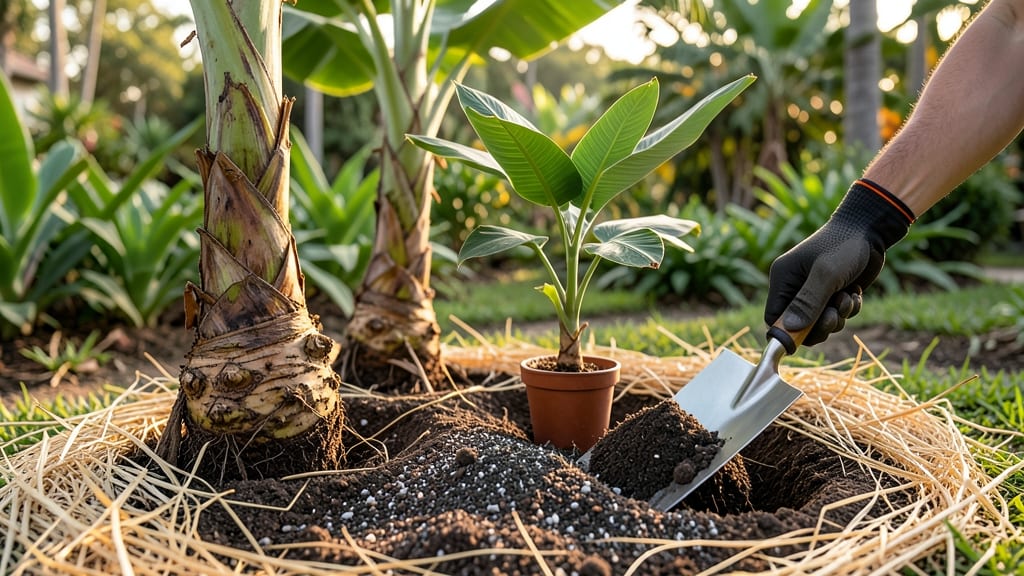
Planting a banana tree 🍌 in Florida might seem simple—after all, it’s warm year-round—but getting the timing right makes all the difference between a thriving tropical giant and a struggling underperformer.
The key isn’t just when you plant, but how Florida’s microclimates, humidity, and even hurricane season can shift your strategy from coastal Miami to inland Orlando.
If you’ve ever watched a banana tree grow from a small pot to a towering 20-foot powerhouse in just a few months, you know the magic happens when roots take hold during the perfect window.
For Florida’s USDA zones 10a-11, spring and early summer are your sweet spots—but inland areas might need a slightly different approach than coastal zones.
I’ve seen firsthand how planting too early can leave young trees vulnerable to unexpected cold snaps (yes, they can happen in Florida!), while waiting too late risks stunted growth before the monsoon season hits.
The solution? A smart, climate-adapted schedule that accounts for soil prep, container vs. in-ground planting, and even post-hurricane recovery tips.
Ready to unlock the secrets to faster growth and bigger harvests? Let’s break down the exact months, soil tricks, and care routines that’ll turn your banana tree from a hopeful sapling into a year-round fruiting machine—no guesswork required.
Best months to plant banana trees in Florida’s USDA zones 10a-11
Florida’s frost-free climate makes banana trees a year-round gardening possibility, but timing still matters for maximizing growth and fruit production. Unlike northern climates, you won’t face frost damage, but temperature fluctuations and humidity shifts can stress young plants.
The best windows focus on avoiding Florida’s heat spikes and hurricane season while aligning with natural rainfall patterns.
For USDA Zone 11 (south Florida), you can plant banana trees year-round with minimal stress. However, spring (March-May) and early summer (June-July) offer ideal conditions: warm soil, consistent rainfall, and lower pest pressure.
In Zone 10a (central/north Florida), aim for April-July to give young plants time to establish before summer’s peak heat.
Here’s why these months work best: March-May provides moderate temperatures (75-85°F) and increased rainfall to help roots establish. Planting in June-July takes advantage of summer humidity and long daylight hours, which banana trees love. Avoid August-September if possible, as hurricane risks and intense heat can slow root growth.
Container-grown banana trees have flexibility—you can plant them any month as long as you provide consistent watering and protection from direct sun during the first 2 weeks. For in-ground planting, soil temperature is critical: aim for 65°F+ at 6 inches deep to ensure root development.
| Zone | Best Planting Months | Temperature Range | Rainfall | Key Considerations |
|---|---|---|---|---|
| Zone 11 (South FL) | Year-round (best: Mar-May, Jun-Jul) | 75-90°F | High (May-Oct) | Low hurricane risk in spring |
| Zone 10a (Central/North FL) | Apr-Jul (avoid Aug-Sep) | 70-85°F | Moderate (Jun-Sep) | Higher heat stress risk in summer |
| Container Planting (Any Zone) | Feb-Nov (avoid Dec-Jan) | 65°F+ soil temp | Controlled (water as needed) | Move indoors if temps drop below 60°F |
If you plant in late summer (August-September), prioritize shade cloth for young plants to protect them from intense afternoon sun and hurricane winds. In Zone 10a, early September plantings can still work if you use mulch to retain moisture during Florida’s dry spells.
For container plants, winter (December-February) is riskier due to cooler nights, even in Florida.
Pro tip: Water deeply 2-3 days before planting to loosen soil and reduce transplant shock. Add compost to the planting hole for nutrient-rich soil—banana trees are heavy feeders and need fertile ground to thrive. In sandy soils (common in Florida), mix in peat moss to improve water retention.
For fastest growth, choose dwarf or semi-dwarf varieties like ‘Dwarf Cavendish’ or ‘Lady Finger,’ which mature quicker than standard types. These varieties also handle Florida’s humidity better and produce fruit in 12-18 months instead of 3+ years.
Plant them 6-10 feet apart to allow airflow and reduce fungal diseases like sigatoka leaf spot.
Remember: Banana trees grow fastest when planted in well-draining soil with 6+ hours of sun. In Florida’s coastal areas, salt spray can damage leaves, so rinse foliage monthly during dry seasons.
If you’re in inland areas, watch for heat stress—yellowing leaves signal it’s time to provide afternoon shade.
🌱
How Florida’s microclimates affect banana tree planting times
Florida’s diverse microclimates—from steamy coastal areas to drier inland regions—can shift your banana tree planting window by weeks. Coastal zones like Miami and Key West stay humid year-round, while inland areas like Orlando or Tampa experience more pronounced summer heat waves and occasional hurricane risks.
Understanding these variations helps you avoid common pitfalls like heat stress or storm damage to young plants.
For example, South Florida (USDA Zone 11) has almost no seasonal slowdown, making year-round planting viable. Meanwhile, North Florida (USDA Zone 10a) near Gainesville may see cooler winter nights (below 50°F), which can stunt growth if planted too late in the year.
Even within a single city, elevation differences of just 50 feet can change planting recommendations.
Here’s how to adjust your timing based on your location’s unique conditions:
- 🌊 Coastal Areas (e.g., Miami, Fort Lauderdale): Plant anytime—humidity reduces transplant shock. Prioritize June-July for fastest growth before hurricane season (June-November).
- 🏜️ Inland/Drier Regions (e.g., Orlando, Tampa): Aim for spring (March-May) to avoid summer drought stress. If planting in fall (September-October), use mulch to retain moisture.
- 🌬️ North Florida (e.g., Jacksonville, Gainesville): Plant after April 15 to escape late-spring cold snaps (rare but possible). Container-grown trees offer flexibility to move indoors if needed.
- 🌴 Everglades/Keys: Year-round planting works, but hurricane season (June-Nov) demands staking or container mobility for young trees.
Another critical factor is hurricane season (June-November). If you plant in late summer or fall, prioritize container growing or protected microclimates (e.g., behind windbreaks).
Young banana trees have shallow roots and are easily uprooted by storms. For in-ground planting, choose elevated, well-draining sites to prevent waterlogging during heavy rains.
Humidity also plays a role: High humidity (common in South Florida) speeds up fungal diseases like sigatoka leaf spot. If planting in these areas, use fungicide sprays during rainy seasons (May-October) and ensure proper air circulation around the tree.
In contrast, lower-humidity inland zones may require more frequent watering to mimic tropical conditions.
Pro tip: Use a weather station or local Cooperative Extension Service data to track heat indices and rainfall patterns in your area. For example, if your microclimate hits 95°F+ for prolonged periods, delay planting until temperatures drop below 90°F to reduce transplant shock.
Container-grown trees can be moved to shadier spots during heatwaves, giving you more control.
Finally, don’t overlook soil differences. Coastal areas often have sandy, fast-draining soil, while inland zones may have clay-heavy soil. Amend your planting site with compost or coconut coir to improve moisture retention and drainage—critical for banana trees’ tropical roots. 🌱