
Flowers
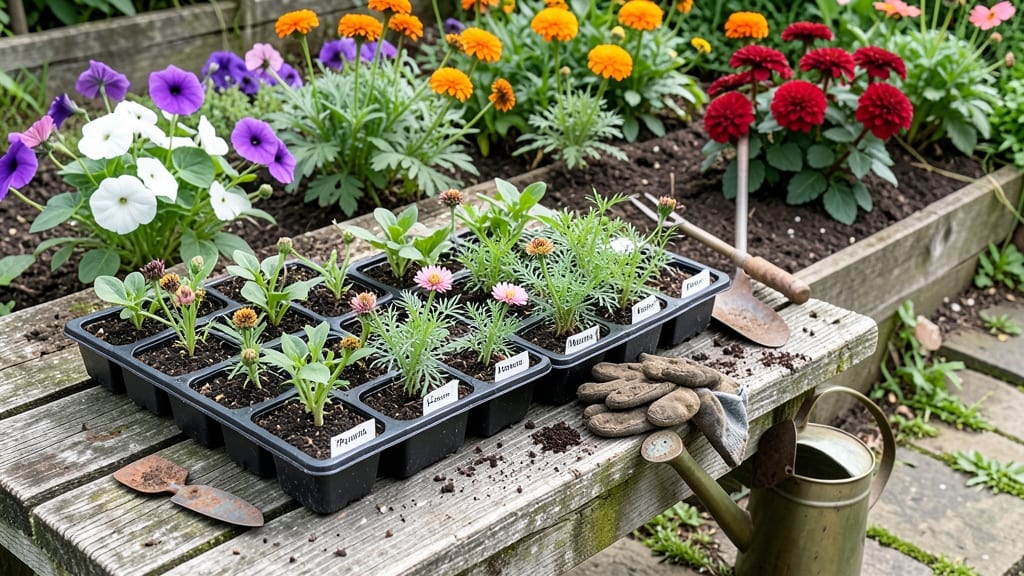
Timing your flowers planting in New Jersey can feel like a guessing game—one wrong move, and your vibrant blooms might never show up. But here’s the good news: with the right window, you can transform your garden into a year-round showstopper, even in USDA Zones 6b-7a.
Whether you’re dreaming of spring tulips or fall mums, knowing when to plant is everything. The key? Avoiding those tricky frost dates and matching your flowers to NJ’s two main planting seasons: early spring and fall.
Let’s break down exactly when to get your 🌸 in the ground for the most dramatic results.
I’ve tested the best methods for both annuals and perennials, so you won’t waste seeds or money on timing mistakes. From cool-season favorites to heat-loving blooms, we’ll cover it all—plus how to adjust for NJ’s unpredictable weather.
Ready to turn your garden into a blooming masterpiece? Let’s dive into the perfect planting schedule for your flowers, no matter where you are in the Garden State.
NJ flower planting calendar by season: exact dates for annuals, perennials, and bulbs
New Jersey’s USDA Zones 6b-7a offer a 180-210 frost-free days window—perfect for bold, long-lasting blooms if you plant at the right time. Last frost dates vary by region, with North Jersey typically seeing frost until mid-April and South Jersey a week earlier. First frost usually arrives in mid-October, so plan your garden around these critical dates.
For annual flowers, aim to plant after the last frost—typically late April to early May—while perennials thrive when planted in early spring (March-April) or fall (September-October). Spring bulbs like tulips and daffodils should go into the ground in October-November for spring blooms, while fall-planted bulbs (like crocuses) can handle cooler temps.
🌸 NJ Flower Planting Calendar
| Season | Planting Window | Flowers to Plant | NJ Pro Tip |
|---|---|---|---|
| Early Spring (March) | Late March - Early April | Pansies, Snapdragons, Sweet Peas, Tulip Bulbs | Use row covers if frost threatens—these cool-season flowers love 50-60°F soil temps. |
| Late Spring (April-May) | After Last Frost (Mid-April) | Marigolds, Zinnias, Petunias, Geraniums, Perennial Starts | Hardening off seedlings for 10-14 days prevents transplant shock in NJ’s variable spring temps. |
| Summer (June-August) | June (Succession Plant) | Cosmos, Sunflowers, Nasturtiums, Vinca | Plant heat-tolerant annuals in partial shade to avoid wilting during NJ’s humid July-August heatwaves. |
| Fall (September-October) | September (Perennials), October (Bulbs) | Mums, Asters, Calendulas, Crocus Bulbs, Daffodil Bulbs | Fall-planted bulbs need 6-8 weeks of cool soil—plant by October 15th for best results. |
Cool-season flowers like pansies and snapdragons thrive in NJ’s March-April planting window, tolerating temps down to 25°F. These early bloomers provide color before summer annuals take over. Marigolds and zinnias, however, need warm soil (60°F+), so wait until after May 1st to avoid stunted growth.
For perennials, early spring planting (March-April) gives roots time to establish before summer heat. Fall planting (September-October) is ideal for hardy perennials like coneflowers and black-eyed Susans, which benefit from cooler temps and 60 days of root growth before winter. Bulbs are a special case—plant spring bulbs (tulips, hyacinths) in October-November and fall bulbs (crocuses, daffodils) in September.
NJ’s microclimates can shift planting times by 2-3 weeks. Coastal areas (like Cape May) have earlier last frosts (early April), while inland zones (like Sussex County) may see frost until mid-May. Use Rutgers NJ Weather Network for local frost alerts and adjust your schedule accordingly.
Succession planting is key for continuous blooms. After your first wave of annuals (planted in May) starts to fade in July-August, sow cosmos or sunflowers for a late-summer splash of color. Similarly, fall mums planted in early September will bloom just in time for October festivals.
Don’t forget container gardening—potted flowers can be planted 2-3 weeks earlier than in-ground varieties since containers warm up faster. Petunias and geraniums in containers often bloom 3-4 weeks sooner than their in-ground counterparts, giving you an extended season.
Pro tip: Mark your planting calendar with moon phases for root crops
How to adjust planting times for NJ’s microclimates and last frost risks
New Jersey’s variable climate means your neighbor’s perfect bloom schedule might not work for you. North Jersey’s cooler temps and South Jersey’s earlier springs create microclimates that demand flexibility. The key? Adjusting your planting timeline based on local frost data and hardiness zone maps—not just calendar dates.
For example, Bergen County (Zone 6b) often sees its last frost by April 15, while Cape May (Zone 7a) can plant annuals by March 20. Even a 5-mile difference can shift your planting window by 2-3 weeks. Always check Rutgers NJ Weather Network for real-time updates before committing to seeds.
Here’s how to protect late plantings when NJ’s weather throws curveballs: Use row covers or cold frames to extend your season by 3-4 weeks. These simple tools create a mini greenhouse effect, shielding tender seedlings from unexpected frosts.
I’ve used them to safely plant marigolds in early May—even when nighttime temps dipped into the 40s.
Planting annuals after May 15 in NJ increases frost risk. Use this quick