
Plants
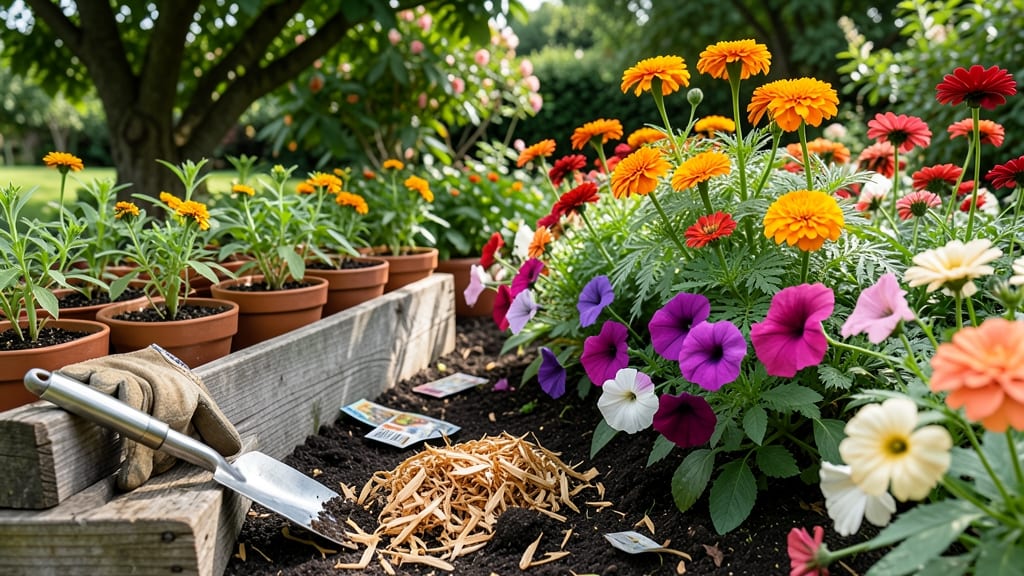
Timing your annuals planting in Maryland wrong can mean the difference between a vibrant 🌸 garden and a sad, frost-killed mess. With USDA zones 7a-8a and unpredictable frost dates, guessing won’t cut it—you need precise county-specific windows to ensure zero frost risk.
Most gardeners in Maryland’s 7a-8a zones wait until after the last frost (typically mid-April) to plant frost-sensitive annuals like marigolds and petunias. But coastal areas near the Chesapeake Bay often warm up earlier than inland spots, while Western Maryland’s higher elevations can delay planting by weeks.
In this guide, I’ll break down the exact planting windows for your county, whether you’re in Baltimore’s urban heat islands or Garrett County’s cooler hills. You’ll also discover how to adjust for soil temperature, microclimates, and even the best annuals for Maryland’s short growing season.
Skip the trial-and-error—let’s get those 🌸 blooms thriving from day one with data-backed timing that works for your exact location.
Maryland’s last frost dates by county: exact planting windows for annuals
Maryland’s last frost dates vary dramatically from the coastal plains to the mountainous western counties, making timing everything for your annual flowers and vegetable starts. In Baltimore County, where urban heat islands delay frost, you can plant marigolds and petunias as early as mid-April.
Meanwhile, in Garrett County, higher elevations push frost back until late May, requiring patience for impatiens and begonias.
For frost-sensitive annuals like geraniums or coleus, waiting until after the average last frost date is critical. My rule? Check soil temperatures—most annuals thrive when soil reaches 60°F (15°C). Use a soil thermometer to confirm readiness, especially in shady microclimates like Annapolis or Frederick.
Here’s the county-by-county breakdown you’ve been waiting for—plant these annuals within these windows to avoid frost damage:
Pro tip: Coastal areas like Calvert County often experience earlier last frosts due to bay breezes, while inland valleys (e.g., Washington County) can hold frost longer. Always verify with your local Cooperative Extension for year-specific adjustments.
For fall annuals, like mums or kale, aim for late summer planting—August 1–15 in most counties. These cold-hardy varieties can handle light frosts and even extend your garden season into November.
If you’re starting seeds indoors, begin 6–8 weeks before your county’s last frost date. For example, Baltimore gardeners should sow petunia seeds by mid-February, while Garrett County residents wait until late March. Use grow lights to supplement short winter days and ensure robust seedlings.
Remember, microclimates can shift planting windows by 2–3 weeks. A south-facing wall or paved surface warms soil faster, while shaded areas stay cooler. Test your spot with a soil thermometer for 3 consecutive days before planting.
For heat-loving annuals like sunflowers or okra, wait until after May 15 in most counties. These tropical varieties need consistent warmth to thrive—planting too early risks stunted growth or bolting.
🌱
How to adjust planting dates for Maryland’s microclimates and soil conditions
Maryland’s microclimates can shift your planting window by 2-4 weeks. For example, Baltimore’s urban heat island often warms up 10-14 days earlier than Garrett County’s high elevations. Even a 100-foot elevation change can delay frost dates by 5-7 days, so don’t rely on generic statewide averages.
Coastal areas near the Chesapeake Bay experience milder winters and earlier springs, while inland valleys like the Patapsco River basin can have colder pockets. Always check your local weather station for the most accurate frost predictions—apps like Old Farmer’s Almanac or NOAA provide county-specific data.
Soil temperature matters just as much as air temperature. Most annuals need soil at 60°F or warmer to germinate properly. Use a soil thermometer ($10 at garden centers) to test before planting. If your soil is still below 55°F, wait—even if the air feels warm.
For early starts, consider cold frames or cloche tunnels to extend your season by 3-4 weeks. These work especially well for heat-loving annuals like marigolds or geraniums, which need consistent warmth to thrive. Just remove the covers once nighttime temps stay above 50°F.
Transplanting seedlings too early is another common mistake. If your last frost date is April 15 but your soil is still cold, opt for hardier annuals like snapdragons or stock plants, which tolerate 40°F nights. For frost-sensitive picks like impatiens, wait until May 1 in most counties.
Don’t forget about fall planting! Maryland’s first frost typically hits mid-October, leaving 8-10 weeks for cool-season annuals like pansies or calendulas. Start these 6-8 weeks before frost (early August) for vibrant autumn color.
Protect your 🌸 investments by adjusting for your microclimate—your garden’s success depends on it!