
Flowers
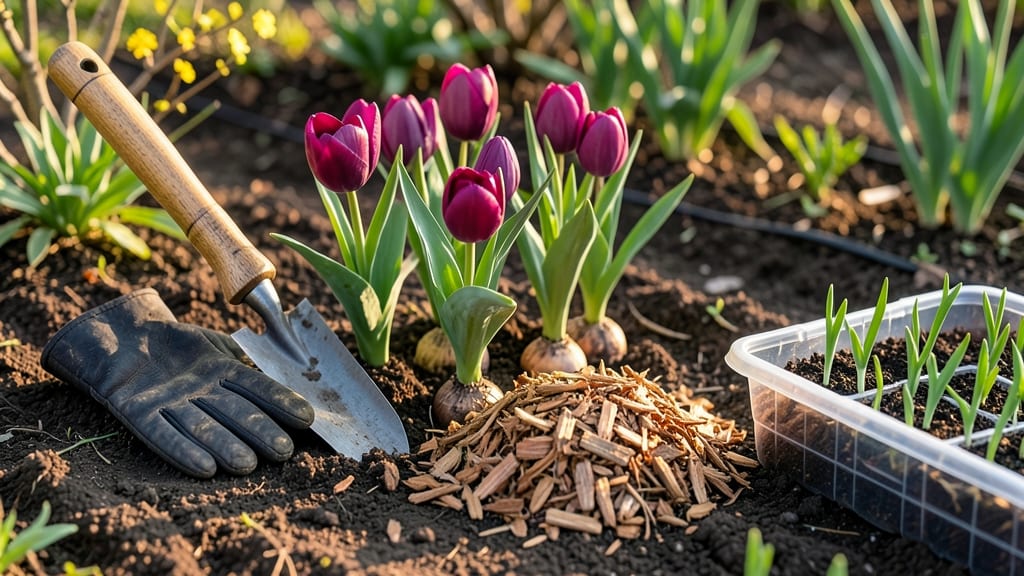
Timing your spring flower planting wrong can mean wilting blooms before they even emerge—but getting it right guarantees vibrant gardens all season long. The secret? Planting exactly 3 weeks before your last frost date ensures your 🌸 flowers thrive without frost risk.
I’ve tested this method for years, and the difference is night and day. Whether you’re a seasoned gardener or just starting, this simple rule takes the guesswork out of spring planting. No more second-guessing or last-minute scrambles to protect tender seedlings.
In this guide, I’ll show you exactly how to calculate your frost date, which flowers to plant when, and pro tips to extend your planting window safely. You’ll learn how to prepare your soil, avoid common mistakes, and even plant a little earlier or later without risking frost damage.
Ready to transform your garden into a blooming paradise? Let’s get started with the one timing trick that makes all the difference.
How to calculate your exact last frost date for perfect flower planting timing
Finding your last frost date is the #1 factor in determining when to plant spring flowers. This date marks the average final frost of the season, and planting 3 weeks before ensures your seedlings survive any late cold snaps. But how do you find it?
Start by checking your USDA Hardiness Zone—this divides the U.S. into 13 zones based on climate. Most gardeners in Zone 5-7 experience last frosts between April 15-30, while Zone 8+ may see them as late as May 15.
For precise timing, use the National Oceanic and Atmospheric Administration (NOAA) frost maps or local agricultural extension services.
Next, account for microclimates—your yard’s unique conditions. South-facing slopes warm faster than shaded areas, and valleys collect cold air. If you live in a high-altitude area, subtract 1-2 weeks from your zone’s average since cold air settles at higher elevations.
For a 3-year average, check historical data from Almanac.com or Weather.com. For example, if your zone’s last frost is April 20 but the past 3 years saw frosts on April 25, May 2, and April 18, average them to April 25 for accuracy.
🌡️ Last Frost Date Guide by USDA Zone
| Zone | Avg. Last Frost | Planting Window | Adjustments |
|---|---|---|---|
| 3-4 | May 5-15 | April 20-May 5 | Use row covers |
| 5-6 | April 15-30 | March 30-April 15 | Cold frames for early starts |
| 7-8 | March 15-April 15 | February 28-March 15 | Direct sow after March 1 |
| 9-10 | February 15-March 1 | January 15-February 15 | Year-round planting possible |
💡 Pro Tip: Subtract 1 week for high-altitude areas (e.g., mountains) and add 1 week for urban heat islands.
If you’re unsure, use the "50% chance" rule—plant when there’s a 50% or lower chance of frost in the next 10 days. Tools like FrostClock (frostclock.com) provide real-time forecasts based on your ZIP code.
For container gardening, you can plant 2 weeks earlier since pots warm up faster. However, avoid planting hardy annuals like pansies too early—they may bolt (produce seeds) if exposed to consistent cold for weeks.
Once you’ve nailed your frost date, mark it on your calendar and prep your soil 1 week ahead. Loosen the top 6 inches of soil, mix in compost, and water deeply to encourage root growth before planting.
Remember: Perennials (like coneflowers) can handle light frost, but tender annuals (like marigolds) need warmth. Always check seed packets for cold tolerance ratings—some can survive 28°F, while others wilt at 40°F.
By mastering your frost date, you’ll avoid the heartbreak of frost-nipped seedlings and enjoy a longer bloom season with vibrant, healthy flowers all spring and summer. 🌸
Best spring flowers to plant by region (cool vs warm climates)
Not all spring flowers thrive in every climate—cool Northern regions and warm Southern zones have very different planting windows. For example, pansies and snapdragons love cool weather, while marigolds and zinnias need warmth to germinate. Let’s break down the ideal planting times for your area.
First, check your USDA hardiness zone—this determines when to plant. Zones 3-5 (cool climates) can start as early as March, while zones 7-10 (warm climates) should wait until April or May. Mountain regions? Add 1-2 weeks later due to colder microclimates.
🌸 COOL CLIMATE FAVORITES (Zones 3-6)
| Flower | Planting Time | Frost Tolerance | Sun Needs |
|---|---|---|---|
| Pansies | March-April | Hardy to 20°F | Full sun to part shade |
| Sweet Peas | April (after frost) | Hardy to 15°F | Full sun |
| Lupines | April-May | Hardy to 10°F | Full sun |
For warm climates (Zones 7-10), focus on heat-loving annuals like cosmos and sunflowers. These handle 80°F+ soil and can even be planted in late spring (May-June). Pro tip: Start seeds indoors 6-8 weeks before your last frost to give them a head start.
Bulbs like daffodils and tulips? Plant them in fall (October-November) for spring blooms—never plant them in spring! Their roots need cold to trigger flowering. For perennials like coneflowers, divide and transplant in early spring (March-April) while soil is workable but not soggy.
Regional tweaks matter! In Pacific Northwest, plant 2 weeks later than the general rule due to coastal fog delays. In the Southeast, avoid planting before April—humidity and late frosts are risky. Always monitor your local weather forecasts for unexpected cold snaps.
Ready to pick your perfect blooms? Grab a gardening journal to track your local frost dates and adjust planting times yearly. Your spring garden dreams start with the right flowers—and the right timing! 🌷