
Plants
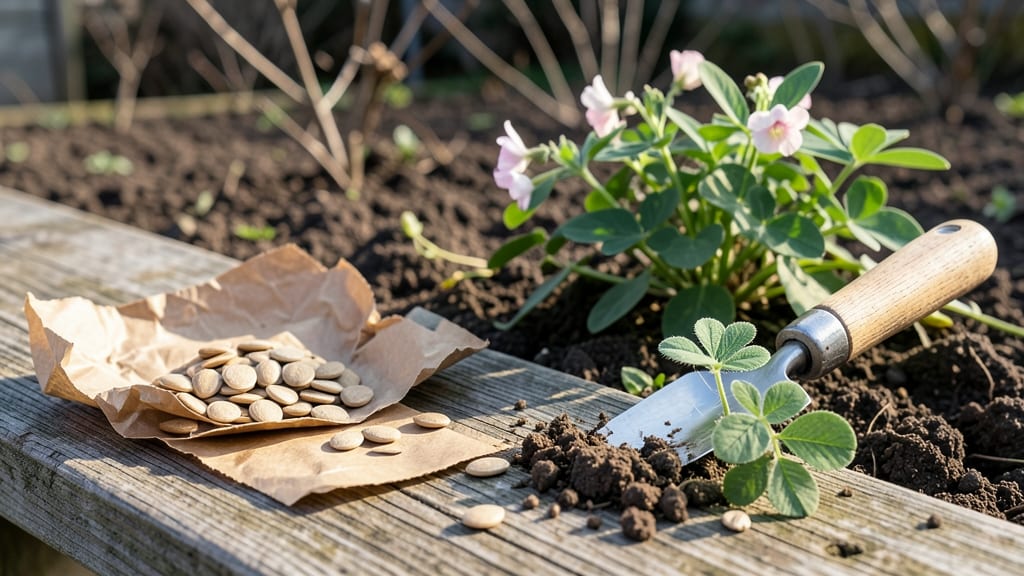
Timing your fava bean planting in Zone 8 can make or break your harvest—get it wrong, and you might end up with bitter pods or no crop at all. These cool-weather lovers 🌱 need just the right conditions to thrive, and knowing when to plant is the key to success.
In Zone 8, you’ve got two prime windows: fall (October–December) or early spring (February–March). Fall planting lets you harvest early, while spring planting avoids winter’s chill.
The trick? Avoid planting too late in spring—once temperatures climb above 75°F, your fava beans will bolt faster than you can say "pasta dish."
But here’s the thing: Zone 8’s mild winters mean you can push the envelope a little. With the right prep—like mulching or row covers—you can even extend your growing season.
I’ll show you exactly how to time it right, whether you’re a first-timer or a seasoned gardener looking to maximize your yield.
Ready to grow fava beans that actually produce? Let’s break down the best months, what to watch for, and how to avoid common mistakes that derail even the most eager gardeners.
Best planting months for fava beans in Zone 8: fall vs. winter timing
Zone 8 gardeners have a unique advantage with fava beans—their mild winters create two ideal planting windows instead of just one. Unlike northern climates, you can plant fall or early winter for a spring harvest, or late winter for a summer crop.
The key is timing these plantings to avoid heat stress or late frosts that can ruin your crop.
Fava beans thrive in cool temperatures (50–75°F), making them perfect for Zone 8’s fall and winter seasons. Plant too late, and your beans may bolt (flower prematurely) when spring heat arrives.
Plant too early, and they might struggle with overwintering in cooler microclimates like coastal areas or higher elevations within Zone 8.
For most of Zone 8, the optimal planting window spans from mid-October to late November for a spring harvest, or January to early February for a summer crop.
These timings align with soil temperatures that stay above 40°F but avoid summer’s oppressive heat. Let’s break down the best strategies for each approach.
| Planting Window | Ideal Months | Soil Temp (°F) | Frost Risk | Harvest Time |
|---|---|---|---|---|
| Fall Planting | Mid-October to Late November | 50–65°F | Low (after first frost) | March–May |
| Early Winter Planting | January–Early February | 45–60°F | Moderate (protect with mulch) | June–August |
| Late Winter Planting | Late February–Early March | 55–70°F | None (spring warmth) | May–July |
In Zone 8, fall planting (October–November) is my top recommendation for first-time growers. The cool nights and mild days create ideal conditions for seed germination and early growth.
By planting 6–8 weeks before the first frost (typically mid-December in Zone 8), your beans will establish roots before winter slows them down. A 3-inch layer of straw mulch around plants adds insulation and retains moisture during occasional winter rains.
For a summer harvest, aim for January–February plantings. This timing lets you take advantage of Zone 8’s warm winters while avoiding the peak summer heat that can cause bolting.
If you’re in a cooler pocket of Zone 8 (like higher elevations), opt for late February to give the soil time to warm. Always test soil temperatures with a thermometer—ideal germination occurs at 50–65°F.
One common mistake in Zone 8 is waiting until March or April to plant fava beans, thinking it’s too late for fall crops. But by then, the soil is often too warm, and beans may struggle to establish before summer arrives.
Instead, treat fall planting as your primary strategy and use winter plantings as a backup for summer harvests.
Pro tip: If you’re growing fava beans for green manure (cover crop), plant in late fall (November–December) and till under in early spring before they flower. This timing maximizes nitrogen fixation without competing with your main crops.
Remember, Zone 8’s microclimates vary widely. Coastal areas like San Diego may have warmer winters and can plant up to 2 weeks later than inland areas like Phoenix. Always check your local frost dates and adjust accordingly.
With the right timing, you can enjoy two harvests per year—one in spring and another in summer—while avoiding the pitfalls of heat stress or frost damage. Start with fall plantings, monitor soil temps, and soon you’ll master the art of growing fava beans in Zone 8.
Best planting months for fava beans in Zone 8: fall vs. winter timing
Fava beans love cool weather, but in Zone 8, timing is everything. Unlike northern climates, Zone 8’s mild winters and warm springs mean you can plant fava beans in two prime windows: fall and early winter.
The key is avoiding summer’s heat, which can cause fava beans to bolt prematurely or struggle to thrive.
For most Zone 8 gardeners, the sweet spot is planting between October and November for a winter crop. This gives plants time to establish roots before the mild winter sets in.
Alternatively, you can plant in January or February for a spring harvest, but this window is riskier due to unpredictable late frosts.
Zone 8’s frost-free season is shorter than northern regions, but its mild winters (average lows of 30–40°F) allow fava beans to grow year-round if protected. The last frost date in Zone 8 is typically around December 15, while the first frost arrives around January 15.
Planting too late in fall risks frost damage, while planting too early in spring may expose plants to heat stress.
🌱 Fava Bean Planting Window Comparison
| Season | Best Planting Months | Soil Temp (°F) | Frost Risk | Harvest Window |
|---|---|---|---|---|
| Fall | October–November | 50–65°F | Low (mild winters) | March–May |
| Winter | January–February | 45–55°F | Moderate (late frosts possible) | May–June |
| Spring | Late February–March | 55–70°F | None (heat risk) | June–July |
If you’re planting in fall, aim for 6–8 weeks before the first frost (around November 15 in most of Zone 8). This timing ensures plants mature before winter’s chill sets in.
For spring planting, sow seeds 4–6 weeks before the last frost (around February 15), but be prepared to use row covers if late frosts threaten.
Zone 8’s southern regions (like San Diego or Phoenix) have warmer winters, so you can plant as late as December for a spring harvest. Meanwhile, northern parts of Zone 8 (like Las Vegas or Albuquerque) may need to plant earlier in October to avoid frost.
Always check your local microclimate—valleys and low-lying areas can stay colder longer.
Pro tip: Test your soil temperature before planting. Fava beans germinate best in soil between 50–70°F. If your soil is warmer, wait until evening to plant or use shade cloth to cool the ground.
With the right timing, you’ll enjoy sweet, tender fava beans twice a year—once in spring and again in summer from fall-planted crops!