
Planting
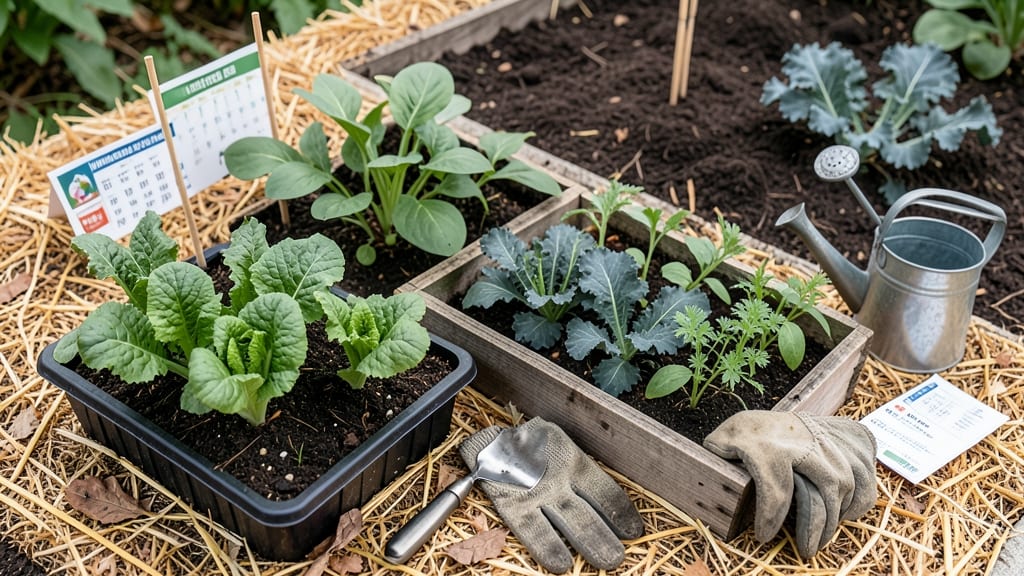
When to plant a garden in Washington, DC isn’t just about throwing seeds into the dirt—it’s about beating the unpredictable frosts that can turn your hard work into a sad, wilted mess. With last frosts lingering until mid-April and first frosts creeping in by November, knowing the exact windows for planting your General Garden 🌱 makes all the difference.
You’ve got two golden opportunities: late March through early April for spring crops, or late August to early September for a fall harvest. But here’s the catch—DC’s urban heat islands and microclimates mean your neighbor’s success might not match yours.
Whether you’re growing tomatoes in a backyard or herbs on a balcony, getting the timing right ensures your plants thrive, not just survive.
I’ll break down the month-by-month schedule for vegetables, flowers, and herbs, so you can avoid the common pitfalls—like planting warm-season crops too early or cool-season ones too late. Plus, I’ll share pro tips for adjusting to DC’s quirks, like using row covers or choosing the right containers for urban spaces.
Ready to turn your gardening dreams into a bountiful reality? Let’s dive into the perfect planting calendar for Washington, DC’s unique climate—no guesswork, just growth.
Washington DC’s planting zones & exact frost-free dates by month
Washington DC sits in USDA Hardiness Zones 7b-8a, meaning we enjoy mild winters and warm summers—but that doesn’t mean frost isn’t a threat. The last average frost date hovers around April 15–May 10, while the first frost typically arrives between October 15–November 1.
These dates can shift dramatically based on microclimates, like the urban heat island effect in downtown DC versus cooler suburban areas in Arlington or Alexandria.
To avoid frost damage, I always check the National Weather Service’s DC frost alerts and use local gardeners’ reports from groups like the DC Master Gardeners.
For example, cool-season crops like spinach and peas can go in the ground as early as late February if you use row covers, while warm-season crops like tomatoes and peppers need to wait until mid-May when soil temps hit 60°F+.
Here’s the month-by-month breakdown of what you can plant in DC, tailored to our unique climate:
| Month | Cool-Season Crops (Direct Sow) | Warm-Season Crops (Start Indoors) | Fall Planting Window |
|---|---|---|---|
| February | Peas, Spinach, Lettuce (with row covers) | Tomatoes, Peppers, Basil (seedlings) | Kale, Carrots, Radishes |
| March | Broccoli, Cabbage, Onions | Eggplant, Okra, Sweet Potatoes | Green Beans, Beets, Swiss Chard |
| April | Peas (late April), Radishes, Arugula | Hardening off seedlings for transplant | Lettuce, Spinach, Turnips |
| May | None (risk of late frost) | Transplant tomatoes, peppers, cucumbers | Bush Beans, Cucumbers, Zucchini |
| June–August | N/A (too hot for cool crops) | Succession plant basil, cilantro | Plant fall crops after July 4th |
| September | Kale, Collards, Lettuce | N/A | Broccoli, Cabbage, Onions |
For urban gardeners with limited space, I recommend focusing on container-friendly crops like bush beans, cherry tomatoes, and herbs. These thrive in pots and can be moved to sunnier spots if needed.
Meanwhile, suburban gardeners with yard space should prioritize row covers for early spring planting and mulch to protect fall crops from early frosts.
Pro tip: Use a soil thermometer to confirm when to plant warm-season crops. Soil temps below 60°F will stunt their growth. I’ve had tomato seedlings wilt dramatically when planted too early—always wait for the soil, not just air, to warm up!
DC’s humidity and heat waves can also throw off planting times. If you’re unsure, I suggest starting warm-season crops indoors in March and transplanting after the May 10 frost date. This gives you a head start and maximizes your harvest before summer’s intensity peaks.
Remember, fall planting is just as crucial as spring. Many of my favorite crops—like kale, carrots, and radishes—thrive in DC’s cooler fall weather. Aim to plant these by late August for a late-October harvest before the first frost.
🌱
Best crops to plant in DC’s spring vs. fall: a survival guide
Washington DC’s two distinct planting seasons—spring and fall—offer prime opportunities for gardeners, but each demands a different strategy. Spring brings cool-season crops like kale, peas, and broccoli that thrive in 50–65°F soil, while fall lets you squeeze in heat-loving tomatoes, peppers, and basil before the first frost.
The key? Understanding DC’s microclimates, where urban areas like Capitol Hill can be 5–10°F warmer than suburban neighborhoods like Arlington.
For spring planting, start seeds indoors by mid-February for transplants ready by April 15—the average last frost date. Cool-season crops like lettuce, spinach, and radishes can even handle light frosts, making them ideal for early sowing.
Meanwhile, warm-season crops such as cucumbers and beans need to wait until after May 10, when soil temperatures consistently stay above 60°F.
Spring vs. Fall Planting in DC
| Season | Best Crops | Planting Window | Pro Tip |
|---|---|---|---|
| Spring | Kale, Peas, Broccoli, Lettuce | March 15–April 30 | Use row covers for frost protection. |
| Fall | Tomatoes, Peppers, Basil, Carrots | August 15–September 30 | Choose fast-maturing varieties for harvest before frost. |
Fall planting in DC is all about extending the season. Start warm-season crops like tomatoes and peppers indoors by mid-July for transplants ready by August 15. For cool-season crops such as carrots and spinach, direct-sow by late August to harvest before the first frost around November 15.
Urban gardeners in heat islands may push fall planting a week later, but always monitor soil temperatures—they should stay above 55°F for optimal growth.
To beat DC’s unpredictable weather, use row covers or cold frames to protect early spring plants from late frosts. For fall, black plastic mulch can warm soil and jumpstart growth.
Container gardening is another lifesaver for balconies and small spaces, allowing you to move plants to sunnier spots as seasons shift. My go-to trick? Plant fast-maturing varieties like bush beans or zucchini—they’ll reward you with harvests before summer’s heat peaks.
Don’t overlook herbs like basil and cilantro, which thrive in DC’s climate when planted at the right time. Basil, for example, bolts in heat, so sow it in early spring or late summer for continuous harvests.
Meanwhile, cilantro loves cool weather and can be direct-sown in fall for a winter harvest. With these strategies, you’ll turn DC’s short growing season into a year-round gardening success.
Remember: Soil prep is non-negotiable. Amend your beds with compost and aged manure in early spring to give plants a nutrient boost. For fall, focus on drainage—DC’s heavy clay soil can become waterlogged as temperatures drop.
A little planning now means bigger harvests later, whether you’re growing veggies, flowers, or herbs.
🌱