
Plants
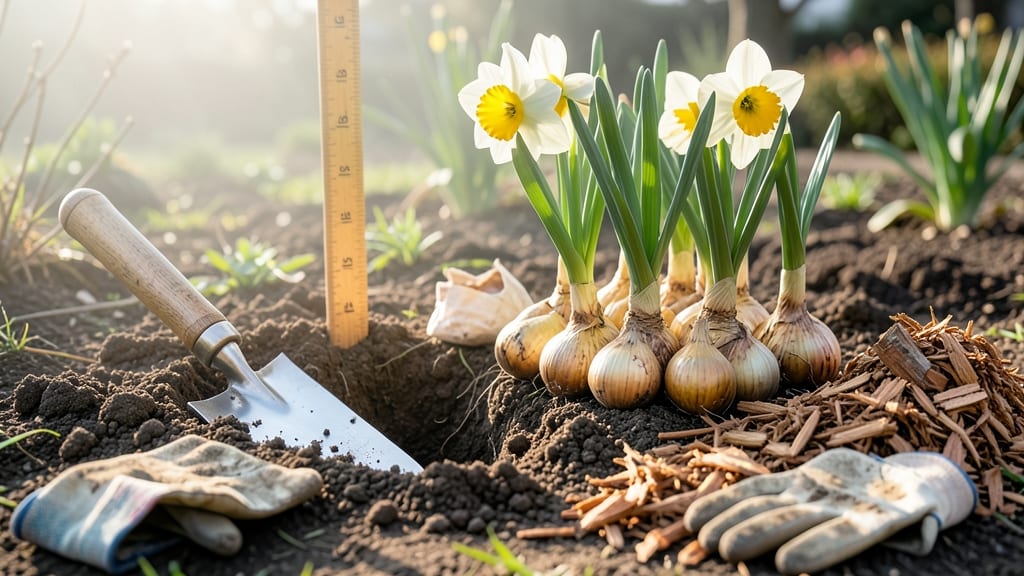
Planting daffodils in Washington State at the wrong time could mean missed blooms or bulbs wasted before spring—so timing is everything. With zones ranging from 6b to 9a, your local frost dates and soil conditions play a bigger role than just picking a month.
Whether you're in Seattle, Spokane, or Yakima, the 4-6 week window before the ground freezes is your golden opportunity.
Most gardeners in Washington know fall is the season for daffodils 🌼, but the exact timing varies dramatically across the state. In colder zones like Spokane (6b), you’ll want to plant by early November, while Seattle’s milder climate (8b) gives you flexibility until December.
The key? Getting those bulbs in when soil temps drop to 50-60°F—not too early (risking rot) and not too late (risking frost damage).
Don’t let Washington’s unpredictable weather throw you off—this guide breaks down the best planting months by zone, plus soil prep tips to ensure your daffodils thrive.
We’ll also cover regional tricks, like adjusting for microclimates or choosing the right bulb varieties for your area. Ready to plant with confidence? Let’s get started.
From Puget Sound to Eastern Washington, your daffodils deserve the perfect start. Whether you’re a first-time planter or a seasoned gardener, these insights will help you avoid common mistakes and set up your garden for stunning spring blooms. Let’s make this your most successful planting season yet!
Washington State daffodil planting calendar by hardiness Zone (USDA 6-9)
Planting daffodils in Washington State requires precision—your USDA hardiness zone dictates the exact window to plant before the ground freezes. In Zone 6b (Spokane, Wenatchee), aim for mid-October to early November, while Zone 8b (Seattle, Olympia) can extend planting until mid-December.
These dates ensure bulbs establish roots before winter but avoid frost heave.
Timing is critical because Washington’s first frost dates vary wildly: October 15 in Eastern WA vs. November 15 in Western WA. Planting too late risks bulbs rotting in soggy soil, while early planting can expose them to frost heave—when freezing/thawing cycles push bulbs to the surface. Balance is key.
Here’s your zone-specific planting calendar with frost-risk analysis to help you pick the perfect window:
| Zone | Ideal Planting Window | Frost Risk | Soil Temp Goal | Local Examples |
|---|---|---|---|---|
| 6a/6b | Mid-October to early November | High (first frost: Oct 15) | 45–55°F | Spokane, Wenatchee, Pullman |
| 7a/7b | Late October to mid-November | Moderate (first frost: Nov 1) | 50–60°F | Yakima, Moses Lake, Wenatchee |
| 8a/8b | November to mid-December | Low (first frost: Nov 15) | 55–65°F | Seattle, Olympia, Tacoma |
| 9a | December (early only) | Very Low (first frost: Dec 1) | 60–65°F | Vancouver, Bellingham |
For Zone 6b, like Spokane, early planting in October gives bulbs time to root before the ground freezes. In Zone 8b, Seattle gardeners can push planting to December, but only if soil temps stay above 55°F.
Use a soil thermometer to confirm readiness—bulbs need 6–8 weeks to establish roots before winter.
Pro tip: In Puget Sound, microclimates near water (like Bainbridge Island) can delay frost by 2–3 weeks. Monitor local Almanac frost dates and adjust your window accordingly. If you’re unsure, err on the earlier side—daffodils tolerate cooler soil better than soggy winter conditions.
Washington’s rainfall patterns also play a role. In Western WA, overcast skies in late fall can keep soil damp longer, while Eastern WA may experience early freezes. Always plant when soil is workable but not waterlogged—stick a trowel in the ground; if it’s easy to push, it’s ready.
Finally, consider local nurseries like Bare Root Nursery (Moses Lake) or Swansons Nursery (Seattle) for Washington-adapted daffodil varieties. Some, like ‘Ice Follies’ or ‘Tête-à-Tête’, thrive in our climate and bloom reliably year after year.
🌼
Critical factors that determine your planting window (beyond just months)
Washington State’s microclimates and soil conditions can shift your ideal daffodil planting window by 2-4 weeks, even within the same city. For example, Seattle’s Puget Sound region stays milder longer than inland areas like Yakima Valley, where frost arrives earlier.
Understanding these factors ensures your bulbs establish roots before winter sets in.
One of the biggest factors is soil temperature. Daffodils need soil to cool to 50-60°F before planting—too warm, and bulbs rot; too cold, and they fail to root.
In Zone 6b (like Spokane), soil may hit this range by mid-October, while Zone 8b (Seattle) might wait until November. Always check with a soil thermometer or wait until nighttime lows consistently drop below 60°F.
Key Takeaway
Soil temperature matters more than calendar dates. Plant when soil is 50-60°F, not just when the month aligns with your zone’s guidelines.
Rainfall patterns also play a role. Overly wet soil in late fall can suffocate bulbs, while drought-like conditions may stress them before winter. In Western WA, where rain is frequent, plant earlier (late September to October) to avoid waterlogged soil.
In Eastern WA, where winters are drier, you can extend planting into December as long as soil temps allow.
Local microclimates further complicate timing. A south-facing slope in your yard may stay warmer longer than a north-facing garden bed, delaying frost by weeks.
If you’re unsure, observe nearby established daffodil beds or ask local nurseries (like Swansons Nursery in Western WA or Bellevue Bulbs in Eastern WA) for region-specific advice.
Finally, bulb quality and preparation affect your window. Planting certified disease-free bulbs (like those from Bare Root Nursery) gives them a head start. Soak bulbs in lukewarm water for 12 hours before planting to kickstart root growth—this can buy you 1-2 extra weeks of flexibility in marginal zones.
Master these factors, and you’ll avoid the guesswork of Washington’s fickle weather. Next, we’ll cover the costly mistakes that even experienced gardeners make when planting daffodils in WA’s unique conditions. 🌿