
Plants
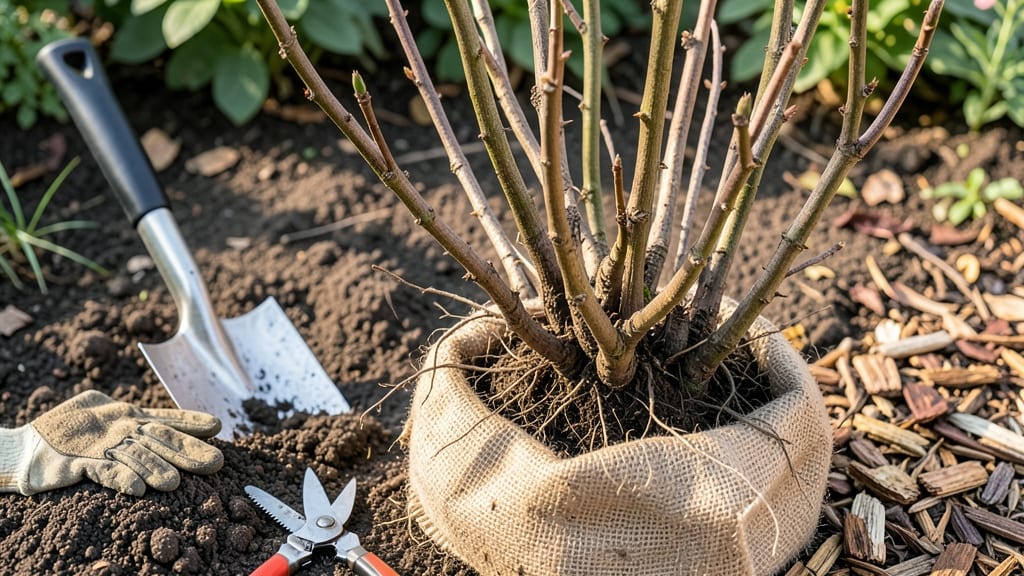
Planting bare root roses in California at the wrong time can turn your dream garden into a sad pile of dead stems—especially when traditional advice doesn’t account for our mild winters and warm soils.
The key to success lies in understanding your specific USDA zone, whether you're in coastal Zone 9b-10a or inland 7b-11, where frost risks and soil temperatures behave very differently.
Most gardeners assume early spring is the only window, but in California, your 🌹 bare root roses actually thrive when planted between November and March. This timing aligns with their natural dormancy cycle, giving roots time to establish before the heat of summer arrives.
Skipping this window means risking heat stress or poor root development.
What makes California unique is how microclimates shift planting needs—coastal areas rarely see frost, while inland valleys can still have chilly nights.
I’ll break down exactly when to plant in each zone, plus how to prep your soil and care for your roses so they grow healthy and strong from day one.
By the end, you’ll know not just when to plant, but how to set your roses up for years of vibrant blooms—no guesswork, just science-backed timing tailored to California’s diverse growing conditions.
Optimal bare root rose planting windows in California by USDA Zone
California’s diverse climate—from frost-free coastal areas to inland valleys with mild winters—means one-size-fits-all planting advice won’t work. Unlike colder regions, bare root roses thrive when planted during dormancy, but the exact window varies by USDA Zone and microclimate.
In Zone 9b-10a (coastal), you can plant year-round with minimal risk, while Zone 8 (inland valleys) requires careful timing to avoid early spring heat stress.
For most of California, the ideal planting window stretches from November to March, aligning with cooler temperatures and reduced pest pressure.
However, Southern California (Zone 10b+) gardeners can plant as late as April for heat-tolerant varieties like 'Knock Out' roses, while Northern California (Zone 8) should finish by early March to avoid sudden warmth.
Here’s how to adjust your timing based on your specific USDA Zone and local conditions:
Coastal gardeners in Zone 9b-10a enjoy the most flexibility, but even here, planting in late winter (February-March) gives roots time to establish before summer’s intensity. Inland Zone 8 areas must act faster—November-December is critical to beat the 60°F soil temperature threshold, which signals wake-up time for dormant roots.
Pro tip: Check your local frost dates (e.g., Sacramento’s last frost is Dec 15, while San Francisco rarely sees frost). Use this as your planting deadline—any later, and roots may sprout too soon, leading to transplant shock when summer heat arrives.
For heat-sensitive varieties like 'David Austin English Roses', prioritize November planting in Zone 8. In Zone 10b+, focus on October-November to avoid the 100°F+ summers that stress young roots. Always soak bare roots for 1-2 hours before planting to rehydrate them after dormancy.
Soil temperature is your best guide. Use a soil thermometer to confirm temps are below 60°F at planting time. In Southern California, this often means waiting until January, while Northern California can start as early as November.
Timing this right ensures your roses bloom vigorously from year one.
🌹
Optimal bare root rose planting windows in California by USDA Zone
California’s diverse climate means your USDA Zone dictates the perfect window for planting bare root roses. Unlike colder regions, where early spring is the only option, California gardeners can plant from November through March.
This extended window accounts for our mild winters and warm soils, ensuring roots establish before summer heat arrives.
In Zone 9b-10a (coastal areas), like San Diego or Santa Barbara, you can plant as late as early March—frost is rare, and soil stays warm.
But in Zone 8 (inland valleys like Sacramento or Fresno), aim for November to February to avoid late-winter frosts that can damage tender new growth.
Here’s how to align your planting with California’s microclimates for maximum success:
| USDA Zone | Best Planting Window | Key Considerations |
|---|---|---|
| 9b-10a (Coastal) | November–March | No frost risk; soil stays warm. Late March is safe for heat-tolerant varieties. |
| 8 (Inland Valleys) | November–February | Frost possible until late February; avoid planting after March 1. |
| 7b (High Desert) | October–December | Cold winters; plant early to allow root establishment before dormancy. |
🌹 Pro Tip: Check your local first frost date—even in Zone 10, unexpected chills can occur.
For coastal gardeners, the November–January window is ideal because soil temperatures stay mild, reducing transplant shock. Inland gardeners should prioritize November–December to give roots time to harden before potential frost.
If you miss this window, wait until October of the following year—planting in April or later risks heat stress.
Another critical factor is soil temperature. Bare root roses need soil at least 50°F (10°C) for roots to wake from dormancy. In Southern California, this happens by mid-February, while in Northern zones, it’s closer to late March. Use a soil thermometer to confirm before planting.
Timing isn’t just about the calendar—it’s about aligning with your rose’s natural cycle. Planting in late winter lets roots establish before the summer drought stress hits.
For example, a Knock Out® rose planted in January in Zone 9b will bloom by April, while one planted in April may struggle through the heat.
Finally, adjust for microclimates. A San Francisco garden (Zone 9b) can plant later than a Sacramento yard (Zone 8) because coastal areas have warmer winters and less frost risk. Always observe your local weather patterns—California’s diversity means one-size-fits-all advice fails here.