
Plants
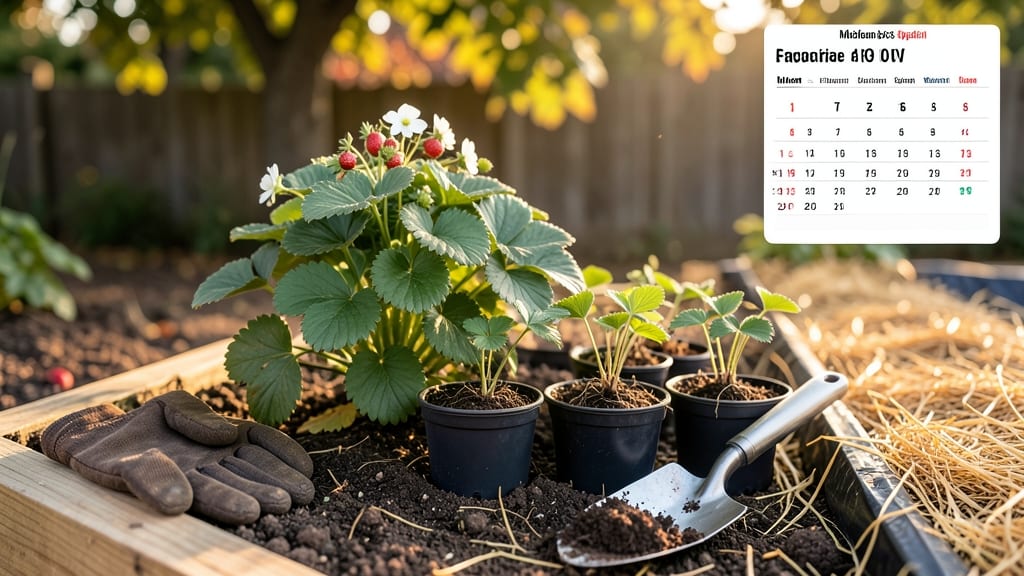
Planting strawberries in Michigan isn’t just about throwing seeds in the dirt—it’s about catching that 4-week pre-frost window that makes all the difference between a thriving patch of 🍓 and a sad, half-frozen disappointment.
Michigan’s USDA Zones 5-6 mean frost can sneak up fast, especially if you’re in the northern part of the state. Too early, and your plants won’t establish strong roots before winter’s first chill.
Too late, and you’ll miss the sweet spot for next summer’s harvest. The key? Timing it right—whether you’re planting bare-root crowns in early spring or ever-bearing varieties in late summer.
I’ve seen firsthand how a few weeks can turn a struggling strawberry bed into a lush, productive garden. The secret isn’t just about the calendar—it’s about soil prep, variety selection, and knowing when to mulch to protect those tender roots.
Let’s break down exactly when, why, and how to plant for Michigan’s unpredictable climate.
Ready to avoid the common mistakes that ruin strawberry planting? You’ll learn how to adjust for your specific frost zone, choose the right plants for your timeline, and even extend your harvest season. Let’s get those strawberries growing strong!
Michigan strawberry planting timeline: best months and frost zones
Michigan’s USDA Zones 5a-6b mean strawberries face late spring frosts and early fall freezes, so timing is critical. Plant too soon, and frost will kill tender roots; too late, and your harvest suffers.
The key is a 4-week window before the first frost, which in most of Michigan falls between mid-September and mid-October.
For spring planting, aim for late March to early April when soil temperatures reach 40°F (4°C). This gives roots time to establish before summer heat sets in. Southern Michigan (Zone 6b) can start slightly earlier, while northern areas (Zone 5a) may need to wait until mid-April.
Fall planting is trickier but possible for ever-bearing varieties. Plant in August to early September, ensuring roots establish before winter. Bare-root plants adapt better to Michigan’s climate than potted ones, as they handle soil temperature shifts more effectively.
Soil temperature is your best guide: use a soil thermometer to confirm it’s at least 40°F (4°C) before planting. Cold soil slows root growth, leaving plants vulnerable to frost damage.
Michigan’s microclimates matter—urban areas may warm up faster than rural spots. Observe your garden’s frost patterns for 2-3 years to refine your timing. A nearby weather station or local extension office can provide historical frost dates for your area.
Here’s how Michigan’s frost zones break down for strawberry planting:
| Zone | Spring Planting Window | Fall Planting Window | Soil Temp Threshold | First Frost Date |
|---|---|---|---|---|
| Zone 5a (Northern MI) | Mid-April to early May | Late August | 40°F (4°C) | Mid-September |
| Zone 5b (Central MI) | Late March to April | Early to mid-September | 40°F (4°C) | Late September |
| Zone 6a (Southern MI) | Early March to April | Mid-September | 40°F (4°C) | Early October |
| Zone 6b (Southwest MI) | Late February to March | Early October | 40°F (4°C) | Mid-October |
For June-bearing varieties, focus on spring planting—they produce one large harvest in June-July. Ever-bearing varieties (like 'Ozark Beauty' or 'Seascape') can handle fall planting for a late-summer harvest, but only if planted early enough.
Pro tip: Use row covers in early spring to protect young plants from late frosts. These lightweight fabrics raise soil temperatures by 5-10°F (3-6°C), giving roots a head start. Remove covers once daytime temps consistently stay above 50°F (10°C).
Michigan’s short growing season means strawberries need every advantage. Planting at the right time ensures your berries thrive despite the climate challenges. Next, we’ll cover how to adjust planting dates based on your specific microclimate or container setup.
🍓
How to time strawberry planting for maximum yield in Michigan’s climate
Michigan’s variable climate means your strawberry planting success hinges on more than just the calendar—it’s about reading your microclimate and adjusting for container vs. in-ground growing.
If you’re in southern Michigan (Zone 6b), you might snag an extra week or two of growing time compared to northern Michigan (Zone 5a). Even a south-facing slope can give you 2-3 weeks of earlier planting, while a shady low spot could delay your harvest by weeks.
For maximum yield, aim to plant ever-bearing varieties in late summer (August)—they’ll produce a fall harvest before frost hits. June-bearing types, however, need that early spring (March-April) window to establish roots for next summer’s bounty.
I’ve found that bare-root plants thrive when soil temps hit 40°F (4°C), while potted varieties can handle slightly cooler soil and give you flexibility in timing.
🌱
One of my biggest mistakes was planting June-bearing strawberries in early March—the cold soil stalled root growth, and I lost 30% of my plants to frost heave. Since then, I’ve sworn by soil thermometers and mulch blankets to protect young plants.
For container gardening, I move pots to sheltered spots in late fall to shield them from early frosts that can blacken leaves overnight.
If you’re aiming for a year-round harvest, mix June-bearing and ever-bearing varieties. Plant June-bearers in early spring for a summer harvest, then add ever-bearers in late summer for fall fruit.
Just remember: ever-bearing types need consistent watering to keep producing—drought stress can halt fruit set entirely.
For northern Michigan gardeners, consider row covers or cold frames to extend your season. I’ve had success with floating row covers in May and September, which add 2-4°F of warmth and protect against light frosts.
The trade-off? You’ll need to pollinate by hand if covers stay on during flowering—just give the plants a gentle shake every few days.
🌿