
Plants
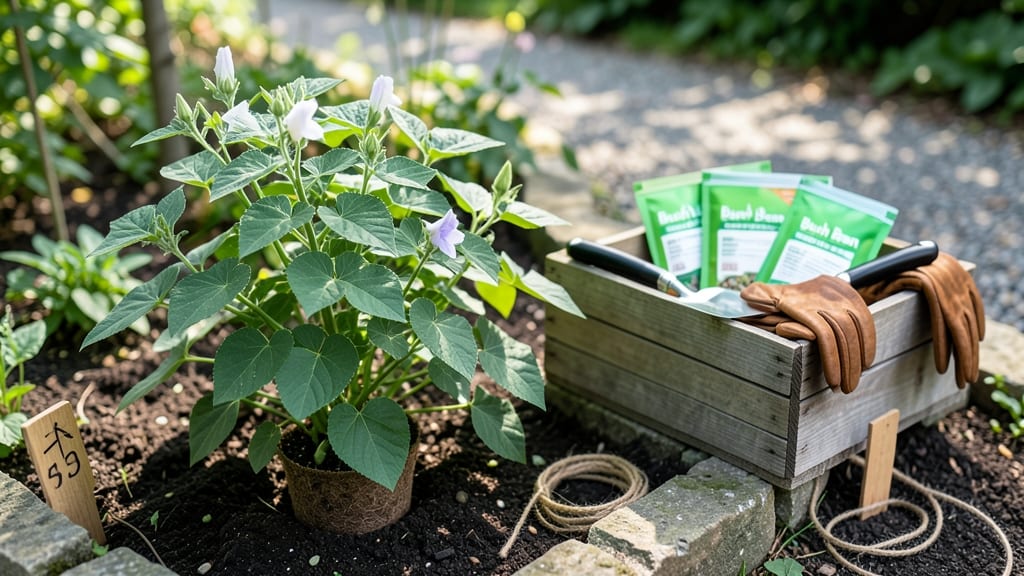
Timing your bean planting in Maine isn't just about following a calendar—it's about beating the clock before frost steals your harvest. With 5b-6b winters and unpredictable springs, knowing when to plant 🌱 beans can mean the difference between a garden full of pods and a season of missed opportunities.
Most gardeners in Maine wait until mid-May to early June, after the last frost date, but there's more to it than just dates. Soil temperature matters just as much—beans need warm soil to germinate, and cold frames or black plastic mulch can give you a head start in chilly conditions.
I've learned the hard way that planting too early can leave your beans struggling in cool soil, while waiting too long risks running out of time before the first frost in October. The key is balancing patience with action, choosing the right varieties, and preparing your soil properly.
In this guide, I'll walk you through the exact planting windows, soil prep secrets, and cold-hardy varieties that thrive in Maine's climate. Let's make sure your bean plants get the best possible start—and give you a harvest to be proud of.
Maine bean planting calendar: exact dates and frost-resistant varieties
Timing is everything when growing beans in Maine, where frost dates can shift unpredictably. The last average frost typically arrives around May 15, but coastal areas may see warmer conditions a week earlier.
Inland regions should wait until late May to avoid late frosts that can devastate tender seedlings.
For pole beans and bush beans, the sweet spot is planting 2 weeks after your last frost date. This gives soil time to warm to at least 60°F, which is critical for germination.
If you're eager to start earlier, consider cold frames or row covers to protect young plants from chilly nights.
Here’s a quick reference for Maine’s bean planting windows based on microclimates:
| Planting Window | Soil Temp | Cold-Hardy Varieties | Notes |
|---|---|---|---|
| Coastal Maine (Zone 5b) | 55°F+ | Purple Hull, Contender | Plant May 1-15; warmer coastal soil germinates faster. |
| Inland Maine (Zone 5a) | 60°F+ | Kentucky Wonder, Tendergreen | Wait until May 15-30; use black plastic mulch to warm soil. |
| Succession Planting | 60°F+ | Blue Lake, Roma II | Sow every 2 weeks through July 15 for staggered harvests. |
For pole beans, which take longer to mature, focus on early planting (May 1-15) to maximize your 150-day frost-free season. Bush beans, which mature faster (50-60 days), are more forgiving and can handle late-June plantings for a fall harvest.
If you’re tempted to plant beans in April, resist the urge unless you’re using a high tunnel or greenhouse. Cold soil (below 50°F) slows germination, and seedlings may rot.
Instead, use this time to prepare your soil by adding compost and cover crops like clover to boost organic matter.
Pro tip: Test your soil temperature with a soil thermometer before planting. Beans need consistent warmth—fluctuations below 55°F can stall growth. If your soil is still cool, opt for fast-maturing varieties like Provider (50 days) or Blue Lake (55 days) to hedge your bets.
Don’t forget about late-summer plantings! While Maine’s first frost typically hits mid-October, you can squeeze in a second crop of short-season beans like Blue Lake Bush by sowing in early July. These will mature just in time for fall harvests before the ground freezes.
For container gardening, stick to bush bean varieties like Mascotte or Blue Lake, which thrive in 5-gallon pots. Plant them 2 weeks after your last frost and place containers in full sun (at least 6 hours daily) for best results.
Finally, keep an eye on your local frost forecast—Maine’s microclimates can vary by just a few miles. Coastal areas like Portland may enjoy 10 extra frost-free days compared to inland spots like Bangor, so adjust your planting dates accordingly.
Soil preparation and warmth tricks to jumpstart bean growth in cold Maine
Maine’s cool, rocky soil can delay bean germination, but with the right prep, you can trick your plants into thinking it’s summer. Start by testing your soil’s pH level—beans thrive in slightly acidic to neutral soil (6.0-7.0).
If your soil is too acidic, add lime 2-3 months before planting. I always mix in compost or well-rotted manure to improve drainage and fertility, since Maine’s native soil often lacks organic matter.
Beans need warm soil to germinate, ideally between 60-70°F. If your soil is still chilly in May, use black plastic mulch or straw mulch to absorb sunlight and raise temperatures. I’ve seen a 10°F difference in soil temp just by covering beds with black plastic a week before planting.
For even faster results, try a cold frame or cloche tunnels to create a microclimate.
Maine’s clay-heavy soil can become compacted when wet. If you plant beans in cold, soggy soil, seeds may rot before sprouting. Wait until the soil is workable (not muddy) and at least 55°F before sowing. A simple soil thermometer ($10 at garden centers) is worth the investment—it tells you exactly when conditions are right.
Beans love well-draining soil, so avoid low spots where water pools. If your garden has poor drainage, amend the soil with sand or perlite to improve aeration.
I also recommend planting beans in raised beds if your yard has heavy clay, as they warm up faster and dry out more evenly. For extra insurance, plant beans near corn or sunflowers—their tall stalks provide shade and retain soil moisture.
Before planting, soak your bean seeds overnight in lukewarm water to kickstart germination. This is especially helpful in Maine’s cool springs, where seeds might take 10-14 days to sprout instead of the usual 5-7 days.
I also sprinkle a light layer of compost over the seeds after planting to retain moisture and provide early nutrients. Just be careful not to bury them too deep—beans need 1-2 inches of soil coverage max.
Once your beans are in the ground, consistent moisture is key. Water deeply every 2-3 days (or daily in heatwaves) to encourage strong root growth. I use a drip irrigation system to deliver water directly to the soil, which reduces evaporation and fungal risks.
Avoid overhead watering, especially in the evening, as damp leaves invite bean rust and powdery mildew—common issues in Maine’s humid summers.
With these tricks, you’ll give your beans the head start they need to thrive in Maine’s unpredictable climate. The payoff? A longer harvest season and fewer failed attempts. Next, we’ll tackle troubleshooting common bean-growing mistakes so you can keep your plants healthy from seed to pod.