
Plants
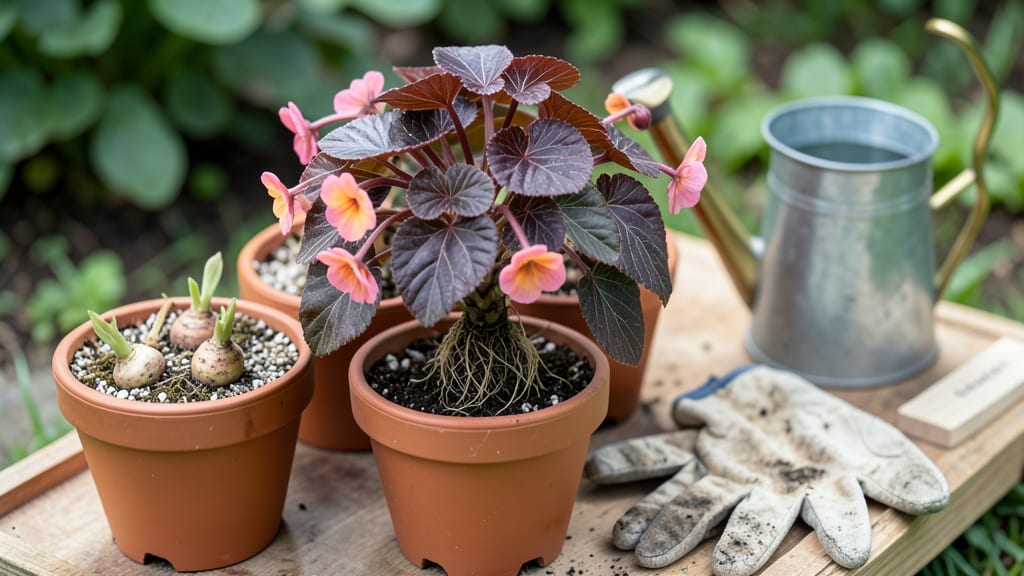
Timing matters more than you think when planting begonias in pots—get it wrong, and you could end up with droopy leaves or blooms that never arrive.
The ideal window for your 🌸 Begonia depends on where you live, but for most gardeners in USDA Zone 6a, the sweet spot is between mid-April and mid-May.
Why wait until spring? Begonias are frost-sensitive, and planting too early risks shock or stunted growth. But rushing them out before the soil warms to 60°F can backfire too.
I’ll show you exactly how to read your climate’s cues—whether it’s soil temperature, nighttime chill, or sunlight shifts—to plant at the perfect moment.
Container gardening adds another layer, since pots heat up faster than garden beds. That means you might need to adjust your schedule slightly, especially if you’re growing tuberous types that need May through October to really shine. Let’s break down the best strategies for your zone and pot setup.
From extending your season with heat mats to recognizing the signs your begonias are ready to thrive, you’ll learn how to keep these beauties blooming longer. No more guesswork—just lush, happy plants that reward your timing with vibrant 🌸 all season long.
Best months to plant begonias in pots by USDA climate zone
Planting begonias in pots at the right time ensures vibrant blooms and healthy foliage. Since begonias are tender perennials, they can't tolerate frost—so your USDA zone dictates the perfect window.
In Zones 3-5, treat them as annuals and plant after the last frost date, while Zones 6-11 can enjoy them year-round with proper care. The key is soil warmth (at least 60°F) and stable nighttime temperatures above 55°F.
For tuberous begonias, aim for late spring planting, while fibrous and rex begonias can handle slightly cooler soil. Container gardening gives you flexibility—you can even start indoors 4-6 weeks before your last frost date to jumpstart growth.
Just remember: smaller pots dry out faster, so adjust your timing if using 6-inch containers versus 12-inch planters.
Here’s a breakdown of ideal planting months by zone, including early vs. late planting trade-offs:
| USDA Zone | Ideal Planting Month | Early Planting Risk | Late Planting Risk | Notes |
|---|---|---|---|---|
| Zones 3-5 | May 15–June 1 | Frost damage | Shorter blooming season | Treat as annuals; overwinter indoors |
| Zones 6-7 | April 15–May 15 | Light frost risk | Reduced vigor | Start tubers indoors in March |
| Zones 8-9 | March 1–April 15 | Minimal (if soil is warm) | Heat stress | Can plant year-round with shade |
| Zones 10-11 | Year-round (best in spring/fall) | None | Pests thrive in heat | Avoid summer planting; use shade cloth |
In Zones 3-5, the window is tight—plant too early and frost will kill your begonias, but delay too long and you’ll miss out on summer blooms. A trick I use is to start tubers indoors in March and transplant after Memorial Day.
For Zones 6-9, you’ve got more flexibility, but soil temperature is critical. Stick your finger in the soil: if it’s warm to the touch, it’s time to plant.
For rex and fibrous begonias, which are less frost-sensitive, you can push planting to early April in Zones 6-9. These types also tolerate cooler soil better, making them ideal for container gardens in transitional climates.
Just ensure your pots have drainage holes—begonias hate soggy roots, and poor drainage can delay growth by weeks.
One common mistake is planting based on calendar months alone. For example, March planting in Zone 7 might still expose your begonias to 30°F nights, which is deadly.
Always check your local frost dates and monitor nighttime temperatures. A minimum-maximum thermometer near your planting area is a game-changer for accuracy.
If you’re in a warmer zone (8-11), you can enjoy begonias year-round, but summer planting requires extra care. Use shade cloth (30-50%) to protect leaves from intense sun, and water morning and evening to prevent wilting.
For fall planting, aim for September to give roots time to establish before winter.
Pro tip: Stagger your planting for continuous blooms. Plant a few tubers in April, another batch in May, and a final group in June (if in Zones 8-11).
This ensures you have color from spring to frost. Just remember, smaller pots (under 6 inches) will dry out faster, so adjust your watering schedule accordingly.
🌸
Signs your climate is ready: soil, temperature, and light checks
Before you rush to plant your begonias in pots, check three critical signs to ensure your climate is truly ready. Cold soil, chilly nights, or harsh afternoon sun can stress these tropical plants—even in containers.
I’ve learned the hard way that skipping these checks often leads to yellowing leaves or slow growth.
First, test your soil temperature—it should reach at least 60°F (15°C) at a depth of 2-3 inches. Use a soil thermometer for accuracy, especially in pots, which heat up faster than garden beds.
If your soil is cooler, wait a few days or use a heat mat under containers to speed up warming.
Next, monitor nighttime temperatures. Begonias can’t handle frost, but even 50°F (10°C) nights can stunt growth. Check your local frost-free date and add 2-3 weeks to that window for safe planting. For example, if your last frost is April 15, aim for planting by May 1.