
Companion Plants
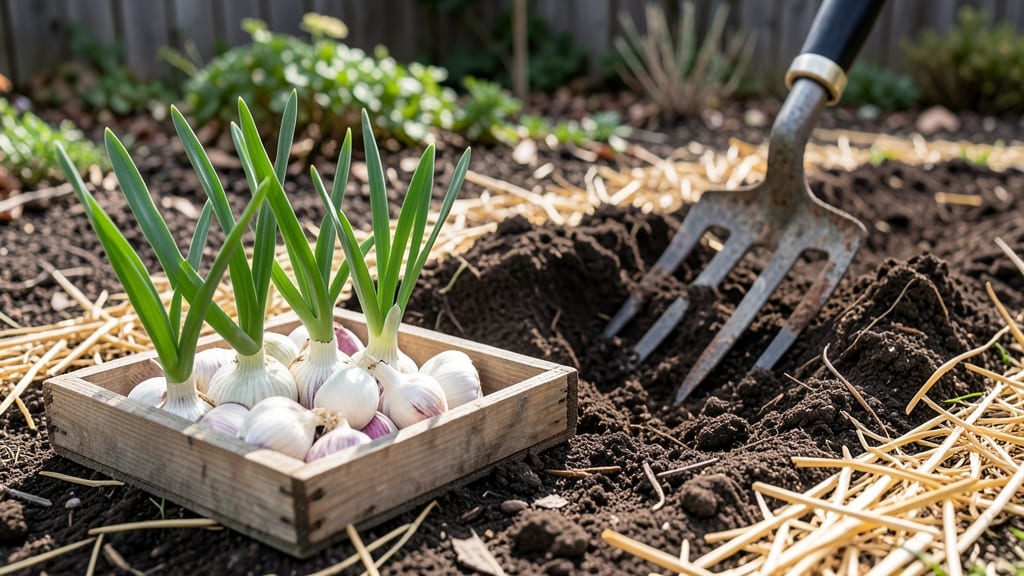
If you’ve ever wondered when to plant garlic in Melbourne for the juiciest, most flavorful harvest, the answer lies in the city’s mild autumn climate—but timing is everything. Plant too early, and your cloves might rot; too late, and you’ll miss the sweet spot for strong bulb development.
With Melbourne’s unique 9b (coastal) / 10a (inland) zones, the key is planting 🧄 garlic in March or April, when soil temperatures drop just enough to trigger growth without risking summer heat stress.
Most gardeners overlook how Melbourne’s unpredictable weather plays a role, but the secret to success is preparing your soil now. Heavy clay soils? No problem—we’ll show you how to improve drainage and nutrients so your garlic thrives.
Whether you’re a first-timer or a seasoned grower, these steps will ensure your 🧄 bulbs develop properly, even in Melbourne’s variable autumns.
What if you miss the fall window? Don’t worry—early spring planting (August–September) can still work, but it requires adjustments. We’ll break down the exact techniques to maximize your harvest, from spacing cloves correctly to protecting them from unexpected cold snaps.
By the time summer rolls around, you’ll have plump, ready-to-pick garlic straight from your garden.
Ready to grow garlic that rivals store-bought? Let’s dive into the perfect planting schedule, soil prep tips, and care tricks tailored just for Melbourne’s climate. Your future meals—and taste buds—will thank you!
Best autumn planting dates for Melbourne garlic growth
Melbourne’s mild autumn climate—with its cool evenings and warm days—creates ideal conditions for growing garlic. Unlike northern climates, Melbourne rarely experiences frost, so timing focuses on soil temperatures and daylight hours.
Planting too early can lead to weak bulbs, while waiting too long may stunt growth before winter. Here’s the exact window for success.
For Melbourne gardeners, the optimal planting window is late March through April. This aligns with soil temperatures dropping to 10–15°C (50–59°F), which triggers root development without overheating. Early varieties like ‘Silverskin’ can tolerate slightly warmer soils, while hardneck varieties (like ‘German Red’) thrive in cooler conditions.
The last planting opportunity is early May, but bulbs may be smaller. Avoid planting after June, as Melbourne’s winter chill can slow growth. If you miss autumn, consider early spring planting (August–September) for a smaller but still viable harvest.
🌱 Garlic Variety Comparison for Melbourne
| Variety | Best Planting Month | Harvest Time | Melbourne Suitability |
|---|---|---|---|
| Silverskin (Softneck) | March–April | November–December | High (mild winters, stores well) |
| Artichoke (Hardneck) | April (cooler soils) | December–January | Moderate (needs winter chill) |
| Creole (Softneck) | March–May | November–January | High (heat-tolerant, great for storage) |
| German Red (Hardneck) | April (avoid heat) | December–January | Moderate (needs cold snap) |
💡 Tip: Softneck varieties (like Silverskin) are best for Melbourne’s mild winters and store longer, while hardneck varieties need a cold winter to form bulbs. Choose based on your climate zone!
Melbourne’s microclimates play a key role. Coastal areas (like Brighton) stay milder, allowing slightly later planting (April–early May). Inland areas (like Sunbury) cool faster, so aim for March–April to avoid stunted growth.
Test your soil temperature with a soil thermometer—ideal planting temps are 10–15°C (50–59°F).
If you’re unsure about your local climate, observe nearby gardens. When you see broccoli or cabbage flowering, it’s a sign to plant garlic—these cool-season crops share similar temperature needs. Melbourne’s autumn rains also help, but ensure your soil drains well to prevent rot.
For container gardening, plant in March–April using pots with drainage holes. Containers warm up faster, so monitor soil moisture closely. Hardneck varieties may struggle in pots due to limited root space, while softneck varieties adapt better.
Protect your garlic from pests like slugs and snails, which thrive in Melbourne’s damp autumns. Use copper tape around pots or apply organic slug bait (like iron phosphate) after planting. A light mulch layer (straw or lucerne) also deters pests while retaining moisture.
Remember, garlic planted in Melbourne’s autumn will harvest in late spring to summer (November–January). The longer the growing season, the larger and more flavorful your bulbs will be. With the right timing, you’ll enjoy homegrown garlic that rivals store-bought—plus, you’ll have extras to share with neighbors!
Step-by-step guide to planting garlic in Melbourne’s soil
Melbourne’s clay-heavy soils can be tricky for garlic, but with the right prep, you’ll create the perfect growing environment. Start by testing your soil’s drainage and pH—garlic thrives in well-draining soil with a pH of 6.0–7.0.
If your soil is compacted, mix in compost or coarse sand to improve aeration and prevent rot.
Choose between hardneck (great for colder areas) and softneck (better for milder zones like coastal Melbourne). For best results, break apart a garlic bulb into individual cloves, ensuring each has a small root attached. This ensures stronger, more uniform growth.
🌱 Step-by-Step Planting Guide
- Soil Prep: Loosen soil to 6 inches deep and mix in compost or aged manure.
- Clove Selection: Pick plump, healthy cloves from a hardneck or softneck bulb.
- Planting Depth: Place cloves 2 inches deep, pointy end up, in rows 12 inches apart.
- Spacing: Space cloves 4–6 inches apart for proper airflow and bulb development.
- Watering: Water deeply after planting to settle soil around cloves.
- Mulching: Apply straw or straw mulch to retain moisture and suppress weeds.
Melbourne’s unpredictable autumn rains can lead to waterlogged soil, so consider planting garlic in raised beds if your garden floods easily. This also helps with drainage and warms the soil faster in spring. Add a layer of gravel at the bottom of raised beds to further improve drainage.
One common mistake in Melbourne gardens is planting garlic too shallowly, which can expose cloves to temperature fluctuations and pests. Always ensure the soil covers the clove completely, leaving only the tip visible. This protects young shoots from slugs and snails, which are active in Melbourne’s damp autumns.
For extra protection against local pests, try companion planting with onions, chives, or lettuce. These plants deter pests naturally and thrive in similar conditions. Avoid planting near beans or peas, as they compete for nutrients and can stunt garlic growth.
After planting, mark your garlic rows with stakes or flags to avoid disturbing the soil later. This is especially helpful in Melbourne’s busy gardens, where other crops or seasonal tasks might lead to accidental digging near garlic beds.
With these steps, your garlic will establish strong roots and grow into plump, flavorful bulbs ready for harvest next summer.