
Plants
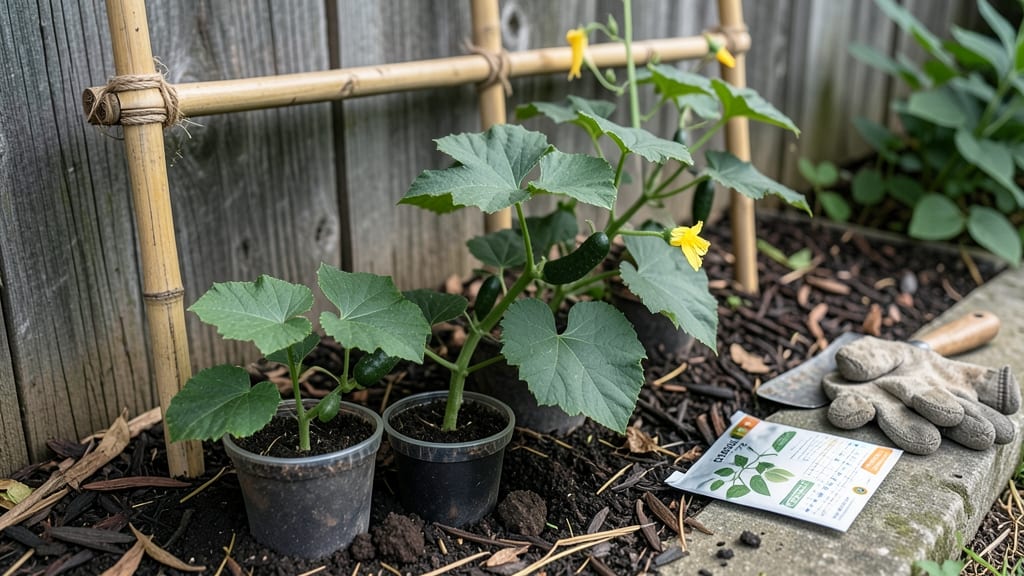
Knowing when to plant cucumbers in Zone 7a isn’t just about following a calendar—it’s about unlocking a harvest that’ll make your summer salads and pickling jars the envy of the neighborhood.
Miss the window, and you’re left with wimpy vines or fruit that never quite ripens. But get it right, and you’ll enjoy crisp, homegrown 🥒 from June straight through September.
In Zone 7a, where last frost typically lingers around April 1, your planting window opens sharply after that date—April 15 to May 15 is your sweet spot. That’s when soil finally warms to the 60°F cucumbers crave, and the risk of frost fades away.
Whether you’re direct-sowing seeds or transplanting seedlings, timing is everything to avoid stunted growth or bolting before you even get to taste those first sweet slices.
Here’s the game-changer: most gardeners in 7a make one of two mistakes—planting too early and risking frost damage, or waiting too long and missing the peak harvest window.
I’ll show you exactly how to nail those 45-70 days to maturity, adjust for your local microclimate, and even squeeze in a second planting for a late-summer bounty. No guesswork, just proven strategies for your specific zone.
Ready to transform your garden into a cucumber powerhouse? Let’s break down the exact steps, from soil prep to succession planting, so you’re harvesting like a pro by summer’s first heatwave.
Your future self will thank you—especially when you’re biting into a cucumber so fresh it practically still has dirt on it.
Optimal planting weeks before last frost in Zone 7a: exact timeline for maximum yields
In Zone 7a, cucumbers thrive when planted after the last frost date—typically around April 15—but timing depends on soil temperature and your local microclimate. Cucumbers need warm soil (60°F+) to germinate, so rushing can lead to poor growth or seed rot.
I’ve planted mine too early in cooler springs, and the seeds simply refused to sprout—don’t make that mistake!
For most of Zone 7a, aim to plant cucumbers 2-4 weeks after your average last frost date. This gives seedlings time to establish roots before summer heat arrives.
In areas like the Piedmont region, where springs warm faster, you might start as early as April 1, while Appalachian zones may need to wait until May 1.
Here’s the key: Soil temperature matters more than calendar dates. Use a soil thermometer to confirm your soil is at least 60°F before planting. If your area has unpredictable frosts, like mine does, consider using row covers to protect young plants until they’re established.
| Planting Stage | Zone 7a Timeline | Key Consideration |
|---|---|---|
| Start Indoors (Optional) | 4-6 weeks before last frost (Feb 15 - Mar 1) | Use only if frost risk is high; cucumbers hate transplant shock. |
| Direct Sow Outdoors | April 15 - May 15 (after last frost) | Plant when soil is 60°F+; avoid cold, wet soil. |
| Succession Planting | Every 2-3 weeks until June 15 | Extend harvest by staggering plantings; stop by July 1. |
| Backup Date (Late Planting) | June 1 (if early attempts fail) | Choose fast-maturing varieties (e.g., 'Bush Champion'); expect smaller yields. |
🌱 Adjust dates 1-2 weeks earlier for Piedmont or 1-2 weeks later for Appalachian areas.
If you’re unsure about your last frost date, check your local USDA Plant Hardiness Zone Map or ask neighbors with established gardens—they’ve likely learned the hard way! I once planted too late in a mild spring, and my cucumbers bolted (flowered prematurely) before producing any fruit.
Now, I mark my calendar for April 15 as my baseline and adjust based on soil temps.
For direct sowing (the preferred method for cucumbers), drop seeds 1 inch deep and 2-3 feet apart in rows spaced 4-6 feet apart. Thin seedlings to the strongest plant per spot once they’re 2 inches tall.
In my garden, I’ve found that bush varieties like 'Bush Champion' save space and work well for containers or small plots.
Pro tip: Mulch immediately after planting with straw or shredded leaves to retain moisture and keep roots cool. I’ve seen cucumber plants wilt dramatically in Zone 7a’s summer heat, but mulching helps maintain even soil temps.
Pair this with drip irrigation to avoid wetting leaves, which reduces fungal diseases like powdery mildew.
Zone 7a’s 180-day frost-free season is just long enough for one full cycle of cucumbers, so plan accordingly. If you love fresh cucumbers, consider succession planting every 2-3 weeks until early June.
This ensures a steady supply without overwhelming your garden at once. Just remember: stop planting by July 1 to avoid bitter fruit from late-season heat.
Finally, if your spring is unusually cold, don’t despair—row covers or a temporary cold frame can buy you extra time. I’ve used them to extend my planting window by 1-2 weeks in chilly years.
Just remove covers once plants are established to prevent overheating. With the right timing, your cucumbers will thrive and reward you with crisp, homegrown harvests all summer long!
Optimal planting weeks before last frost in Zone 7a: exact timeline for maximum yields
In Zone 7a, cucumbers thrive when planted after your average last frost date, which typically falls around April 15 but can vary by 7-10 days depending on microclimates.
For most gardeners, this means starting seeds 2-3 weeks before your target planting date—usually mid-to-late April—to ensure strong, frost-hardy seedlings ready for transplanting.
Direct sowing cucumbers after all frost risk has passed is often preferred, as they hate root disturbance. However, if you’re starting indoors, aim for 3-4 weeks before transplanting to give seedlings enough time to develop 2-3 true leaves before moving them outdoors.
This timing ensures they’re ready to handle Zone 7a’s spring temperature swings.
| Task | Zone 7a Timeline | Soil Temp Threshold |
|---|---|---|
| Start seeds indoors (if transplanting) | March 20 - April 5 | N/A (container control) |
| Hardening off seedlings | April 6 - April 14 | 50°F+ (night temps) |
| Transplant outdoors (or direct sow) | April 15 - May 1 | 60°F+ (day), 55°F+ (night) |
| Backup planting window (if early fails) | May 15 - June 1 | 65°F+ (consistent) |
| Succession planting (for extended harvest) | Every 2 weeks until July 1 | 60°F+ (soil) |
🌱 Pro Tip: Use a soil thermometer to confirm 60°F+ before planting—cold soil delays germination.
Zone 7a’s climate can be tricky—some years, like in the Piedmont region, you might experience late frosts into mid-April, while Appalachian areas may see frost-free conditions by early April.
To hedge your bets, plant a test row around April 15 and cover it with frost cloth if nights dip below 40°F.
For direct sowing, wait until soil temperatures consistently stay above 60°F—this usually aligns with mid-to-late April in most of Zone 7a. If you’re in a cooler microclimate, like a valley, push planting to early May to avoid stunted growth from cool soils.
Use black plastic mulch to warm the soil faster if needed.
Don’t forget about succession planting! Cucumbers have a 60-70 day harvest window, so sow new seeds every 2 weeks from April 15 to July 1 to stretch your harvest into late summer. This works especially well for bush varieties, which mature faster than vining types.
If you miss the primary planting window, you can still try a late-summer crop by planting heat-tolerant varieties like 'Southern Sweet 100' in early July. Just be prepared for bolting (premature flowering) if nights stay warm—use shade cloth to mitigate this risk.