
How To
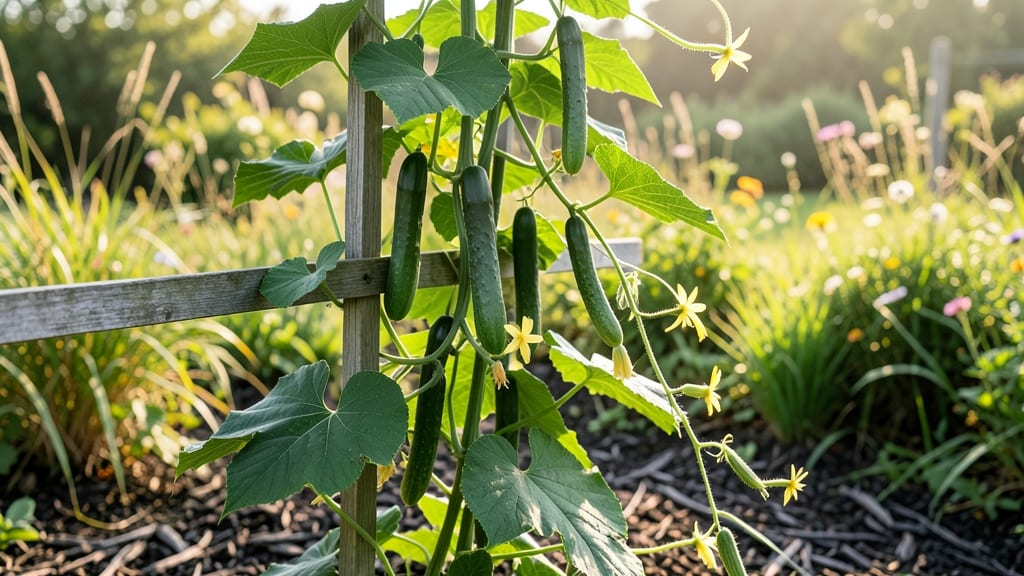
If you're planning your garden layout this year, knowing how tall does cucumber plant grow could save you from a messy, space-hogging disaster—or a disappointing harvest. 🥒 Cucumbers aren’t one-size-fits-all; some varieties stretch like wild vines toward the sky, while others stay neatly contained like compact bushes.
Picture this: a sprawling 20-foot vine taking over your trellis versus a tidy 2-foot bush that fits perfectly in a container. The difference isn’t just about space—it’s about how you’ll manage watering, pruning, and even pest control.
And let’s be honest, no one wants to fight their own cucumber plants for real estate in the garden.
In this guide, I’ll break down the exact height ranges for vining vs. bush varieties, plus the game-changing tips to control their growth—whether you’re working with a tiny balcony or a sprawling backyard. You’ll also discover which varieties are best for your goals, from high-yield climbers to low-maintenance dwarfs.
Ready to stop guessing and start growing? Let’s turn your cucumber dreams into a perfectly sized reality.

Cucumber plant growth height: vining vs bush varieties compared
Cucumber plants come in two distinct growth forms that dramatically affect your garden space planning: vining and bush varieties.
The height of your cucumbers isn't just about aesthetics—it determines how you'll train, support, and ultimately harvest them. Vining varieties can stretch 6 to 20 feet when given proper support, while bush varieties stay compact at 1 to 3 feet.
Understanding these differences helps you choose the right plants for your available space and growing style.
If you're working with limited garden real estate, bush cucumbers are your best bet—they require minimal vertical space and often produce fruit closer to the ground. However, vining types reward gardeners with higher yields and longer harvest seasons when trained vertically.
The key is matching your variety to your garden's layout and your willingness to provide support structures like trellises or cages.
Let's break down the height differences between these two types, including their space requirements and ideal growing conditions. This comparison will help you visualize how much room to allocate and what support structures you might need to maximize your harvest.
Cucumber Variety Height Comparison
| Variety Type | Height Range | Space Needs | Support Required | Yield Potential |
|---|---|---|---|---|
| Vining Varieties | 6–20 ft | Wide or vertical (trellis/cage) | Trellis, fence, or cage | Very high (long season) |
| Bush Varieties | 1–3 ft | Compact (3–4 ft radius) | None or minimal (small cage) | Moderate (shorter season) |
| Semi-Dwarf Vining | 3–6 ft | Moderate (vertical space) | Short trellis or stake | High (balanced season) |
🌱 Pro Tip: Vining varieties like 'Straight Eight' can reach 15+ feet if unchecked, while bush types like 'Bush Champion' stay under 2 feet.
For gardeners with limited vertical space, bush cucumbers are ideal—they thrive in containers or small garden plots without needing trellises. These compact plants produce fruit at ground level, making them easier to harvest and reducing the risk of disease from wet foliage.
However, their shorter vines mean a slightly reduced harvest window compared to their taller counterparts.
On the other hand, vining cucumbers are perfect for gardeners with fences, trellises, or vertical gardening systems. When trained upward, they save ground space while producing more cucumbers over a longer season.
Popular vining varieties like 'Marketmore' or 'Lemon Cucumber' can climb 10 to 20 feet if given proper support, but without it, they'll sprawl across your garden bed like a tangled mess.
If you're growing cucumbers in containers or small spaces, consider semi-dwarf varieties that strike a balance. These plants typically reach 3 to 6 feet and require minimal support, making them versatile for patios, balconies, or small urban gardens.
Varieties like 'Spacemaster' or 'Sweet Success' are excellent choices for these conditions.
Another critical factor influencing height is your growing method. Cucumbers trained vertically on trellises or cages grow taller but produce straighter, cleaner fruit with fewer blemishes. In contrast, cucumbers left to sprawl may develop more irregular shapes and are prone to soil-borne diseases.
Proper training not only controls height but also improves air circulation and reduces pest issues.
When planning your garden layout, account for the mature height of your chosen variety and add an extra 2 to 3 feet of space around bush types for airflow.
For vining varieties, ensure your trellis or support structure is at least 6 feet tall—some varieties will exceed this if given the chance! Consider the direction of your trellis to maximize sunlight exposure for optimal growth.
For those new to growing cucumbers, bush varieties are often the easiest to start with. They require less maintenance and are more forgiving for beginners.
However, if you're eager to experiment with vertical gardening, vining types offer a rewarding challenge and can transform even the smallest spaces into productive cucumber patches. The key is choosing the right variety for your available space and growing conditions.
Remember, the height of your cucumber plants isn't set in stone—it's influenced by factors like pruning, support structures, and even your local climate. With the right care, you can guide your cucumbers to grow within your desired space while maximizing your harvest potential.
Whether you're a space-conscious urban gardener or have a sprawling backyard, there's a cucumber variety that will thrive in your garden!
Cucumber plant growth height: vining vs bush varieties compared
Cucumber plants come in two main growth types: vining varieties and bush varieties, each with drastically different space requirements.
Understanding these differences helps you plan your garden layout and choose the right variety for your space. Vining cucumbers can grow 6 to 20 feet tall, while bush cucumbers stay compact at 1 to 3 feet. The choice you make impacts everything from trellising needs to harvest accessibility.
If you're short on space or gardening in containers, bush varieties are your best bet. They thrive in small plots or even large pots, eliminating the need for sprawling vines. Meanwhile, vining types require more room to climb or sprawl, making them ideal for larger gardens or vertical growing setups.
Let’s break down the key differences so you can make an informed decision for your garden.
| Variety Type | Height Range | Space Needs | Growth Habit | Best For |
|---|---|---|---|---|
| Vining Cucumbers | 6–20 ft | Large plots or vertical support | Climbing or sprawling | Large gardens, trellises, or greenhouses |
| Bush Cucumbers | 1–3 ft | Containers or small plots | Compact, upright growth | Patios, balconies, or small gardens |
Popular vining cucumbers like 'Straight Eight' or 'Marketmore' can reach 10 to 20 feet if given the right support, such as a sturdy trellis or fence. Without support, they’ll sprawl across the ground, taking up significantly more space.
On the other hand, bush varieties like 'Bush Champion' or 'Spacemaster' stay under 3 feet tall, making them perfect for urban gardens or small-scale farming.
Another factor to consider is yield potential. Vining cucumbers often produce more fruit due to their larger size and extended growing season, but they require more maintenance, like pruning and training. Bush varieties may yield slightly less but are easier to manage, especially in tight spaces.
If you’re growing cucumbers in containers, bush types are the clear winner, as they won’t outgrow their pots.
For maximum height control, choose semi-dwarf varieties like 'Little Leaf', which grow 3 to 6 feet tall. These hybrid types strike a balance between vining and bush growth, making them versatile for various garden setups.
Always check seed packets for mature height estimates to avoid surprises as your plants grow.
Regardless of the variety, proper trellising or pruning can influence height. Vining types benefit from vertical support to channel energy into fruit production rather than sprawling vines. Meanwhile, bush varieties need minimal support but still thrive with light pruning to improve airflow and reduce disease risk.