
Plants
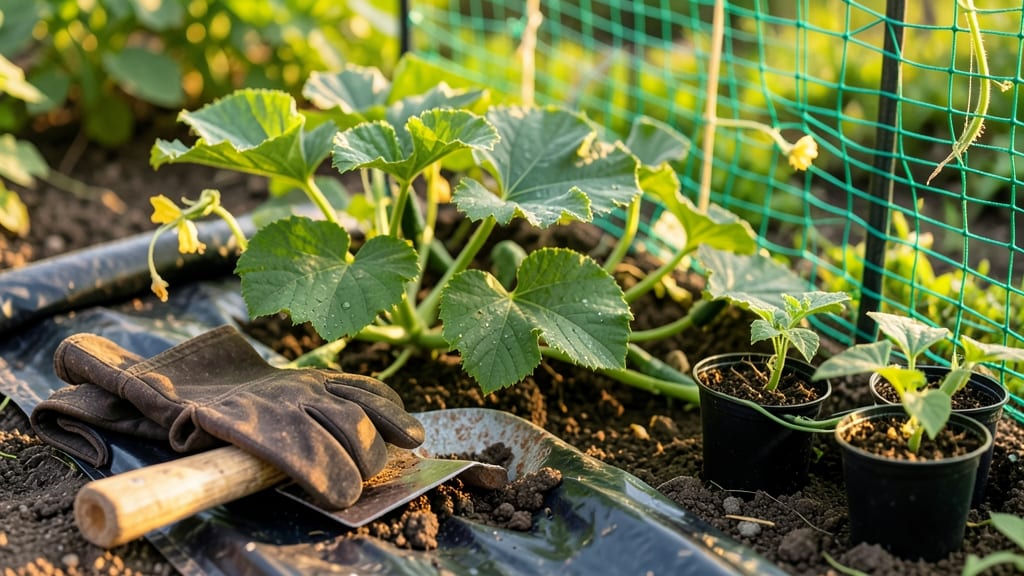
When to plant cucumber seeds in Ohio can feel like a high-stakes game—get it wrong, and you might lose your entire harvest to frost or blight. The key to success lies in understanding your local climate, because Ohio’s 6a zone demands precision when planting heat-loving 🥒 varieties.
Most gardeners wait until after the last frost, typically mid-April to early May, but soil temperature matters just as much as calendar dates. Cucumbers thrive when the ground reaches at least 60°F, which often means delaying planting until late May in cooler microclimates.
This timing ensures your seedlings won’t bolt from sudden cold snaps.
You’ve got options beyond direct sowing—starting seeds indoors 4-6 weeks before transplanting can give you an early edge. But even with head starts, Ohio’s short growing season means succession planting might be your best strategy for a continuous harvest from June through September.
Let’s break down the exact steps to maximize your cucumber yield, from soil prep to variety selection, so you can beat Ohio’s unpredictable weather and enjoy fresh 🥒 all summer long.
Ohio’s ideal cucumber planting timeline: frost dates and hardening off
Ohio’s USDA zones 5-7 mean your cucumber planting window is tight—just 165 frost-free days to grow from seed to harvest. The key is timing: sow seeds only after the average last frost date, which typically falls between mid-April and early May, depending on your region.
Northern Ohio gardeners should wait until May 1-15, while southern Ohio can start as early as late April.
But timing isn’t just about frost dates—soil temperature matters just as much. Cucumbers thrive when soil reaches at least 60°F. In Ohio, this usually aligns with late May in cooler zones, but you can speed things up with black plastic mulch, which warms soil faster.
A soil thermometer is your best friend here; don’t rush planting if the ground is still chilly.
Here’s the golden rule: Wait until nighttime temperatures consistently stay above 50°F. Cold snaps in Ohio can still hit in May, so monitor your local National Weather Service forecasts or use a frost calendar for your county.
For example, in Columbus (Zone 6a), the last frost is around April 20, but I always wait until May 10 to be safe.
Now, let’s talk hardening off, the critical 2-3 week process that prepares seedlings for Ohio’s unpredictable weather. If you start seeds indoors 4-6 weeks before your last frost date, you’ll need to acclimate them gradually.
Begin by moving pots outside for 2-3 hours daily, then increase exposure over 10-14 days until they’re ready for full sun.
Direct sowing is another option for Ohio gardeners, especially if you’re short on time. Skip the indoor start and plant seeds directly in the garden after the last frost, using row covers to protect young plants.
This method works well for heat-tolerant varieties like ‘Straight Eight’ or ‘Marketmore 76,’ which handle Ohio’s humidity better than delicate heirlooms.
Ohio’s northern regions (like Toledo or Cleveland) face higher frost risks, so I recommend using row covers or even a mini greenhouse to extend the season. These tools can push your planting window back by 2-3 weeks, giving you an earlier start.
For example, in Zone 5b, I’ve successfully planted cucumbers by May 1 using a floating row cover to shield seedlings from late frosts.
Don’t overlook microclimates in Ohio. South-facing slopes warm up faster than low-lying areas, so you might plant 1-2 weeks earlier in those spots. Conversely, valleys and shaded gardens stay colder longer—adjust your timeline accordingly.
A quick walk around your yard with a soil thermometer can reveal these differences before you plant.
If you’re unsure about your local frost dates, check resources like the Ohio State University Extension or the Old Farmer’s Almanac. These tools provide county-specific data that’s far more reliable than guessing. Pro tip: Bookmark your local Cooperative Extension office’s frost date map—it’s a lifesaver for Ohio gardeners!
Finally, remember that late planting isn’t a fail-safe. While you can sow cucumber seeds as late as early June, yields will suffer in Ohio’s short season. Prioritize early varieties like ‘Bush Champion’ (55 days to harvest) over slower growers like ‘Armenian’ (70+ days).
Balance timing with your garden’s sunlight exposure—shady spots won’t support cucumbers’ 6-8 hour sun requirement.
How to extend Ohio’s short cucumber season: row covers, succession planting, and variety choices
Ohio’s short growing season (just 165 frost-free days) can leave cucumber lovers scrambling for ways to squeeze every last harvest out of summer. The key? Strategic planting and smart variety choices that thrive in our USDA zones 5-7.
I’ve learned that even a few extra weeks of production can mean the difference between a handful of cucumbers and a bountiful harvest.
One of my go-to tricks is using floating row covers to jumpstart seedlings. These lightweight fabrics protect tender plants from late spring frosts while allowing sunlight and water to pass through.
I start seeds indoors 4-6 weeks before the last expected frost date (around April 15), then transplant them under covers as soon as soil temps hit 60°F. This gives me a 2-3 week head start on the season.
For variety selection, I prioritize fast-maturing and disease-resistant cucumbers. Ohio’s humid summers breed fungal diseases like powdery mildew, so I opt for varieties like ‘Straight Eight’ (70 days to harvest) or ‘Lemon Cucumber’ (55 days), which handle our climate better.
Bush varieties also save space and reduce trellising needs in smaller gardens.
- 🌱 First Planting (Early May): Sow seeds or transplant hardened-off seedlings after last frost. Use row covers for extra protection.
- 🌿 Second Planting (Mid-June): Succession plant another batch 2-3 weeks after the first harvest begins to maintain continuous production.
- 🌻 Third Planting (Early July): For late varieties or second crops, plant heat-tolerant types like ‘Armenian Cucumber’ (90 days) to extend harvest into August.
Another game-changer is black plastic mulch, which warms the soil faster and suppresses weeds. I lay it down 1-2 weeks before planting to give the soil a temperature boost.
Pair this with drip irrigation to keep roots consistently moist without wetting foliage—critical for preventing powdery mildew in Ohio’s sticky summers.
Don’t overlook companion planting either! I interplant cucumbers with radishes (which deter pests) or marigolds (natural fungicides). Avoid planting near potatoes or sage, which can stunt growth.
In my 4’ x 8’ raised beds, I dedicate one section to cucumbers, another to radishes, and sprinkle marigolds around the edges for a pest-free zone.
With these strategies, I’ve stretched Ohio’s cucumber season from June to early September—sometimes even later with a greenhouse or cold frame. The secret? Start early, plant smart, and keep adapting based on your microclimate. Even a 10-day extension can mean 30% more cucumbers for your table!