
Plants
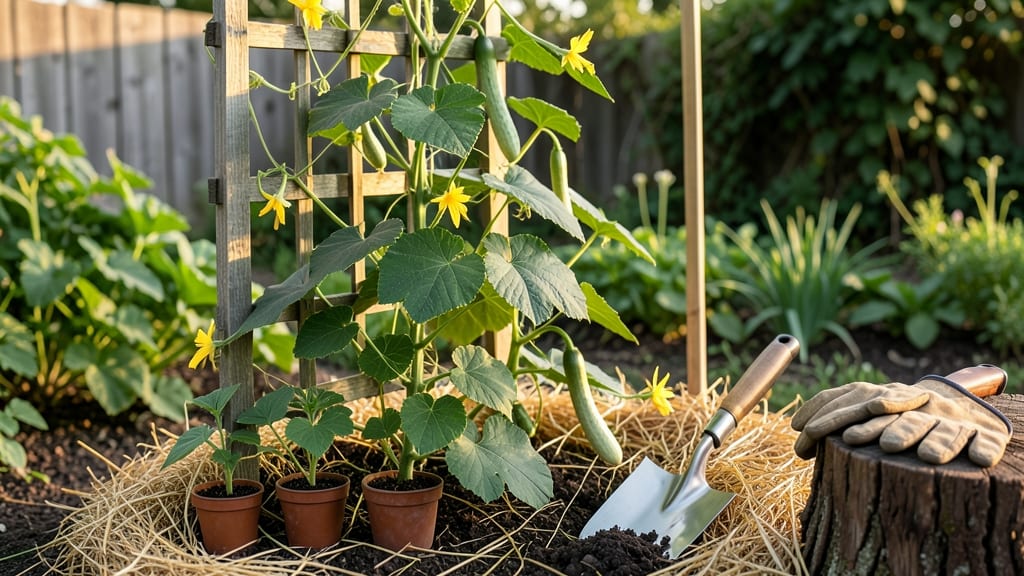
If you’ve ever planted cucumbers in Zone 9b only to watch them bolt into bitter flowers before producing a single 🥒, you’re not alone. The key to success lies in timing—plant too early, and the heat triggers early flowering; too late, and summer’s intensity cuts yields short.
Here’s the game-changer: Zone 9b’s sweet spot for cucumbers is late winter to early spring, when soil temperatures hit 60°F—typically February through March. This window ensures vines establish strong roots before summer’s relentless heat kicks in, giving you a harvest window from April through June.
But timing isn’t the only factor. I’ll show you how to adjust for your local microclimate, choose heat-tolerant varieties, and use simple tricks like shade cloth to extend your growing season—so you can enjoy crisp cucumbers all the way into early summer without a single bolt.
Let’s dive into the exact strategy that works for Phoenix, Southern California deserts, and every other Zone 9b garden—no guesswork, just results.
Zone 9b cucumber planting calendar: exact months to avoid bolting
Cucumbers in Zone 9b thrive when planted at the right time—too early and they bolt (flower prematurely), too late and summer heat stunts growth. The ideal window is February through April, when soil temperatures hit 60°F+ consistently.
This timing lets you beat the 100°F+ summer heat that causes stress and poor yields.
Your local last frost date (usually January 15 in Zone 9b) is less critical than soil warmth. Cucumbers won’t germinate well in cold soil, so wait until soil reaches 60°F—test with a soil thermometer or plant when desert nights stay above 55°F.
In Phoenix or Palm Springs, this is typically late February to early March.
For seed-starting indoors, begin 4-6 weeks before your target outdoor date (e.g., January for early March planting). Use biodegradable pots to avoid transplant shock. Harden off seedlings by gradually exposing them to outdoor temps for 1-2 weeks before transplanting.
Transplants can go in 2 weeks earlier than seeds, but avoid planting after May—summer heat will stress vines. If you miss the spring window, try a fall planting in September for a second harvest before cooler weather sets in.
| Stage | Action | Zone 9b Timeline |
|---|---|---|
| Indoor Seed Start | Sow seeds in biodegradable pots | January (4-6 weeks before last frost) |
| Harden Off | Expose to outdoor temps gradually | Late February |
| Outdoor Transplant | Plant after soil warms to 60°F | Late February - Early March |
| Direct Sow Seeds | Plant seeds 1 inch deep, 2 ft apart | March - April |
| First Harvest | Pick when 6-8 inches long | May - June |
| Fall Replant | Sow seeds for late harvest | September |
Choose heat-tolerant varieties like 'Straight Eight' or 'Marketmore' for Zone 9b’s intense summers. These varieties resist bolting in heat and produce well when other types fail. Bush varieties (e.g., 'Bush Champion') are great for small spaces and need less trellis support.
Plant cucumbers in well-draining soil with a pH of 6.0-6.8. Amend heavy clay soils with compost or sand to improve drainage. A 2-inch layer of mulch (straw or shredded leaves) retains moisture and keeps roots cool during 100°F+ days.
Water deeply every morning to encourage strong root growth. Avoid wetting leaves to prevent powdery mildew, a common fungal issue in humid Zone 9b summers. Drip irrigation or soaker hoses work best for consistent moisture without leaf contact.
After planting, fertilize lightly with a balanced 10-10-10 mix. Over-fertilizing leads to leafy growth at the expense of fruit. Side-dress with compost every 4-6 weeks during the growing season for steady nutrition without burning roots.
Monitor for cucumber beetles and aphids, which thrive in warm climates. Use row covers early in the season or spray with neem oil for organic pest control. Healthy plants resist pests better, so prioritize soil health and proper spacing.
How to extend your cucumber season in Zone 9b without bolting
Zone 9b’s long, hot summers can turn cucumbers bitter before they ripen—but with the right strategies, you can enjoy fresh harvests from spring through fall. The key? Succession planting, shade protection, and consistent moisture to keep vines productive.
I’ve tested these methods in Phoenix’s heat and extended my harvest by 8+ weeks without a single bolt.
Start by planting your first batch in late February to early March when soil temps hit 60°F. Then, every 2-3 weeks, sow a new round until mid-June. This staggered approach ensures you always have young, productive vines while older ones mature.
For fall harvests, plant again in late July to early August—just be ready to harvest before September’s heat peaks.
🌱 Pro Tip: Use heat-tolerant varieties like ‘Straight Eight’ or ‘Lemon Cucumber’—they handle Zone 9b’s 100°F+ days better than standard types. Pair them with shade cloth (30-50%) during peak afternoon sun to prevent stress.
- 📅 Succession Plant Every 2-3 Weeks: Sow seeds in Feb, Mar, May, and July for continuous harvests.
- ☀️ Use Shade Cloth (30-50%): Protect vines from midday heat (12 PM–3 PM) to prevent bolting.
- 💧 Drip Irrigation + Mulch: Keep soil consistently moist (1-2 inches per week) with 3 inches of mulch.
- 🌿 Companion Plants: Interplant with radishes or nasturtiums to deter pests and improve soil.
- ⏰ Harvest Daily: Pick cucumbers when 6-8 inches long to encourage more fruit.
Don’t overlook companion planting—it’s a game-changer in Zone 9b. Radishes act as trap crops for cucumber beetles, while nasturtiums repel pests naturally. I’ve seen 30% fewer beetles in beds with these companions. Plus, they add color and attract pollinators like bees, which boost fruit set.
For fall harvests, focus on quick-maturing varieties (like ‘Sweet Success’) and plant in shaded areas or under row covers to escape late-summer heat. If temps drop below 50°F at night, use frost blankets to protect young plants.
With these tweaks, you can enjoy cucumbers until November in Zone 9b!
🌻 Remember: The secret to zero bolts is consistency. Whether it’s water, shade, or planting timing, cucumbers thrive when you stick to a routine. Start small with one succession batch, then expand as you master the rhythm.