
Trees
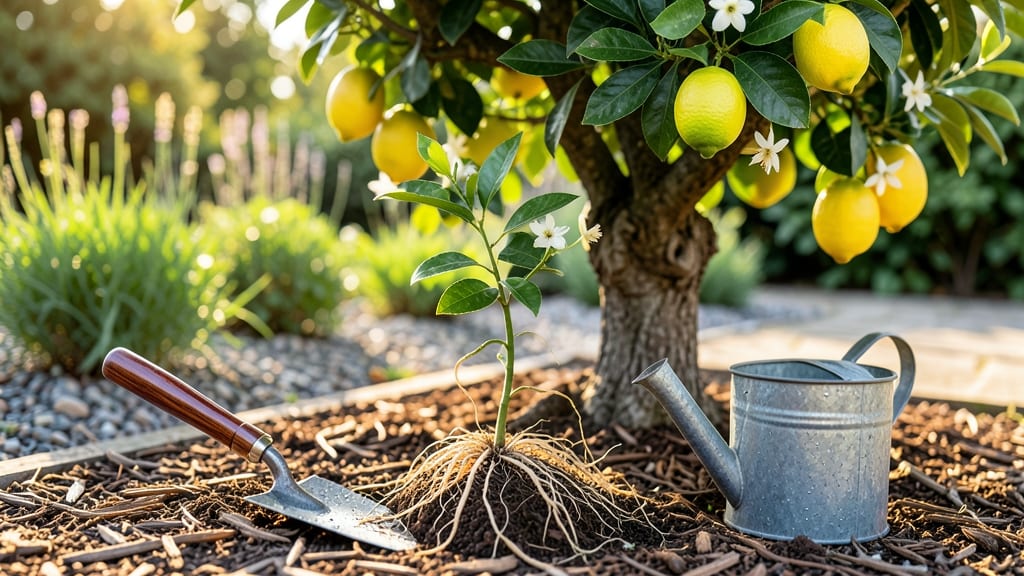
Timing your citrus tree planting in Southern California isn’t just about throwing a seedling in the ground—it’s about playing the climate’s game to win.
With 365 frost-free days and microclimates that shift from coastal breezes to inland heat, even a 2-week delay can mean the difference between a thriving 🍊 and a struggling sapling.
Here’s the truth: While you can plant year-round in zones 9b-11, the ideal window—when soil stays warm and transplant shock fades—starts in late winter and stretches through early spring.
But coastal areas like Santa Barbara have more flexibility than inland deserts, where summer heat can scorch new roots faster than you’d think.
What if you missed the “perfect” window? No problem—I’ll show you how to hack Southern California’s microclimates to plant successfully in any month, from using windbreaks to picking the right citrus variety for your heat zone. Ready to turn your backyard into a citrus grove without the guesswork?
Let’s dive into the exact strategies that’ll have your trees growing strong, regardless of when you’re ready to dig in. Spoiler: It’s all about understanding your local frost-free window and a few pro tips most gardeners overlook.
Southern California’s frost-free window: the critical 3-Month planting period
Southern California’s Mediterranean climate means citrus trees can technically be planted year-round—but the optimal frost-free window of November through February gives your trees the best chance to establish strong roots before summer heat arrives.
This period aligns with the USDA zones 9b-11, where no frost is typical, but microclimates create subtle differences in risk.
Planting during these months avoids the transplant shock that can occur if you plant in summer’s scorching heat or winter’s rare cold snaps. The ideal soil temperature for citrus roots—60–75°F—is consistently met in this window, ensuring faster root establishment.
Even in coastal areas like Malibu or Santa Barbara, temperatures stay mild enough for safe planting through early spring.
Here’s the golden rule: Plant citrus trees 6–8 weeks before the hottest summer months. This gives roots time to anchor before the 100°F+ inland heat kicks in.
For example, a November planting in the Inland Empire will have roots deeply established by June’s peak heat, while a February coastal planting avoids the March windburn risks.
🌱
If you miss this window, don’t panic—container planting extends your flexibility. Potted citrus can be planted in late spring or early summer, but you’ll need to water daily and provide afternoon shade until roots adapt.
The key is soil moisture: dry soil + high heat = root stress.
For bare-root citrus trees, the November–January window is critical because their roots are most vulnerable to drying out. If you’re buying container-grown citrus, you have slightly more leeway—February–March works well—because the root ball stays hydrated longer.
🪴
Pro tip: Test your soil’s drainage before planting. Citrus trees hate soggy roots, so amend heavy clay with compost or perlite to create a well-aerated root zone.
In low-lying areas like San Bernardino Valley, where cold air pools, plant on a slight slope to improve airflow and reduce frost risk.
Remember, Southern California’s microclimates can shift planting advice by weeks. Coastal areas like La Jolla may safely plant into early March, while Palm Springs should aim for November–December to avoid 110°F+ summer stress. Always check your local USDA zone map for precision.
☀️
Microclimate heat zones: coastal vs. inland planting timing differences
Southern California’s diverse geography creates distinct microclimates that dramatically affect citrus planting times. The coastal regions—like Santa Barbara and San Diego—enjoy milder winters and can accommodate late plantings, while inland areas such as the Inland Empire and San Fernando Valley experience colder nights that demand earlier planting.
Understanding these zones ensures your citrus thrives.
Coastal areas benefit from warmer ocean breezes that delay frost risks, allowing you to plant citrus trees as late as mid-February. In contrast, inland zones with cooler temperatures—like Riverside or Temecula—require planting between November and December to avoid winter stress.
Elevation also plays a role; areas like San Bernardino Mountains may shift the frost-free window by 4–6 weeks earlier.
| Zone Type | Best Planting Window | Heat Zone (°F) | Citrus Varieties |
|---|---|---|---|
| Coastal (Santa Barbara, San Diego) | November–February | 60–70°F | Lemons, Oranges, Limes |
| Inland (Riverside, Temecula) | November–December | 50–60°F | Improved Meyer, Satsuma |
| Elevation (San Bernardino) | October–November | 45–55°F | Dwarf Varieties Only |
For coastal gardeners, the longer frost-free window means you can plant citrus trees even in early spring, but avoid late winter if temperatures dip below 50°F. Inland areas, however, should prioritize November plantings to give roots time to establish before winter chill sets in.
Elevation adds another layer—higher-altitude gardens may need to plant as early as October to prevent frost damage.
Choosing the right citrus variety also depends on your microclimate. Cold-hardy varieties like ‘Improved Meyer’ lemons or ‘Satsuma’ mandarins thrive in inland zones, while tropical varieties like grapefruit or kumquats prefer coastal warmth. Always check the USDA hardiness zone (9b–11) and local microclimate data before selecting your tree.
Container planting offers flexibility for inland gardeners who want to extend their planting window. Moving potted citrus trees to protected microclimates—like near a south-facing wall or under a patio cover—can shield them from unexpected cold snaps.
Just ensure containers have drainage holes and use well-draining soil mixes to prevent root rot.
If you’re unsure about your local microclimate, consult the UC Master Gardener Program or use online tools like the USDA Plant Hardiness Zone Map to pinpoint your exact conditions. With the right timing and variety, your citrus tree will flourish year-round in Southern California’s diverse landscapes. 🌿