
Trees
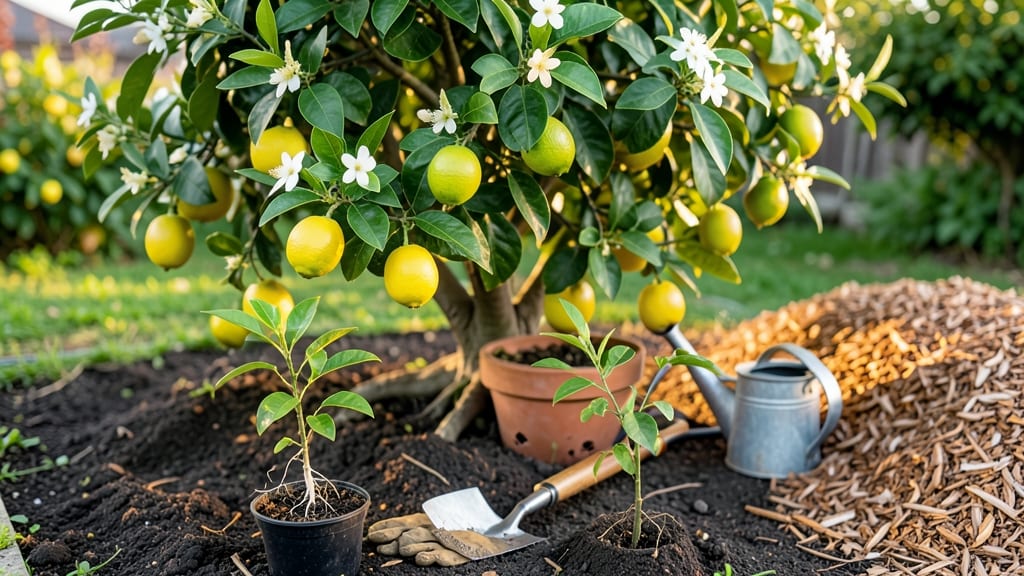
Timing your citrus tree planting in Phoenix isn't just about avoiding frost—it’s about beating the brutal summer heat that can shock young roots and stunt growth before your 🍊 tree even thinks about bearing fruit.
With Phoenix’s 365 frost-free days and scorching afternoons, most gardeners assume they can plant anytime. But the truth? The coolest months—November through March—are your golden window for success. Why? Because planting during these milder days gives roots time to establish before the desert sun cranks up to 110°F.
I’ve seen firsthand how a tree planted in June wilts within weeks, while one planted in December thrives by spring. The difference? Soil temperature, humidity, and avoiding the monsoon’s sudden downpours that can drown tender roots. Let’s break down exactly how to time it right for your Phoenix garden.
Whether you’re a beginner or a seasoned gardener, these insights will help you avoid costly mistakes and set your citrus tree up for years of year-round harvests. Ready to get growing?
Optimal planting months for citrus trees in Phoenix’s climate zone
Phoenix’s USDA Zone 9b-10a climate makes it ideal for citrus trees year-round, but timing matters more than you might think.
The coolest months—November through February—are the absolute best window for planting because they offer mild temperatures (60-75°F) and lower evaporation rates, giving young roots time to establish before summer’s 110°F+ heat arrives.
Planting during these months also avoids the monsoon season (July-September), when sudden heavy rains can drown roots or wash away soil nutrients. My personal rule is to plant citrus trees at least 6 weeks before summer to ensure they’re rooted deeply enough to handle the desert’s intensity.
Here’s why November-January is the gold standard: soil temperatures stay consistently warm (above 60°F), reducing transplant shock, while the shorter daylight hours mean less stress on the tree. February is still safe, but March-April risks coincide with spring heatwaves that can dehydrate young plants quickly.
Phoenix’s microclimates add another layer—low desert areas (like Saguaro National Park) stay warmer longer, while higher elevations (near Camelback Mountain) can drop below 40°F at night. If you’re in a cooler microclimate, aim for December-January to avoid unexpected chills.
One critical factor often overlooked is soil temperature. Citrus roots need soil to stay above 60°F for optimal growth. In Phoenix, this typically happens by mid-November, but early November plantings in cooler pockets may struggle. Use a soil thermometer to check before planting—65°F+ is ideal.
Another pro tip: Plant after the monsoon season (by September 30th) to avoid waterlogged soil, which can suffocate roots. The dry, cool months of late fall and winter give your citrus tree the perfect head start for Phoenix’s brutal summers.
| Month | Soil Temp (°F) | Pros | Cons | Best For |
|---|---|---|---|---|
| November | 60-70°F | Low evaporation, mild temps | Late plantings may struggle in cooler microclimates | Low desert areas |
| December | 55-65°F | Ideal root establishment | Shorter daylight hours | All elevations |
| January | 60-70°F | Balanced temps, low stress | None significant | Best overall month |
| February | 65-75°F | Warming soil, faster growth | Early spring heatwaves possible | Low desert, dwarf varieties |
| March | 70-80°F | Established roots handle heat | High transplant shock risk | Only for mature trees |
🌱 Key Takeaway: Plant between November-February for optimal survival in Phoenix’s heat.
If you’re planting bare-root citrus trees (common in nurseries), December-January is ideal because the dormant roots establish faster in cooler soil. Container-grown trees, however, can handle November or February plantings better since their roots are already partially established.
One common mistake is assuming April-May is fine because it’s still mild. But by April, soil temperatures often exceed 80°F, which can burn young
Optimal planting months for citrus trees in Phoenix’s climate zone
Phoenix’s USDA Zone 10b climate means citrus trees thrive year-round, but the best planting window is between November and February. This period offers cooler temperatures, reduced monsoon humidity, and ideal soil moisture for root establishment.
Planting outside this window risks heat stress or root rot from summer’s extreme conditions.
Citrus trees need soil temperatures above 60°F to root successfully. In Phoenix, soil cools naturally in winter months, making November–February the safest time. Avoid planting in summer (June–August), when temperatures often exceed 105°F, shocking young roots and causing transplant shock.
Microclimates in Phoenix also play a role. Low desert areas (e.g., Scottsdale) have milder winters, while higher elevations (e.g., Carefree) may experience rare light frosts (below 30°F). Choose cold-hardy varieties like ‘Carrizo’ citrange if planting in frost-prone zones, and plant in sheltered microclimates like near south-facing walls.
| Month | Soil Temp (°F) | Risk Level | Best For |
|---|---|---|---|
| November | 65–75°F | Low | Root establishment |
| December | 60–70°F | Low | Slow growth, minimal stress |
| January | 62–72°F | Low | Best balance of cool temps |
| February | 68–78°F | Moderate | Pre-monsoon prep |
| March | 75–85°F | High (if late) | Emergency planting only |
If you must plant outside these months, October or April are secondary options. However, October’s monsoon humidity can increase fungal risks, while April’s rising temperatures may stress young trees. Always mulch heavily (3–4 inches of wood chips) to retain moisture and regulate soil temperature.
Timing also depends on the tree’s maturity. Bare-root saplings plant best in winter dormancy, while container-grown trees can handle spring planting (March–April) with extra shade cloth protection. For container trees, water deeply 2–3 days before transplanting to reduce shock.
Pro tip: Schedule planting for a cloudy day in winter to minimize transplant shock. After planting, stake young trees and apply a slow-release fertilizer to support early growth. Avoid heavy pruning until the tree establishes roots—typically 3–6 months after planting.