
Plants
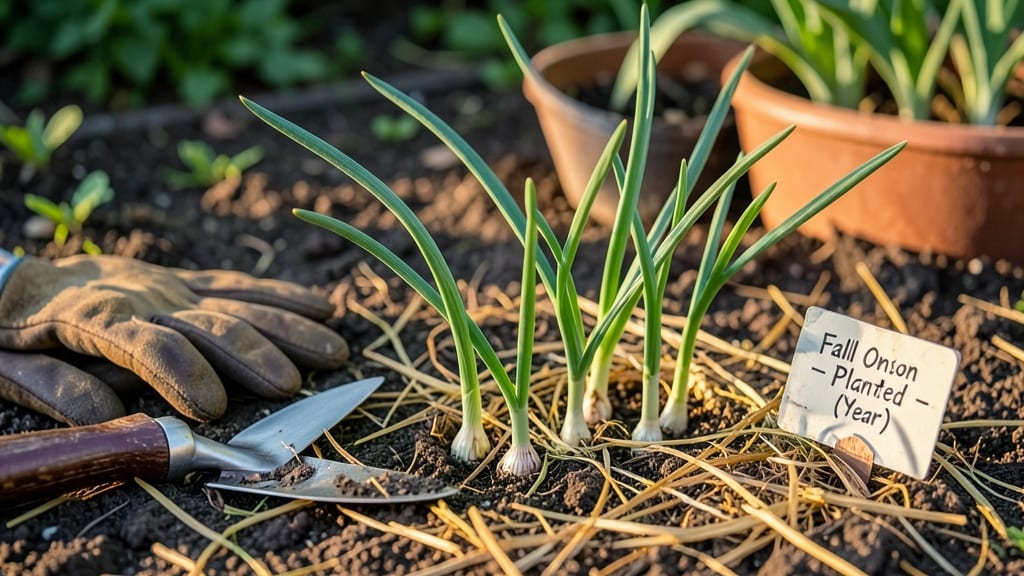
Timing your fall onion 🧅 planting in Zone 7 isn't just about throwing seeds in the dirt—it's the secret to avoiding bitter, bolting disappointment and harvesting sweet, tender bulbs instead.
If you've ever planted too early and watched your onions bolt into flower stalks, or too late and struggled with stunted growth, you know how critical 8-10 weeks before frost really is.
Zone 7's October 15 average first frost date means your perfect planting window opens in early September—but there's more to it than just dates.
I'll show you exactly how to calculate your ideal planting window, adjust for early or late frosts, and choose the right varieties to thrive in your region. Plus, I'll share pro tips to prevent bolting and maximize your harvest—because nobody wants to waste months of effort on a failed crop.
Whether you're a seasoned gardener or just starting with fall onions 🧅, these strategies will help you grow a bumper crop that's ready to harvest just as the weather turns crisp. Let's get those onions in the ground the right way.
Zone 7 fall onion planting calendar: exact weeks before frost for zero-bolt harvests
Getting your fall onions timed right in Zone 7 means the difference between sweet, tender bulbs and bitter, flowering disappointment. The secret? Planting 8-12 weeks before your first frost—but knowing exactly when that is depends on your local microclimate.
Most of Zone 7 sees its first frost around mid-October, so aim for late August to early September plantings. However, if you live in the warmer southern edge of Zone 7 (like Atlanta or Raleigh), you might push planting to early September.
For cooler northern areas (like Cincinnati or Lexington), late August is your best bet.
Why this timing? Onions need cool fall temperatures to form bulbs, but they hate bolting (flowering) before frost. Planting too late means they’ll bolt; too early, and they’ll mature before winter. The 8-12 week rule gives them just enough time to bulk up before the ground freezes.
For example, if your first frost is October 15, count backward: October 15 - 12 weeks = August 22. That’s your ideal planting window.
Pro tip: Check your local frost dates using the USDA Plant Hardiness Zone Map or your cooperative extension service. Even within Zone 7, frost dates can vary by 1-2 weeks.
For instance, Chattanooga might frost by October 10, while Charlottesville could wait until October 25. Adjust accordingly!
🌱
If you’re unsure about your exact frost date, use a fall onion variety with a shorter maturity time, like 'Texas Early White' (85 days) or '1015Y' (90 days). These can handle a slightly later planting (up to 4 weeks before frost) without bolting.
For longer-day varieties like 'Yellow Sweet Spanish', stick to the 8-12 week rule—they’re more finicky about timing.
Another trick? Plant a successive crop every 2-3 weeks from late August through mid-September. This stretches your harvest from October through December, ensuring you always have fresh onions. Just mark your planting dates on a calendar or use stakes with flags to track which batch is which!
For overwintering onions, plant a final batch in late September (6-8 weeks before frost). These won’t form large bulbs but will produce small, sweet green onions in early spring. Mulch heavily with straw or leaves to protect them from freeze-thaw cycles.
Finally, monitor your garden’s soil temperature. Onions grow best when soil temps are between 50°F and 75°F. If your soil stays above 80°F after planting, your onions may bolt prematurely. Use shade cloth or plant in partial shade to cool things down if needed.
☀️
Zone 7 fall onion planting calendar: exact weeks before frost for zero-bolt harvests
In Zone 7, the average first frost hits around mid-October, but your exact planting window depends on local microclimates. For perfectly formed bulbs, aim to plant 8-12 weeks before frost, which typically means late August to early September in most of Zone 7.
This timing ensures onions mature before cold sets in but avoids the heat stress of late summer, which can trigger bolting. If you live in cooler microclimates (like higher elevations), push planting to early September for a safer harvest.
🌱 Fall Onion Planting Timeline for Zone 7
| Stage | Action | Weeks Before Frost |
|---|---|---|
| Soil Prep | Test pH (6.0-7.0), add compost | 12+ |
| Direct Sow | Plant seeds ½" deep, 1" apart | 8-10 |
| Thin Seedlings | Leave 4" between plants | 6-8 |
| Harvest Ready | Tops yellow, bulbs 1-2" | 0-2 |
For reliable results, check your local frost date averages (via Almanac.com) and adjust by ±1 week. In warmer microclimates (like urban heat islands), you can plant as late as early October—just monitor soil temps (55°F+ for germination).
Pro tip: Use black plastic mulch in late summer to warm soil and extend your planting window by 1-2 weeks. This trick works especially well if you’re pushing the early September cutoff.
If you miss the ideal window, don’t panic! Green onions (harvested before bulb formation) can still be grown by planting in late September, though they’ll be smaller. For spring harvests, overwinter onions by mulching heavily after frost.
Remember: Consistency beats perfection. Even a 1-week delay won’t ruin your harvest—just prioritize well-draining soil and even moisture to compensate for timing tweaks.