
Plants
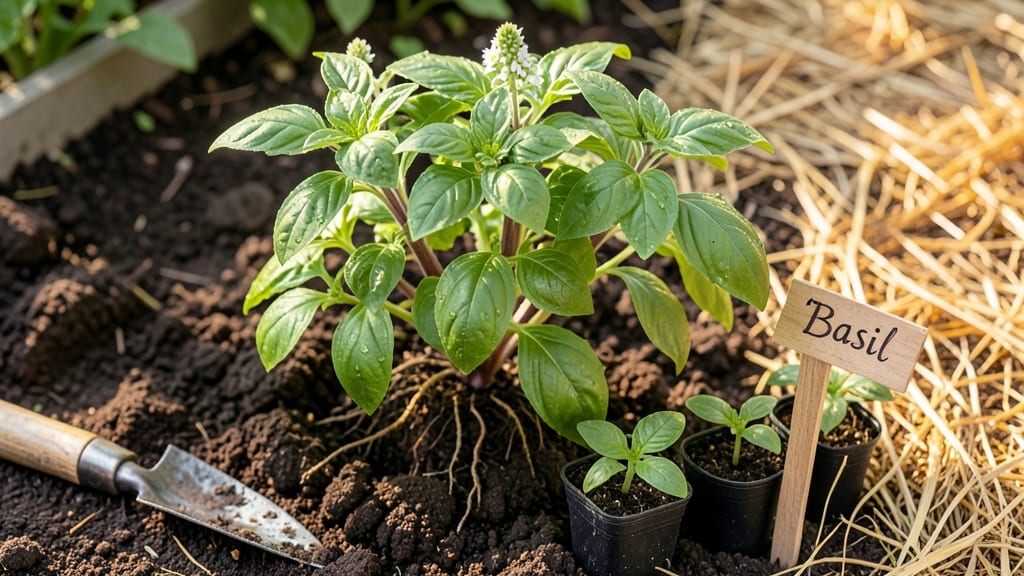
Timing your basil planting in North Carolina can make or break your harvest—get it wrong, and you'll end up with bitter leaves instead of the sweet, fragrant herbs you crave.
The key is planting after your last frost date, when soil temperatures hit at least 50°F, ensuring your 🌿 thrives from April 15 to May 15.
North Carolina's diverse climate—from the Piedmont's rolling hills to the Coastal Plains' milder winters—means your exact planting window depends on where you live. Whether you're in the mountains or near the coast, understanding your local heat zone is the game-changer for avoiding bolting and maximizing flavor.
I'll walk you through the best methods for your region, whether you're starting seeds indoors 2-4 weeks before your last frost or transplanting young plants once the danger of frost has passed. With the right timing, you'll enjoy fresh basil from June through October.
Ready to grow basil that tastes like a summer vacation? Let's dive into the exact steps to plant your herbs for a bountiful, flavorful harvest—no bitter surprises here.
North Carolina heat zones for basil planting: exact timing by region
North Carolina's diverse climate creates three distinct growing zones for basil: the Northwest Mountains, Piedmont region, and Coastal Plains. Each zone has unique frost dates and soil warming patterns that dictate your perfect planting window.
For example, Asheville's last frost typically occurs around April 15, while Wilmington's frost-free date is closer to March 15—a full month difference!
To avoid bitter bolts, plant basil when soil temperatures reach 50°F (10°C) and nighttime temps stay above 50°F. This usually aligns with your region's last frost date plus 2-3 weeks for soil warmth.
Coastal areas can start slightly earlier, while mountain regions should wait until late April or early May.
Here's how to match your location to the ideal planting schedule:
🌿 North Carolina Basil Planting Guide by Region
| Region | Last Frost Date | Planting Window | Soil Temp Requirement | Key Tip |
|---|---|---|---|---|
| Northwest Mountains (Asheville, Boone) | April 15 | April 25 - May 10 | 50°F+ | Use black plastic mulch to warm soil faster |
| Piedmont (Raleigh, Greensboro) | March 25 | April 10 - April 25 | 50°F+ | Start seeds indoors 3-4 weeks before last frost |
| Coastal Plains (Wilmington, Fayetteville) | March 15 | March 25 - April 10 | 55°F+ (warmer soils) | Can direct sow earlier with row covers |
For mountain gardeners, consider using row covers or cold frames to extend your growing season by 2-3 weeks before the official planting window. These protective covers create microclimates that trap heat while allowing sunlight to penetrate, giving your basil a head start.
If you're unsure about your exact last frost date, check the NC State Climate Office or use the Almanac's Frost Calculator. These tools provide hyper-local data that can shift your planting window by 1-2 weeks depending on elevation and microclimates.
Remember that basil is a warm-season herb that bolts (goes to seed) when stressed by cold. In NC's USDA Zones 7a-8b, this means planting too early can trigger flowering instead of leaf production. The 10°C soil temperature threshold is non-negotiable for germination success.
For container gardeners, you can start seeds indoors 4-6 weeks before your region's last frost date. This gives you a jump on the season and allows you to transplant hardened-off seedlings once soil temperatures are ideal. Just be sure to acclimate plants gradually to outdoor conditions to avoid transplant shock.
Pro tip: Plant basil near tomatoes to improve flavor and deter pests. The 3-foot companion planting distance works perfectly for both plants' needs while maximizing your garden space.
Once your basil is established, expect harvests from June through October with proper care. Regular harvesting of outer leaves encourages bushier growth and prevents bolting, giving you fresh basil all season long.
How to extend basil's growing season in NC: staggered planting & container hacks
North Carolina's short growing season can be tricky for basil lovers, but with the right strategies, you can enjoy fresh leaves from early summer through fall. The key is staggered planting—sowing seeds in 2-3 week intervals—to ensure a continuous harvest before the first frost.
Even in the Coastal Plains, where summers last longer, late plantings can still bolt by September if not managed properly.
For gardeners in the Piedmont or Mountain regions, where cooler nights arrive earlier, extending the season requires extra effort. I’ve found that container gardening works wonders—pots can be moved to warmer microclimates or even brought indoors before frost.
A south-facing porch or sunny windowsill can keep your basil thriving for weeks longer than ground-planted herbs.
Here’s how to maximize your basil’s growing window with simple, effective techniques:
- 🌱 Staggered Planting: Sow seeds every 2 weeks from April 15 to June 1 for a continuous harvest.
- 🪴 Container Gardening: Use 5-gallon pots for mobility—move to sunny spots or indoors before frost.
- 💧 Cold-Frame Protection: Extend the season by 4-6 weeks using a low tunnel or cold frame in fall.
- ☀️ Microclimate Magic: Plant near south-facing walls or pavements (which absorb heat) to create warmer pockets.
- ✂️ Harvest Strategically: Pinch back flower buds and harvest outer leaves to delay bolting.
One of my favorite tricks is using black plastic mulch to warm the soil and speed up germination for late plantings. This works especially well in the Mountains, where cooler soils can delay growth.
Just lay down the mulch a week before sowing to raise soil temperatures by 5-10°F, giving your seeds a head start.
For those in the Coastal Plains, where humidity is higher, focus on airflow. Space plants 12-18 inches apart and prune regularly to prevent fungal issues that can stress the plant and trigger bolting.
A small fan on low setting near your container garden can also help mimic natural airflow and keep your basil healthy.
With these techniques, you can enjoy fresh basil well into October, even in the cooler parts of NC. The secret? Adaptability—watch your plants, adjust your timing, and don’t be afraid to get creative with containers and microclimates. Your taste buds (and pesto recipes) will thank you!