
Plants
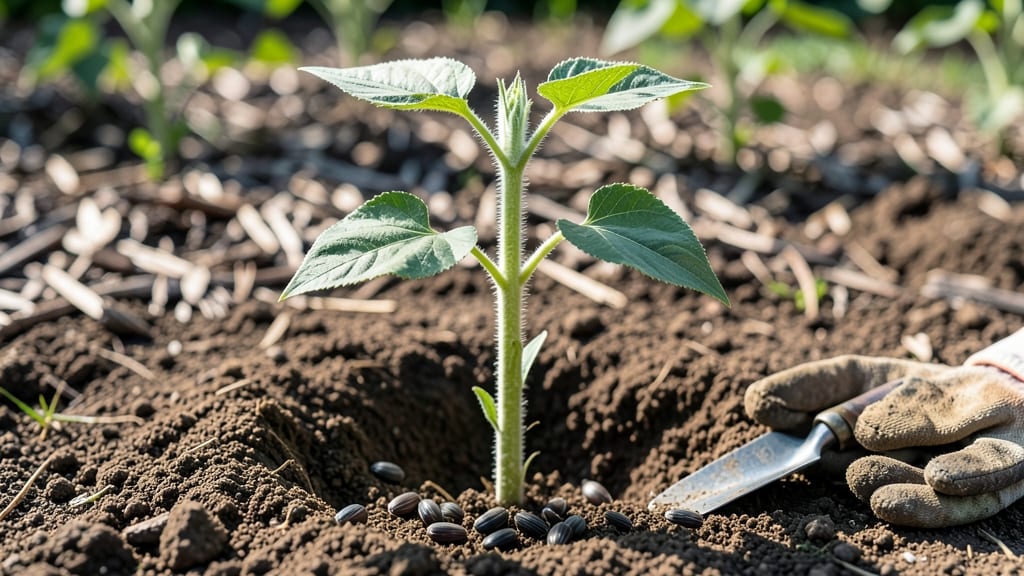
Planting sunflower seeds in Florida at the wrong time can turn your dreamy 🌻 blooms into bitter stems before they even open. With Florida’s warm climate, timing isn’t just about avoiding frost—it’s about beating the heat that triggers bolting, the enemy of tall, vibrant sunflowers.
Most gardeners in USDA Zones 9a-11 know spring is ideal, but did you know fall planting can yield just as impressive results?
The key is starting seeds when soil temperatures hit 50°F—that’s typically February-April for spring and August-September for fall, giving your sunflowers a head start before summer’s scorching peak.
I’ve grown sunflowers across North and South Florida, and the difference between a 6-foot plant and a 12-foot giant often comes down to these precise timing windows. Whether you’re aiming for towering varieties or compact blooms, mastering when to plant means more flowers and fewer frustrations.
Ready to unlock the secrets? Let’s dive into Florida-specific planting timelines, soil prep tricks, and how to keep your sunflowers thriving—no bolting in sight.
Optimal sunflower planting dates in Florida by USDA Zone (8-10)
Florida’s USDA Zones 8-10 offer two prime windows for planting sunflower seeds: early spring and late summer. North Florida (Zone 8) has slightly cooler winters, while South Florida (Zones 9-10) enjoys year-round warmth.
The key is avoiding peak summer heat (May-July), which triggers bolting—premature flowering that reduces bloom size and seed quality.
For direct sowing, aim for soil temperatures above 50°F (10°C). In North Florida, this typically means mid-February to early April.
In South Florida, you can start as early as January, but avoid planting before last frost dates (rare in Zones 9-10 but possible in Zone 8).
Your fall planting window runs from mid-August to early September, allowing sunflowers to mature before cooler winter temperatures slow growth. This strategy works especially well for tall varieties like Russian Giant, which need time to reach their full height before frost.
Transplanting sunflower seedlings gives you a slight edge. Start seeds indoors 2-3 weeks before your target outdoor planting date. For Zone 8, this means mid-January indoors → April outdoors. For Zones 9-10, you can transplant as late as May, but expect smaller blooms if planted after June 1.
| USDA Zone | Spring Planting Window | Fall Planting Window | Soil Temp Threshold | Key Tip |
|---|---|---|---|---|
| Zone 8 (North FL) | Mid-February to early April | Mid-August to early September | 50°F (10°C) | Use shade cloth in June-July to prevent bolting |
| Zone 9 (Central FL) | January to early April | Late July to early September | 55°F (13°C) | Dwarf varieties thrive in containers for small spaces |
| Zones 10-11 (South FL) | Year-round (avoid Dec-Feb) | August to October | 60°F (16°C) | Succession plant every 2 weeks for continuous blooms |
If you miss the spring window, don’t panic—sunflowers are fast growers. In South Florida (Zones 10-11), you can even plant year-round, though growth slows during hotter months (June-August). For North Florida (Zone 8), focus on spring and fall to avoid frost damage.
For container gardening, choose dwarf varieties like ‘Teddy Bear’ or ‘Moulin Rouge’ and plant them 2-3 weeks earlier than in-ground sunflowers. Containers heat up faster, so monitor soil moisture closely to prevent stress.
Pro tip: Mark your calendar for August 15—this is the last ideal date to plant sunflowers in North Florida for fall blooms. In South Florida, extend this to September 15 to take full advantage of the longer growing season.
Remember, sunflowers love heat, but they hate humidity extremes. In South Florida’s wet season (June-October), ensure your garden has good drainage to prevent root rot. Mulch around the base to keep roots cool and moist.
Finally, succession planting is your secret weapon. Sow new seeds every 2 weeks during your planting window to enjoy continuous blooms from spring through fall. This works especially well for cut flower gardens or attracting pollinators.
Optimal sunflower planting dates in Florida by USDA Zone (8-10)
Florida’s USDA Zones 8-10 offer two ideal windows to plant sunflower seeds: early spring and late summer. Timing these correctly prevents bolting (premature flowering) and ensures taller, healthier plants.
In North Florida (Zone 8), aim for February-March or August-September, while South Florida (Zones 9-10) can start slightly earlier in January-February or July-August.
Direct sowing is best for sunflowers—they hate being transplanted. Start seeds ½ inch deep in well-draining soil when daytime temperatures consistently reach 60°F+. For fall planting, focus on August-September to give seedlings time to mature before winter’s cooler months arrive.
Here’s a quick breakdown of your planting timeline by zone and season:
| Zone | Spring Planting | Fall Planting | Soil Temp Threshold | Notes |
|---|---|---|---|---|
| 8 (North FL) | Feb 15 – Mar 15 | Aug 1 – Sep 15 | 50°F+ | Avoid planting after Mar 30 to prevent bolting. |
| 9 (Central FL) | Jan 15 – Feb 28 | Jul 15 – Aug 31 | 55°F+ | Use shade cloth in peak summer to slow growth. |
| 10 (South FL) | Jan 1 – Feb 15 | Jul 1 – Aug 15 | 60°F+ | Year-round planting possible but spring/fall best. |
For transplants, start seeds indoors 4-6 weeks before your target outdoor date. Use biodegradable pots to avoid root disturbance. In Florida’s heat, seedlings can bolt in as little as 3 weeks if stressed, so keep them in cool, shaded conditions until ready to transplant.
Pro tip: In South Florida (Zones 9-10), you can even try winter planting (November-December) for early spring blooms. Just monitor for frost—even a light freeze can damage young seedlings. Use row covers if temps dip below 40°F.
Once planted, maintain consistent moisture and watch for squirrels—they love sunflower seeds! A chicken wire cage over new seedlings can save your crop until they’re established.