
Flowers
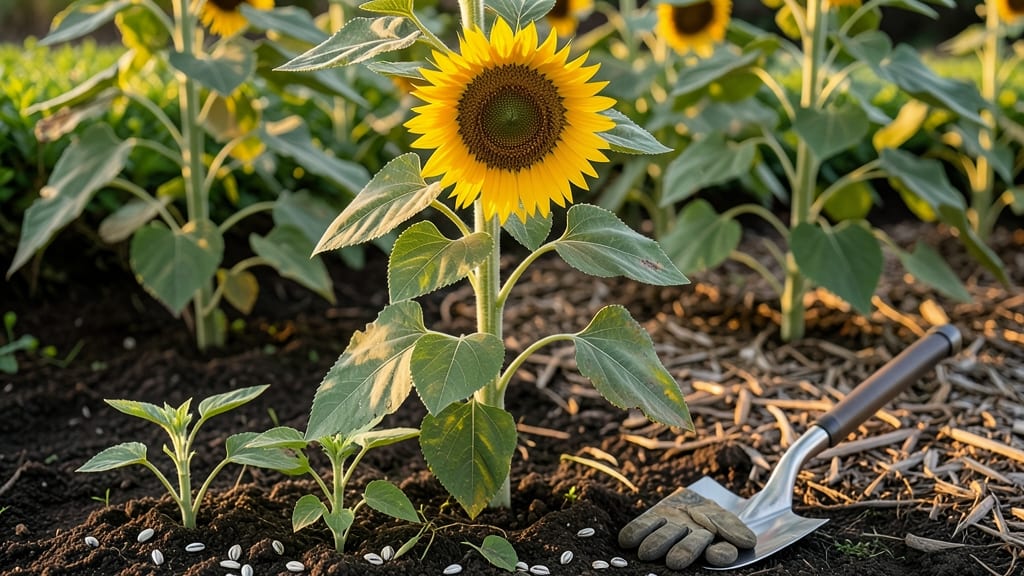
If you've ever dreamed of growing towering sunflowers 🌻 that reach for the Florida sky, timing your planting is the secret weapon you can't afford to ignore.
The wrong month could mean struggling seedlings or stunted blooms, while the perfect window unlocks those 12-foot giants you've always wanted in your garden.
Florida's unique 9a-11 climate gives you two prime opportunities to plant these cheerful giants - but each season comes with its own challenges.
Whether you're in the panhandle or Miami, I'll show you exactly when to put those seeds in the ground for maximum success, including how to work around Florida's rare frost risks and summer heat spikes.
What if I told you there's a 60-day window where sunflowers practically grow themselves in Florida's warmth? That's right - and we're about to uncover the exact months that give you the best chance for those vibrant blooms that'll make your neighbors green with envy.
From soil temperature secrets to regional microclimate tips, you'll discover how to turn your Florida garden into a sunflower paradise. Let's get those seeds in the ground at the perfect time for the tallest, most beautiful blooms possible.
Florida heat zone planting calendar for sunflowers (with exact months)
Florida’s heat zones 8A-10B create ideal conditions for sunflowers, but timing varies dramatically between North Florida’s cooler winters and South Florida’s year-round warmth. In North Florida (zones 8A-9A), frost risks mean you’ll want to plant early, while South Florida (zones 10A-10B) gardeners can enjoy two growing seasons.
Let’s break down the best months for each region to ensure your sunflowers reach their maximum height potential.
For North Florida (Pensacola to Orlando), the safest window is February through April—once soil temperatures hit 50°F or warmer. This timing avoids late winter frosts while giving plants enough time to mature before summer’s intense heat.
In Central and South Florida (Orlando to Miami), you can plant as early as January or even stretch into late summer (August-September) for a fall harvest.
Here’s the heat zone breakdown you need to know before grabbing those seeds:
If you’re in North Florida (zones 8A-9A), I recommend starting seeds indoors in January to get a head start. Transplant outdoors after your last frost date (typically mid-March in Gainesville).
For Central Florida (zone 9B), you can direct-sow seeds in January or August—just be prepared for summer heat stress if planting late.
In South Florida (zones 10A-10B), the real magic happens with succession planting. Plant your first batch in January for spring blooms, then again in August for fall harvests. This two-season approach ensures you’ll have continuous sunflower blooms from May through November—perfect for attracting pollinators year-round!
One critical mistake Florida gardeners make is planting sunflowers during peak summer (June-July). While they’ll germinate, the intense heat and humidity often lead to bolting (rapid stem elongation) without proper flower development.
Instead, aim for early spring or late summer when temperatures are milder but still warm enough for growth.
Pro tip: Use a soil thermometer to check that soil temps are at least 50°F before planting. Cold soil slows germination, and sunflowers won’t tolerate being moved once they sprout. For North Florida, this usually means waiting until mid-February—patience pays off with taller, healthier stalks.
For maximum height, choose late spring planting (March-April) in most of Florida. This gives plants enough time to establish roots before the dog days of summer. In South Florida, your August-September planting will yield the t
How to extend sunflower season in Florida (and avoid common mistakes)
Florida’s long growing season lets you grow sunflowers twice a year—but timing mistakes can ruin your blooms. The key is succession planting and smart soil prep to beat the heat and humidity.
I’ve learned that spring and late summer are your best bets, but even then, you’ll need to adjust for Florida’s 90°F+ days.
Start with well-draining soil mixed with compost to help roots handle heat stress. I always add a 2-inch mulch layer to retain moisture and keep roots cool. Without this, your sunflowers can bolt too quickly or develop fungal issues from sitting in wet soil.
For spring planting (February-April), aim to harvest before the hottest summer months (June-August). If you plant in late summer (August-September), choose heat-tolerant varieties like ‘Moulin Rouge’ or ‘Autumn Beauty’ to survive Florida’s 90°F+ afternoons.
Use shade cloth during extreme heat (100°F+) to protect young plants. I drape lightweight 30% shade fabric over seedlings until they’re 6 inches tall. This trick has saved my giant varieties from wilting before they bloom.
Watch for sunflower moths and bird damage—two of Florida’s biggest pests. I wrap bird netting around tall varieties and handpick moths early in the morning. A neem oil spray every 2 weeks keeps pests at bay without harming pollinators.
For continuous blooms, stagger plantings every 2-3 weeks from February through September. This ensures you’ll have sunflowers in bloom from May through November, giving your garden that golden sunshine all season long.