
Plants
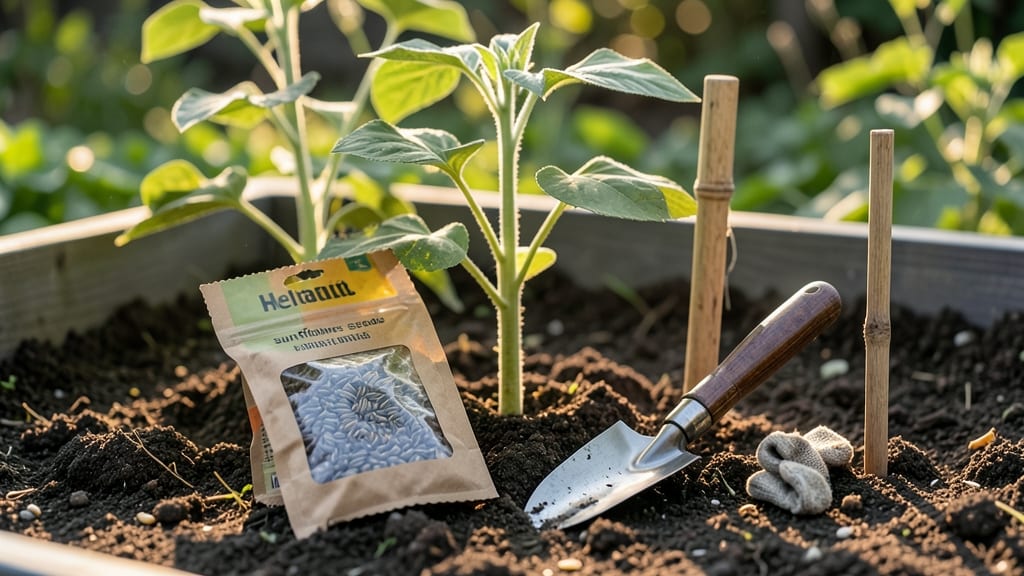
Timing your sunflower seeds in Michigan could mean the difference between 10-foot giants and stunted plants that never reach their potential.
The perfect planting window starts as early as mid-April in the southern parts of the state, but wait too long, and you’ll miss the chance for those iconic golden blooms before frost hits in October.
I’ve grown sunflowers in Michigan’s 5b-6b zones for years, and I can tell you—getting the timing right isn’t just about avoiding frost. It’s about giving your 🌻 sunflowers enough warmth to establish strong roots before the heat of summer arrives.
Whether you’re aiming for early summer blooms or late-season harvests, the key is planting after the last frost, typically between April and June.
But here’s the thing: Michigan’s weather is unpredictable. A late frost can still sneak in, or a heatwave might dry out your soil before seeds even sprout.
That’s why I’ll walk you through exactly how to adjust your planting schedule based on your region, soil prep tips, and even which sunflower varieties thrive best in Michigan’s climate.
By the end, you’ll know not just when to plant, but how to set your sunflowers up for success—so you can enjoy those towering, cheerful blooms from late summer right through fall.
Michigan sunflower planting schedule: exact weeks before last frost for optimal growth
Michigan’s USDA zones 5b-6b mean sunflowers can thrive if planted at the right time. For 8–10 ft giants, aim for 2–4 weeks after your last frost date.
In most of Michigan, this lands between mid-April and early May in the Lower Peninsula, while the Upper Peninsula may wait until late April to early May due to cooler temperatures.
Sunflowers need soil temperatures above 55°F (13°C) to germinate properly. Use a soil thermometer to check—if it’s cooler, wait a few days or use black plastic mulch to warm the soil faster. This is especially critical in Michigan’s northern regions, where cold snaps linger longer.
For early summer blooms, plant seeds 4–6 weeks before your last frost (around mid-March to early April) in a protected microclimate, like a greenhouse or cold frame. This gives you a head start before transplanting outdoors after frost danger passes.
Here’s your Michigan sunflower planting timeline based on frost-free dates and variety maturity:
| Region | Last Frost Date | Ideal Planting Window | Soil Temp Threshold | Days to Maturity |
|---|---|---|---|---|
| Lower Peninsula (South) | Mid-April | Late April - Early May | 55°F+ (13°C+) | 80-120 days |
| Lower Peninsula (North) | Early May | Late May - Early June | 55°F+ (13°C+) | 80-120 days |
| Upper Peninsula | Late May | Early June - Mid-June | 60°F+ (16°C+) | 90-120 days |
| All Regions (Late Summer) | N/A | Mid-June - Late June | 60°F+ (16°C+) | 60-80 days (dwarf varieties) |
Direct-sow seeds 1 inch deep and 6 inches apart in rows 18–24 inches apart for full-grown sunflowers. Thin seedlings to 12–18 inches apart once they’re 4–6 inches tall to prevent overcrowding and ensure maximum sunlight exposure—critical for those 10+ ft stalks.
For extended blooming seasons, stagger plantings every 2 weeks from May through July. This ensures continuous color from summer into early fall, even if Michigan’s weather throws a curveball.
Just be mindful of first frost dates, which typically hit mid-October in the south and late September in the north.
If you’re growing dwarf varieties for cut flowers or edible seeds, you can push planting to late June for late summer harvests. These shorter varieties (like 'Moulin Rouge') mature faster (60–80 days) and tolerate cooler soils better, making them ideal for Michigan’s shorter growing season.
Pro tip: Mark your last frost date on your calendar and count backward. For tall sunflowers, aim for 80–120 days before frost. For dwarf varieties, 60–80 days is plenty. This ensures your sunflowers reach their full golden potential before winter sets in.
Once planted, mulch around the base with straw or wood chips to retain moisture and suppress weeds. Sunflowers are drought-tolerant once established, but consistent moisture during germination (first 2–3 weeks) is key to strong starts.
Water deeply 1–2 times per week unless Michigan’s summer droughts kick in—then increase to every 5–7 days.
🌻
How to adjust sunflower planting for Michigan’s unpredictable weather patterns
Michigan’s variable climate can turn sunflower gardening into a gamble—unless you plan ahead. Late frosts in May and heatwaves in July often catch gardeners off guard. The key is flexibility: staggered planting and soil warming can turn these challenges into opportunities for longer bloom seasons and hardier plants.
First, check your local frost dates. The Upper Peninsula averages 2 weeks later than the Lower Peninsula, so adjust accordingly. If your area has a history of late frosts, consider row covers or planting near warmth-retaining structures like fences or buildings.
For drought-prone areas, choose varieties like 'ProCut' or 'Autumn Beauty', which tolerate dry spells better than standard types.
Here’s my go-to strategy: Plant 3 batches of seeds 2 weeks apart between mid-April and early June. The first batch gets the earliest blooms, while the last batch extends your fall harvest window.
This method ensures at least one successful batch even if Mother Nature throws a curveball.
⚠️ Watch for These Michigan-Specific Risks
- Late Frost Alert: If temps dip below 32°F after planting, cover seedlings with frost cloth or a lightweight blanket.
- Heat Stress: Extended 90°F+ days can stunt growth—mulch heavily to retain moisture.
- Fungal Threats: Overhead watering in humid Michigan summers invites powdery mildew. Water at the base instead.
🌱 Pro Tip: Test soil moisture weekly—sunflowers wilt faster in sandy Michigan soils.
For soil warming, try these tricks: Lay down black plastic mulch 1–2 weeks before planting to raise soil temps by 5–10°F. Or, plant near dark-colored containers (like black pots) that absorb heat.
In cooler zones (USDA 5b), start seeds indoors 2–3 weeks early in biodegradable pots to avoid transplant shock.
Don’t forget to monitor soil moisture—Michigan’s clay-heavy soils can suffocate roots if too wet. Aim for 1–2 inches of water per week, but reduce in July/August unless you’re growing for seed production. A drip irrigation system keeps water at the roots and avoids fungal issues.
Lastly, keep records of your planting dates and weather patterns. Over time, you’ll spot trends—like your yard’s microclimate or the best late-summer varieties for your area. For example, 'Teddy Bear' sunflowers thrive in shorter Michigan summers and bloom earlier than 'Russian Giants'.
With these adjustments, you’ll outsmart Michigan’s weather and enjoy sunflowers from July through October. The secret? Stay flexible, stagger your plantings, and choose the right varieties for your local conditions. 🌻