
Plants
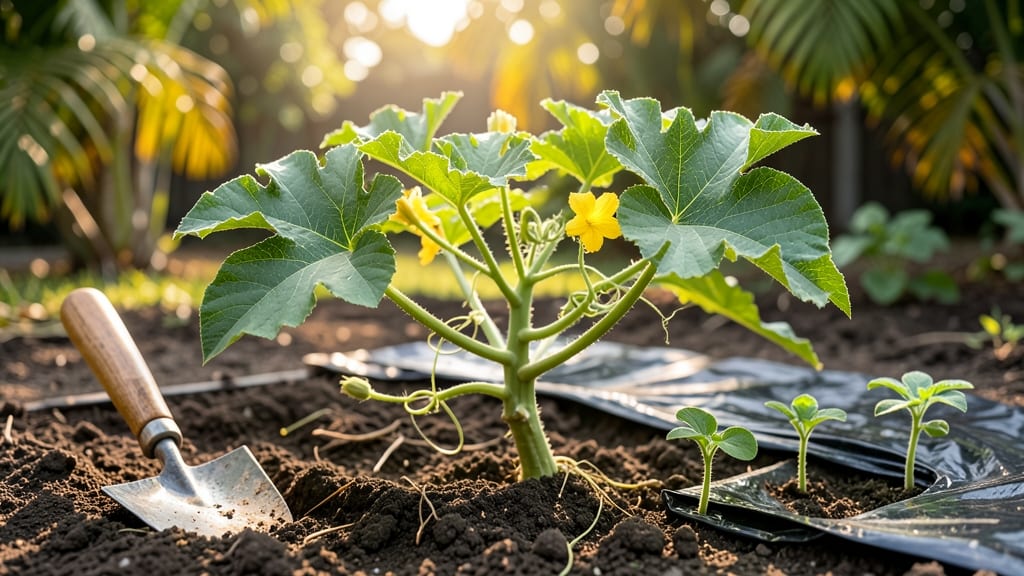
The best time to plant watermelon in Florida isn’t just about avoiding frost—it’s about syncing with the state’s heat zones to unlock sweeter, more abundant harvests. With 270-365 frost-free days across regions like 8a-11, Florida’s long growing season gives watermelons (🍉) two prime windows: spring and fall.
But here’s the catch: planting too early in cooler soil can stall growth, while waiting too late risks heat stress. I’ll break down the exact mid-March to early May and late July to early September windows—plus how to tweak timing for North Florida’s chillier pockets versus South Florida’s year-round warmth.
Whether you’re a first-time gardener or a seasoned grower, nailing these dates means fewer pests, faster vines, and watermelons that burst with flavor. Let’s dive into the heat zone-specific strategies that’ll turn your patch into a zero-frost success story.
You’ll also discover how soil temperature tricks—like black plastic mulch—can shave weeks off your wait time. Ready to grow watermelons that rival the ones at the grocery store? Let’s get started.
Florida heat zone planting calendar: exact dates for watermelon success
Florida’s three distinct heat zones—North, Central, and South—each demand different planting strategies for watermelons. While frost isn’t a major threat in most areas, soil temperature and humidity play critical roles in seed germination and vine development. Let’s break down the optimal planting windows tailored to your region.
In North Florida (USDA Zones 8a-8b), where cooler winters linger, watermelon seeds should hit the ground no earlier than mid-March. This timing aligns with soil temperatures reaching 70°F+, the minimum for germination.
Meanwhile, Central Florida (Zones 9a-9b) gardeners can start as early as late February, while South Florida (Zones 10a-11) enjoys year-round planting opportunities—though peak seasons remain spring and fall.
🌱 Pro Tip: Use a soil thermometer to verify warmth before planting. If temperatures dip below 60°F, seeds may rot in the ground.
| Heat Zone | Planting Window | Soil Temp Requirement | Key Consideration |
|---|---|---|---|
| North FL (Zones 8a-8b) | Mid-March to early May | 70°F+ (use black plastic mulch) | Avoid late April planting—heat stress peaks in June. |
| Central FL (Zones 9a-9b) | Late February to early April | 65°F+ (warmer soil speeds germination) | Humidity spikes in summer—space plants to reduce disease. |
| South FL (Zones 10a-11) | Year-round (peak: March-April, Aug-Sept) | 60°F+ (tropical varieties thrive) | Watch for pest pressure—use row covers if needed. |
For transplanting seedlings, North Florida gardeners should wait until after April 15 to avoid early-season heatwaves that stunt growth.
In Central and South Florida, transplant anytime after soil warms, but aim for late March to early May for spring crops and late July to early September for fall harvests.
🌡️ Heat Zone Alert: South Florida’s summer heat can cause blossom drop—shade cloth (30-50%) helps maintain fruit set during peak temperatures.
If you’re in North Florida, consider black plastic mulch to raise soil temperatures 5-10°F faster than bare ground. This trick lets you plant 2-3 weeks earlier than the calendar suggests. For Central and South Florida, drip irrigation prevents soil-borne diseases that thrive in humid conditions.
📅 Harvest Timing: Spring-planted watermelons in North Florida typically ripen by late June, while fall crops in South Florida may be ready as early as September. Always check for cream-colored stripes on the rind and a dull thump when tapped—these are your readiness cues.
For container growing, use 5-gallon pots and plant in May-June to avoid root-bound stress during Florida’s hottest months. Potted watermelons need daily watering and morning sunlight to prevent wilting.
🌱 Variety Matters: Heat-tolerant varieties like 'Sugar Baby' or 'Crimson Sweet' outperform traditional types in Florida’s climate. Always choose disease-resistant seeds labeled for your zone.
5 Critical factors that determine your watermelon planting timeline
Timing your watermelon planting isn’t just about avoiding Florida’s rare frosts—it’s about syncing with soil warmth, humidity patterns, and pest cycles. These five factors often decide whether your crop thrives or struggles, especially in Florida’s USDA Zones 8a-11.
Let’s break down what truly matters beyond the calendar.
First, soil temperature is non-negotiable. Watermelons need soil that’s at least 70°F to germinate properly. In North Florida, this typically means waiting until mid-April, while South Florida gardeners can start as early as mid-March. Use a soil thermometer—don’t guess! Cold soil delays germination and invites rot.
Next, humidity levels play a sneaky role. Florida’s sticky air helps watermelons early in the season, but excessive humidity during flowering can lead to powdery mildew.
Aim to plant when relative humidity hovers around 60-70%. Check your local weather forecasts for dry spells in May or September—these are ideal planting windows.
Don’t overlook pest activity. Squash vine borers and cucumber beetles peak in late spring and summer. Planting too early (before May 1) risks exposing young seedlings to these pests. Use row covers for the first 3-4 weeks to protect tender plants until they’re established.
Your watermelon variety also dictates timing. Shorter-season varieties like ‘Sugar Baby’ (70 days) can start in late April, while longer-season types like ‘Crimson Sweet’ (90 days) need an early April start in North Florida.
Always check the seed packet for days to maturity and work backward from your first frost date.
Finally, microclimates within Florida create wild variations. Coastal areas stay warmer longer than inland spots. If you’re near the coast, you might push planting to early February, while inland gardeners should wait until mid-April. Observe your garden’s unique conditions for at least two seasons to refine your timing.
By aligning these factors, you’ll turn Florida’s heat into your watermelon’s advantage—not its downfall. The key is patience and preparation. 🌱
- 🌡️ Soil Temperature: Wait for 70°F+ (North FL: mid-April; South FL: mid-March)
- 💧 Humidity: Target 60-70% to avoid mildew; plant during dry spells
- 🐛 Pest Activity: Avoid planting before May 1 to escape squash vine borers
- 🍉 Variety: Shorter-season types (70 days) can start earlier than long-season (90+ days)
- 🌊 Microclimates: Coastal areas can plant 6 weeks earlier than inland gardens
Pro tip: Use black plastic mulch to warm soil faster and extend your planting window by 2-3 weeks. This simple trick lets you start earlier in cooler zones like North Florida without risking cold-soil issues. Just lay it down 2-3 weeks before planting to let it heat up.
Now that you’ve got the timing down, your next move is choosing the right planting method. Direct sowing vs. transplanting each has its perks—we’ll cover that in the next section. For now, mark your calendar and watch for those 70°F soil temps! ☀️