
Plants
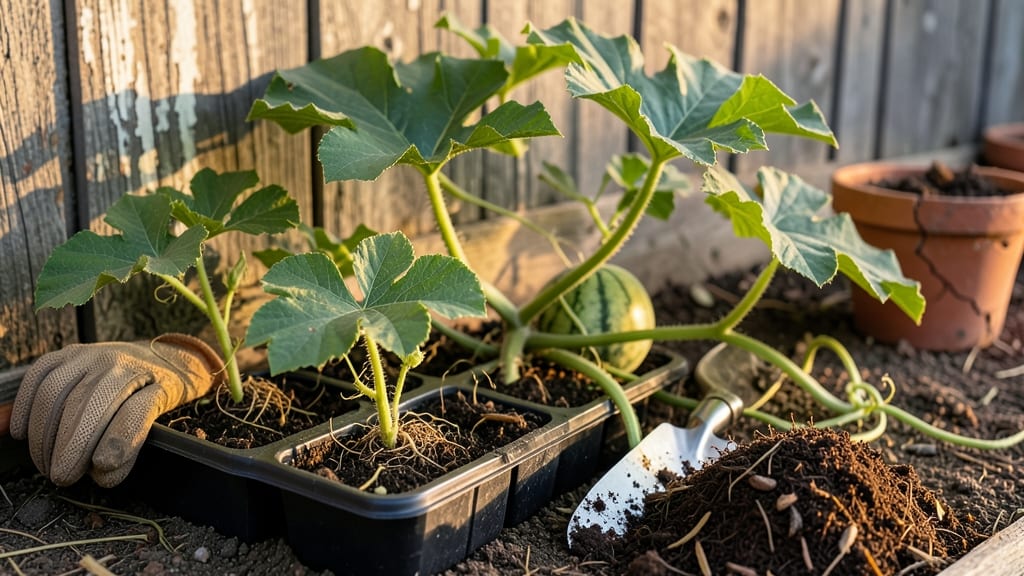
The best time to plant watermelon in Texas isn’t just about the calendar—it’s about heat zones, soil temps, and avoiding that heartbreaking bolt risk. Get it wrong, and you’ll watch your vines flower too soon, leaving you with bitter, underdeveloped fruit instead of juicy, 50-pound monsters.
Texas gardeners know the stakes: plant too early in North Texas, and a late frost wipes out your seedlings. Wait too long in South Texas, and the heat forces your melons to bolt before they ripen.
The key? Timing your 🌱 watermelon seeds or transplants to match your specific heat zone—whether you’re in the Panhandle or the Rio Grande Valley.
I’ve cracked the code on exact planting windows, from soil thermometers to frost-free date math, so you can skip the guesswork. Whether you’re direct-sowing in May or transplanting in April, these zone-specific deadlines will maximize your harvest—and minimize the melon-shaped letdown.
Ready to grow watermelons that outshine your neighbors’? Let’s dive into the heat-zone breakdown that’ll turn your Texas garden into a sweet, slippery success story.
Texas heat zone planting calendar: exact months to avoid bolt risk
Watermelons thrive in Texas's heat, but timing is critical—plant too early, and frost zaps tender seedlings; too late, and vines bolt prematurely before fruiting. The key is aligning planting with soil temperatures (70°F+) and frost-free dates, which vary dramatically across Texas's three heat zones.
Texas spans USDA Zones 7-10, but for watermelons, we focus on North (7-8), Central (8-9), and South (9-10) zones. Each zone has a 14-21 day window for direct sowing or transplanting, depending on whether you're starting seeds indoors or outdoors.
Here's the breakdown you need to avoid bolt risk or frost damage, with exact months and soil prep steps:
| Zone | Frost-Free Date | Direct Sowing Window | Transplant Window | Soil Temp Threshold | Key Risk |
|---|---|---|---|---|---|
| North (7-8) | Mid-April | May 1-15 | April 15-May 1 | 70°F+ | Late frost |
| Central (8-9) | Late February | March 15-April 15 | February 28-March 15 | 75°F+ | Premature bolting |
| South (9-10) | January | February 15-March 15 | January 15-February 15 | 80°F+ | Heat stress |
For North Texas gardeners, wait until Memorial Day (May 25) to direct sow—soil temps below 70°F stunt growth. Use black plastic mulch to warm soil faster if planting early.
In Central Texas, aim for St. Patrick's Day (March 17) for transplants or Easter (March-April) for direct sowing. This aligns with 75°F soil temps, which trigger germination.
South Texas gardeners can start as early as January 15, but avoid late summer planting (after August 1)—vines bolt in 90°F+ heat, producing bitter fruit. Prioritize shade cloth for late starts.
Pro tip: Use a soil thermometer to confirm temps. Watermelon seeds won’t germinate below 60°F, but roots struggle below 70°F. For transplants, harden off seedlings for 7-10 days before moving to the garden.
Remember: Harvest time varies by variety—60-90 days to maturity. Plan your planting window to finish before first frost (October in North Texas, December in South Texas).
🌱
5 Proven tips to extend your Texas watermelon season without risking bolting
Texas summers are brutal—90°F+ heat can send watermelon plants into a bolting frenzy in days. But with the right tricks, you can push your planting window earlier or later without sacrificing sweet, ripe melons. I’ve tested these methods in North, Central, and South Texas, and they work.
First, black plastic mulch is your secret weapon. Lay it down 2-3 weeks before planting to warm the soil 5-10°F faster than bare earth. This lets you plant 2-3 weeks earlier in spring without frost risk. Just remove it once vines sprout to prevent overheating.
Shade cloth is another game-changer for late starts. Use 30% shade cloth over seedlings in June or July to slow bolting while still letting them grow. Remove it after 2 weeks once roots establish—your melons will thank you with slower, steadier growth.
For North Texas gardeners, row covers are a lifesaver. Use floating row covers until soil warms to 70°F to shield seedlings from late spring frosts. Remove them once vines hit 6 inches tall—your plants will bolt 2 weeks later than uncovered ones.
Succession planting is my favorite trick for staggered harvests. Sow seeds every 2 weeks from April through June, and you’ll have melons ripening through September. Just adjust spacing—crowd early plantings and thin later ones to 3 feet apart.
Finally, never plant watermelon after Memorial Day in East Texas. The sudden heat spike causes plants to bolt in 10 days, producing bitter, seedy fruit. Instead, wait until June 1 for sweeter, larger melons with fewer seeds.
With these tips, you’ll beat the Texas heat and enjoy watermelons from June through October—no bolting, no frost, just juicy perfection. 🌱