
Plants
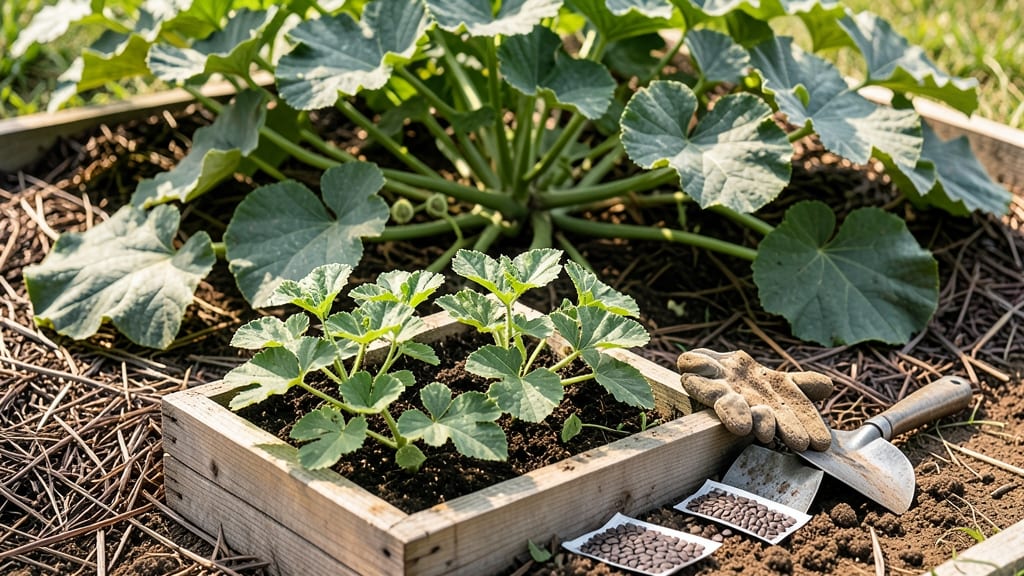
Planting watermelon seeds in California at the wrong time could mean the difference between juicy, vine-ripened 🍉 and bitter disappointment. Unlike other crops, watermelons demand precise timing—soil temperatures below 60°F stall germination, while coastal fog or desert heat can throw off your 90-day harvest window if you’re not careful.
Here’s the truth: California’s microclimates—from the cool coastal fog of San Diego to the scorching inland valleys—mean there’s no one-size-fits-all answer. In Zone 9b-10a, you can plant year-round in frost-free areas, but the key is waiting until the soil warms up.
That’s why I’ll break down the exact windows for your region, including how to adjust for coastal delays or desert heat spikes.
Whether you’re a first-time gardener or a seasoned grower, getting this right saves you from stunted vines or melons that never ripen. I’ll walk you through soil prep, pre-sprouting tips, and spacing tricks to maximize your yield—plus the 5 biggest mistakes that ruin watermelon planting in CA.
Let’s dive into the perfect planting schedule so you can enjoy homegrown watermelons from July to October (or year-round if you’re in a frost-free zone). Ready to grow like a pro?
California’s exact watermelon planting dates by microclimate Zone
Watermelon seeds in California need precise timing—plant too early and cool soil stalls germination, too late and your 90-day harvest gets cut short. The key? Soil temperature must hit 70°F+ for seeds to sprout reliably.
Coastal areas like San Francisco can start in mid-March, while desert regions like Palm Springs wait until mid-April.
California’s USDA Zones 9b-10a mean frost isn’t the main concern, but heat tolerance is. Watermelons thrive in 85-95°F days, so aim for planting when daytime highs consistently stay above 75°F. Use a soil thermometer—this tool is your best friend for nailing the perfect window.
Here’s how to break it down by region:
| Microclimate Zone | Optimal Planting Window | Soil Temp Threshold | Key Varieties |
|---|---|---|---|
| Coastal (SF, LA) | Mid-March to early April | 65°F+ (warmer microclimates) | ‘Sugar Baby’, ‘Crimson Sweet’ |
| Central Valley (Sacramento, Fresno) | Late March to mid-April | 70°F+ (standard) | ‘Charleston Gray’, ‘Black Diamond’ |
| Desert (Palm Springs, Yuma) | Mid-April to early May | 75°F+ (heat-tolerant) | ‘Crimson Sweet’, ‘Moon and Stars’ |
| High Desert (Reno, Mammoth) | Late April to May | 70°F+ (shorter season) | ‘Sugar Baby’ (fast-maturing) |
Pro tip: If you’re in a coastal fog belt like Monterey, wait until April 1st—early plantings often rot in damp soil. For inland areas, black plastic mulch can warm soil by 5-10°F, letting you plant 2-3 weeks earlier.
Remember, watermelons need 90 days to harvest, so calculate backward from your first frost date (or heatwave end). In Zone 10a, you can even plant year-round, but summer’s 100°F+ days can stress vines—opt for shade cloth if needed.
For container gardening, start seeds indoors 4-6 weeks before your region’s last frost date. Use biodegradable pots to avoid transplant shock when moving to full sun outdoors.
Watch for heat spikes—if temps hit 95°F+ for weeks, watermelons may abort flowers. Mulch with straw or black plastic to stabilize soil temps and retain moisture.
Finally, test your soil—watermelons prefer pH 6.0-6.8. Sandy soils in Southern CA dry out fast, so amend with compost and use drip irrigation to keep roots happy.
🌱
How to adjust planting timing for 90-Day harvests in CA’s short seasons
California’s short growing seasons—especially in coastal and high-elevation areas—can make 90-day watermelon harvests a challenge. The key is adjusting your planting window to match your microclimate’s last frost date and heat tolerance thresholds. Most watermelon varieties need 70°F+ soil temperatures to germinate, so timing is everything.
For example, in coastal CA (San Francisco, Santa Barbara), where summers are mild, you’ll need to start seeds indoors by late February and transplant after May 15.
Inland areas like Sacramento or Fresno have longer heat waves, so you can direct-sow seeds as early as mid-March—just ensure soil stays above 60°F. Desert regions like Palm Springs? Plant seeds year-round, but prioritize late winter (Jan-Feb) for spring harvests.
🌱 5 Proven Strategies for 90-Day Harvests
- 📅 Succession Planting: Sow seeds every 2 weeks (March-June) for staggered harvests. Example: First batch in late March (harvest July), second in mid-April (harvest August).
- 🔥 Black Plastic Mulch: Lay down mulch 2 weeks before planting to warm soil faster. This shaves 7-10 days off germination time in cool zones like Sonoma or Monterey.
- 🌡️ Cold Frame Trick: Use a cold frame to start seeds 4-6 weeks earlier in spring. Remove the frame once soil hits 60°F and seedlings have 2 true leaves.
- 🌿 Heat-Tolerant Varieties: Choose fast-maturing types like ‘Sugar Baby’ (70 days) or ‘Crimson Sweet’ (80 days). Avoid long-season varieties (e.g., ‘Moon and Stars’) in short seasons.
- 🌱 Transplant Shock Fix: Harden off seedlings for 7-10 days before transplanting. Acclimate them to outdoor temps by placing them in partial shade during the day and bringing them in at night.
Another game-changer? Adjusting row orientation. In coastal areas, plant watermelon rows north-south to maximize sunlight exposure. In desert regions, orient them east-west to reduce afternoon heat stress on vines. Pair this with drip irrigation to keep soil moisture consistent—watermelons wilt fast in 90°F+ heat if roots dry out.
Pro tip: Track your local growing degree days (GDD) using tools like the UC Master Gardener Program’s heat unit calculator. Watermelons need 1,200–1,500 GDDs to mature.
For example, Los Angeles (Zone 10a) hits this by mid-July, while Redding (Zone 9b) may need a second planting in late May to avoid autumn chill.
If you’re in a high-desert area (e.g., Death Valley region), plant seeds in late winter (Jan-Feb) and use shade cloth (30%) during peak summer (July-August) to prevent sunscald on fruit.
Monitor soil temps with a cheap dial thermometer—if it drops below 55°F at night, cover seedlings with row fabric to protect them.
Remember: Ripening watermelons need heat. If your summer cools below 80°F, your melons may never sweeten. In coastal fog zones, consider container growing near a sunny wall to trap heat.
With the right adjustments, you’ll turn California’s tricky seasons into a watermelon goldmine—just don’t rush the timing! 🍉