
Trees
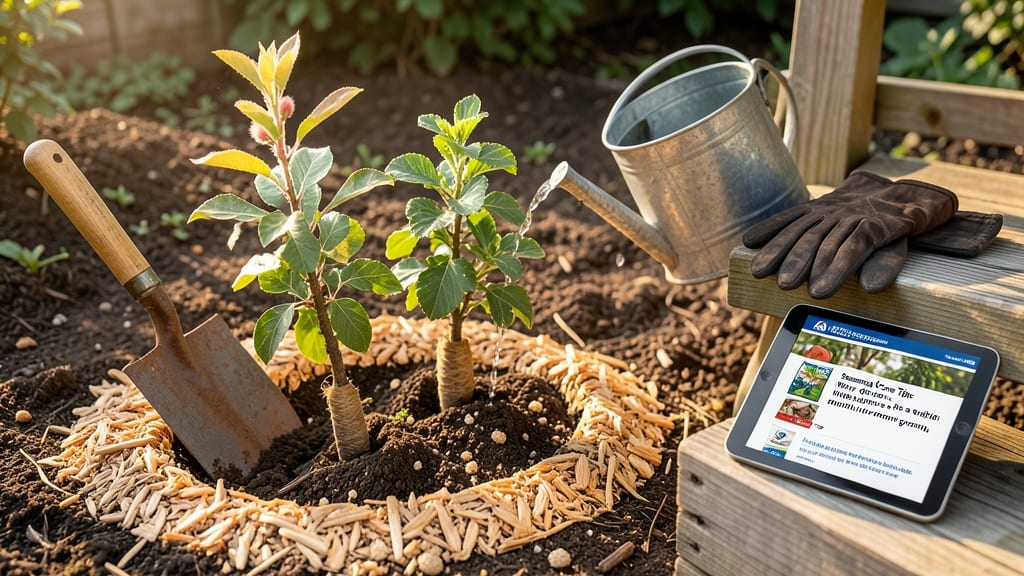
Planting a 🍎 fruit tree in Texas at the wrong time could mean watching your hard work wither before it even takes root.
The state’s brutal summers and unpredictable freezes make timing everything—so if you’re dreaming of homegrown peaches or citrus, you’ll want to plant when the odds are in your favor.
Most Texas gardeners swear by late winter to early spring (February–March) or fall (October–November) as the sweet spot for planting. But here’s the catch: your USDA Zone (8a–10b) and the type of fruit tree you choose can shift that window by weeks.
A peach tree in North Texas needs different care than a citrus tree in South Texas, and skipping soil prep or ignoring frost dates could turn your orchard into a science experiment gone wrong.
In this guide, I’ll break down the exact months to plant based on your hardiness zone, plus the critical steps to set your fruit tree up for success—from soil testing to rootstock selection.
Whether you’re a first-time gardener or a seasoned grower, these tips will help you avoid common pitfalls and give your trees the best shot at thriving.
Ready to turn your backyard into a bountiful orchard? Let’s dig into the best times to plant—and how to make sure your fruit trees grow strong for years to come.
Texas fruit tree planting calendar by hardiness zones (Zone 8a–10b)
Texas spans USDA hardiness zones 8a through 10b, meaning frost dates and soil temperatures vary dramatically from the Panhandle to South Texas. Planting at the wrong time—like during a 100°F heatwave or before the last frost—can shock your fruit tree’s roots.
The best windows are late winter/early spring (February–March) or fall (October–November), when soil is cool but not frozen and rainfall is more reliable.
For North Texas (Zone 8a–8b), aim for February 15–March 15 to avoid late frosts that can damage tender new growth.
In Central Texas (Zone 8b–9a), January 15–February 15 is ideal, while South Texas (Zone 9b–10b) gardeners can plant year-round, with October–December being the sweet spot to establish roots before summer’s brutal heat.
🌱
| Zone | Best Planting Months | Soil Temp | Key Considerations |
|---|---|---|---|
| 8a–8b (North TX) | Feb 15–Mar 15 | 50–60°F | Avoid late frosts; peaches/plums thrive here. |
| 8b–9a (Central TX) | Jan 15–Feb 15 | 55–65°F | Citrus and figs do well; watch for unpredictable freezes. |
| 9b–10b (South TX) | Oct–Dec (year-round) | 60–75°F | Mangoes, avocados, and tropicals flourish; avoid summer planting. |
Each fruit tree variety has its own preferences. Peaches and plums need chilling hours (300–600 hours below 45°F), so they’re best planted in North and Central Texas. Citrus and figs, however, thrive in South Texas’ warmth and can handle minimal chilling.
Always check the specific variety’s requirements—for example, ‘Halford’ peaches need more chill hours than ‘Sanguinelli’ plums.
Fall planting (October–November) gives roots time to establish before summer’s heat stress. The soil should be 60–70°F, and you’ll want to water deeply every 7–10 days until roots spread.
In spring, plant as soon as the soil is workable (usually February–March), but avoid planting when drought warnings are active—Texas’ erratic rainfall can leave young trees thirsty.
🌿
Pro tip: Use a soil thermometer to check depth (4–6 inches). If temps are below 50°F, wait—cold soil can stunt root growth. For container-grown trees, you can plant almost year-round in South Texas, but bare-root trees must go in during their dormant season (late winter).
🪴
Don’t overlook microclimates. A spot near a stone wall or building might stay 10°F warmer than your yard’s average, extending your planting window. Similarly, low-lying areas can trap frost, delaying spring planting. Observe your space for 3–5 years to spot patterns—this is how experienced Texas gardeners adjust their schedules.
💧
Finally, irrigation setup matters. Drip lines installed before planting ensure consistent moisture without wasting water. In Zone 10b, you might need to shade young trees during the hottest months (June–August) to prevent sunburn.
Plan ahead: mulch heavily (3–4 inches of wood chips) to retain moisture and regulate soil temperature.
☀️
Critical factors that determine your planting success (beyond the calendar)
Texas’ unpredictable climate means timing isn’t the only factor—your soil moisture, rootstock type, and even microclimates can make or break your fruit tree’s survival. For example, North Texas (Zone 8a) needs early planting to avoid late frosts, while South Texas (Zone 10a) can plant almost year-round.
Let’s break down what truly matters beyond the calendar.
First, soil temperature is critical. Most fruit trees thrive when soil temps reach 50-60°F. In Texas, this typically happens in late February to early March for spring planting. Use a soil thermometer to confirm—planting too early in cold soil can stunt root growth.
For fall planting, aim for 60 days before first frost to let roots establish before winter.
Your rootstock choice also dictates timing. Dwarf rootstocks (like those for peaches) need cooler soil to prevent root burn, while standard varieties (like pecans) tolerate warmer conditions. Always check the rootstock’s hardiness zone—some, like Citrus rootstocks, are only suitable for Zone 9b and above.
Don’t overlook microclimates. A sheltered spot near a building or fence can add 5-10°F of warmth, extending your planting window. For instance, East Texas (Zone 8a) might see warmer microclimates in valleys, allowing earlier planting than flatlands.
Observe your yard’s sun exposure and wind patterns—trees in windy areas need extra protection during transplant shock.
🌱 5 Critical Pre-Planting Checks for Texas Fruit Trees
- ✅ Soil Test: pH 6.0-7.0 for most fruit trees (citrus needs 6.0-6.5).
- ✅ Soil Temp: 50-60°F for root growth (use a thermometer!).
- ✅ Rootstock Match: Verify compatibility with your USDA Zone and fruit type.
- ✅ Frost Dates: Check last frost (e.g., Feb 15 in North Texas).
- ✅ Water Source: Ensure drip irrigation or deep watering access.
💧 Pro Tip: Mulch with 3-4 inches of wood chips to retain moisture and regulate soil temp.
One of the biggest mistakes Texas gardeners make is ignoring transplant shock. Young trees stressed by heat or drought after planting can die within weeks. Always water deeply before planting and stake trees in windy areas.
For bare-root trees, soak roots in water for 1-2 hours before planting to revive them.
Finally, fertilizer timing matters just as much as planting time. Avoid heavy feeding in the first 6-8 weeks after planting—let roots establish first. Instead, use a balanced 6-10-4 NPK fertilizer in early spring (February-March) and fall (October). Over-fertilizing can burn roots in Texas’ intense heat.
By focusing on these critical factors, you’ll give your fruit trees the best shot at thriving in Texas’ challenging climate. Whether you’re planting peaches in Amarillo or citrus in Corpus Christi, these steps will help you avoid common pitfalls and enjoy a bountiful harvest. 🍑🌿