
Planting
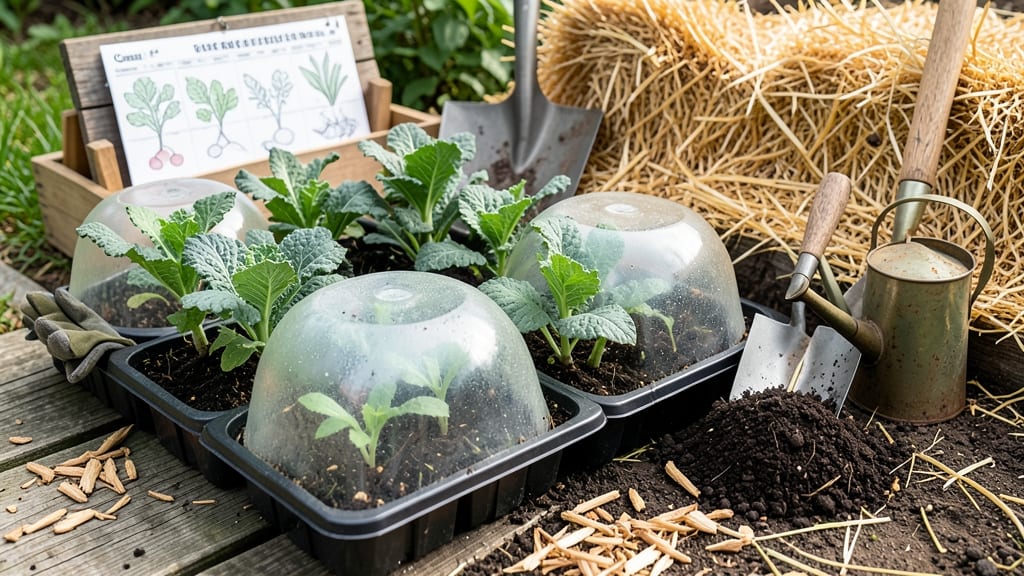
If you’ve ever stared at your wilting summer garden and wondered "when to plant fall garden in South Texas", you’re not alone—timing is everything here.
The heat lingers longer than most places, and missing the 6-8 week window before frost can mean the difference between a bountiful harvest and a sad pile of seeds.
South Texas’s 9a-10a climate gives us a unique advantage: we can grow 🥬 fall garden vegetables almost year-round, but the key is acting fast. Mid-August to early October is your sweet spot, when temperatures dip just enough for cool-season crops to thrive without the scorching summer sun.
I’ve planted through these windows myself, and the secret isn’t just the dates—it’s knowing which crops to prioritize first. Radishes and lettuce bolt in the heat, but kale and carrots? They’ll reward you with crisp harvests well into December if you time it right.
Let’s break down the exact steps to beat the frost, from soil prep to the last-minute crops that’ll keep your table stocked. Ready to turn those late-summer days into a fall harvest goldmine?
South Texas fall planting deadlines by heat zone 9b month: exact dates for zero-frost success
South Texas’s Heat Zone 9b means you’ve got a narrow window to plant your fall garden before the first frost arrives around December 1. Missing these deadlines could leave you with bolting greens or stunted crops.
The key is planting 6-8 weeks before frost—typically between mid-August and early October—when daytime temps start dropping below 90°F.
Your first step is to prepare soil in August—amend with compost and mulch to retain moisture. Then, plant heat-tolerant seedlings like kale and collards in late August, followed by cooler crops like broccoli and carrots in September.
The last safe planting window closes around October 15, after which even cold-hardy crops may struggle to mature before frost.
Here’s your month-by-month breakdown of what to plant and when to avoid frost-related failures:
| Month | Planting Window | Best Crops to Plant | Avoid Planting | Frost Risk |
|---|---|---|---|---|
| Mid-August | Prepare soil; sow heat-tolerant seeds | Okra, sweet potatoes, malabar spinach | Lettuce, peas, cabbage | Low (90°F+ days) |
| Late August | Transplant seedlings; direct sow | Kale, collards, Swiss chard, turnips | Tomatoes, peppers, cucumbers | Moderate (first 50°F nights) |
| September | Peak planting; succession sow | Broccoli, carrots, radishes, green onions | Beans, squash, corn | Low to Moderate |
| Early October | Last chance for fast growers | Spinach, arugula, mustard greens | Slow-maturing crops (e.g., cabbage) | High (first frost risk) |
| Mid-October | Cover crops only | Clover, winter rye, vetch | Vegetable crops | Very High |
In September, focus on fast-maturing crops like radishes (25 days) and green onions (50 days). These can be sown every 2 weeks for continuous harvests. For broccoli and cabbage, plant by September 15 to ensure heads form before frost.
If you’re late planting, opt for microgreens or baby greens, which mature in 3-4 weeks.
Pro tip: Use a frost watch calendar from your local AgriLife Extension office—South Texas’s frost dates can vary by 1-2 weeks depending on elevation. For example, Brownsville rarely sees frost, while San Antonio may experience light freezes by mid-December. Adjust your planting timeline accordingly.
For herbs like cilantro and dill, plant in late September—they’ll bolt if sown too early. Meanwhile, cover crops like winter rye should be seeded by October 1 to protect soil and suppress weeds over winter. These crops also improve soil structure for your next spring garden.
If you’re new to fall gardening in South Texas, start small with easy-to-grow crops like lettuce and radishes. These forgive late plantings and give you confidence before tackling longer-season crops like Brussels sprouts. Remember: soil temperature matters—wait until it drops below 85°F before sowing cool-season seeds.
Finally, mark your calendar for October 15 as your last planting deadline. After that, even cold-hardy crops may not have time to mature before frost.
Use row covers or cold frames to extend the season for late plantings, but don’t rely on them for crops sown after October 30.
🌱
Top 5 fast-growing fall crops for South Texas: what to plant when you’re racing the frost
South Texas’s fall planting window is short but sweet—just 6-8 weeks before the first frost (usually early December). To maximize your harvest, focus on fast-growing crops that thrive in cool temperatures but won’t bolt in the heat.
These five powerhouse plants deliver quick rewards and cold tolerance, making them perfect for your fall garden calendar.
First up: radishes. These 20-day wonders can be sown as late as mid-October in South Texas and still produce crisp, peppery roots before frost. Choose quick-fire varieties like 'Cherry Belle' or 'French Breakfast' for reliable harvests.
Their speed makes them ideal for succession planting—sow a new batch every 2 weeks until late September for a continuous supply.
Leafy greens like kale and spinach are frost-hardy and actually sweeten up after a light freeze. Lacinato kale (aka dinosaur kale) matures in 50-60 days and handles South Texas’s mild winters like a champ. Start seeds late August to early September for a fall harvest, or transplant 6-week-old seedlings in September for a head start. Bonus: Their rugged leaves resist pests better than lettuce in fall.
🌱 Top 5 Fast-Growing Fall Crops for South Texas
- 1. Radishes – 20-30 days to harvest; sow late August–mid-October. 💡 Pro Tip: Thin seedlings to 2 inches apart to prevent crowding.
- 2. Kale – 50-60 days; plant August–September. 💡 Pro Tip: Harvest outer leaves first to encourage regrowth.
- 3. Turnips – 30-50 days for greens, 60 days for roots; sow late August–early October. 💡 Pro Tip: Use loose, well-draining soil to prevent forking.
- 4. Green Onions – 45-60 days; transplant September–early October. 💡 Pro Tip: Harvest scallions by cutting 2 inches above soil for regrowth.
- 5. Arugula – 30-40 days; sow September–October. 💡 Pro Tip: Grows best in partial shade to avoid bolting in mild winters.
🌡️ Temperature Sweet Spot: Aim for 60–75°F daytime temps for optimal growth.
Don’t overlook turnips, which double as root and greens in one package. Varieties like 'Purple Top White Globe' mature in 60 days and handle South Texas’s cool nights beautifully. Plant seeds late August to early October, spacing them 2 inches apart in rows 12 inches apart.
For extra insurance against frost, cover seedlings with lightweight row fabric if temps dip below 50°F at night.
Green onions (or scallions) are another low-maintenance winner for fall. They tolerate light frosts and regrow after cutting, giving you multiple harvests from a single planting. Transplant 6-inch seedlings in September or direct-sow seeds in October for a late-season crop. Their shallow roots make them perfect for container gardening if space is limited.
Finally, arugula is a peppery, fast-growing green that thrives in South Texas’s mild fall weather. It bolts quickly in heat, so wait until September to sow seeds. Varieties like 'Astro' or 'Sylvetta' mature in 30-40 days and add a spicy kick to salads.
For best results, grow in partial shade to prevent bolting, and harvest leaves outer to inner to prolong the harvest.